Apple’s iPhone Fold: Navigating the Challenges of Crease-Free Display Technology
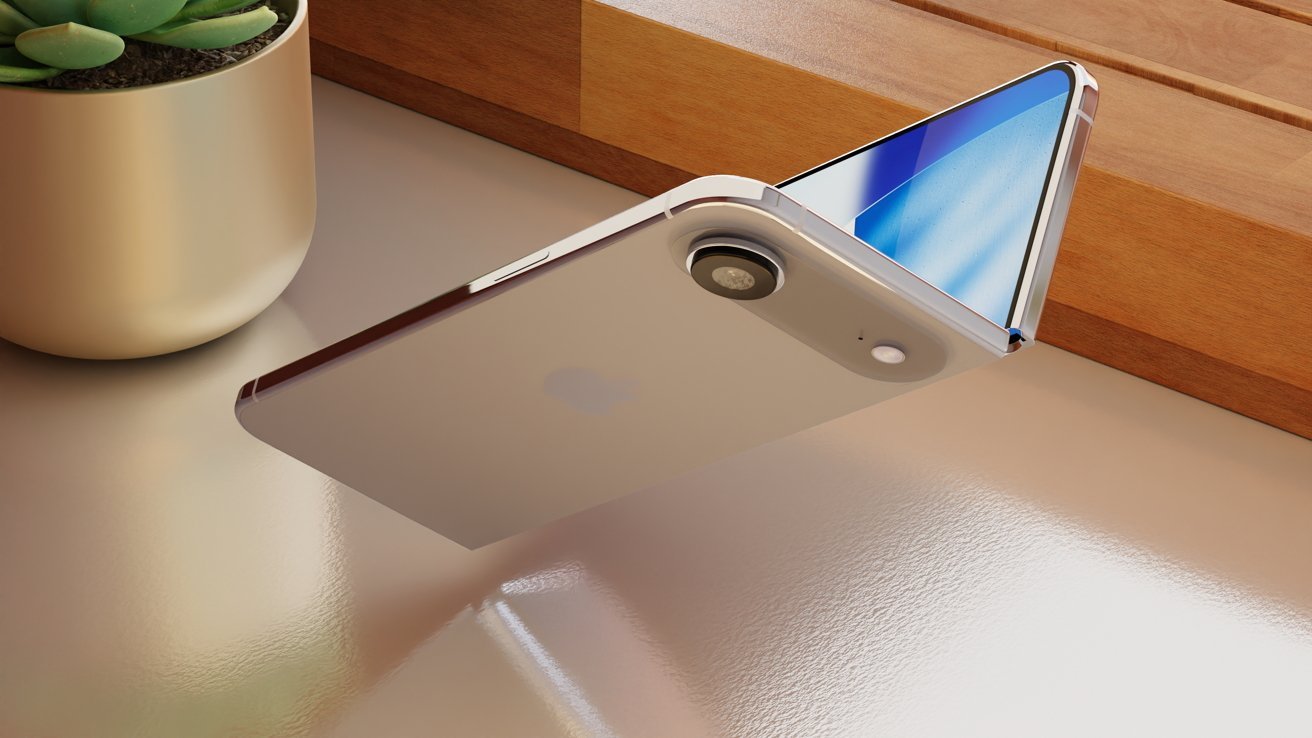
Apple’s anticipated iPhone Fold, slated for a fall release, is encountering significant hurdles in perfecting its crease-free display technology. The primary challenge lies in developing an internal screen that maintains a smooth, unblemished surface over prolonged use. Recent insights from Weibo leaker Digital Chat Station suggest that Apple is experimenting with ultra-thin flexible glass (UFG) to achieve this goal. UFG employs materials of varying thicknesses to facilitate bending without compromising the display’s integrity. However, the leaker indicates that Apple is still grappling with technical challenges in this area, though specific details remain undisclosed.
The urgency is heightened by the looming fall release deadline. If these display issues persist, Apple may face a dilemma: delay the iPhone Fold’s launch to allow for further refinement or proceed with a limited initial release, expanding availability as production issues are resolved.
Historical Context and Supplier Collaboration
Apple’s journey toward a foldable iPhone has been marked by extensive research and collaboration. In 2022, reports emerged that Apple was working with both LG and Samsung to develop hybrid OLED panels aimed at minimizing screen creases. These panels combine glass and plastic substrates to enhance flexibility and durability. By 2025, it was reported that Apple had made significant strides in reducing screen creasing, with some sources claiming the issue had been nearly eliminated. Despite these advancements, the recent revelations suggest that challenges remain.
Innovative Materials and Design Considerations
To address the durability and aesthetic concerns associated with foldable displays, Apple has explored various materials and design innovations. One notable approach involves the use of liquid metal for the hinge components. Liquid metal, known for its strength and resistance to deformation, could provide a more robust hinge mechanism, potentially reducing stress on the display during folding and unfolding. Analyst Ming-Chi Kuo has indicated that Apple plans to use liquid metal materials for key component bearings (hinges) to improve durability and achieve a crease-free screen.
Additionally, there have been discussions about the iPhone Fold featuring a wrap-around design, where the display extends around the exterior of the device when folded. This design could mitigate crease formation by distributing the bending stress over a larger area, though it introduces new challenges related to screen protection and durability.
Production Timelines and Market Implications
The development timeline for the iPhone Fold is critical. Reports suggest that Apple has entered the prototyping phase, with mass production anticipated to begin in the summer of 2026. This schedule aligns with the expected launch alongside the iPhone 18 series. However, the unresolved display issues could disrupt this timeline. Apple’s product development process is meticulous, often involving multiple stages of prototyping and testing to ensure quality and reliability. Any significant delays in resolving these technical challenges could push back the release date, impacting Apple’s competitive position in the foldable smartphone market.
Conclusion
Apple’s pursuit of a foldable iPhone underscores its commitment to innovation and design excellence. While significant progress has been made, the recent reports highlight the complexities involved in developing a durable, crease-free foldable display. As the anticipated launch approaches, the tech community and consumers alike are keenly watching how Apple navigates these challenges to deliver a product that meets its high standards.