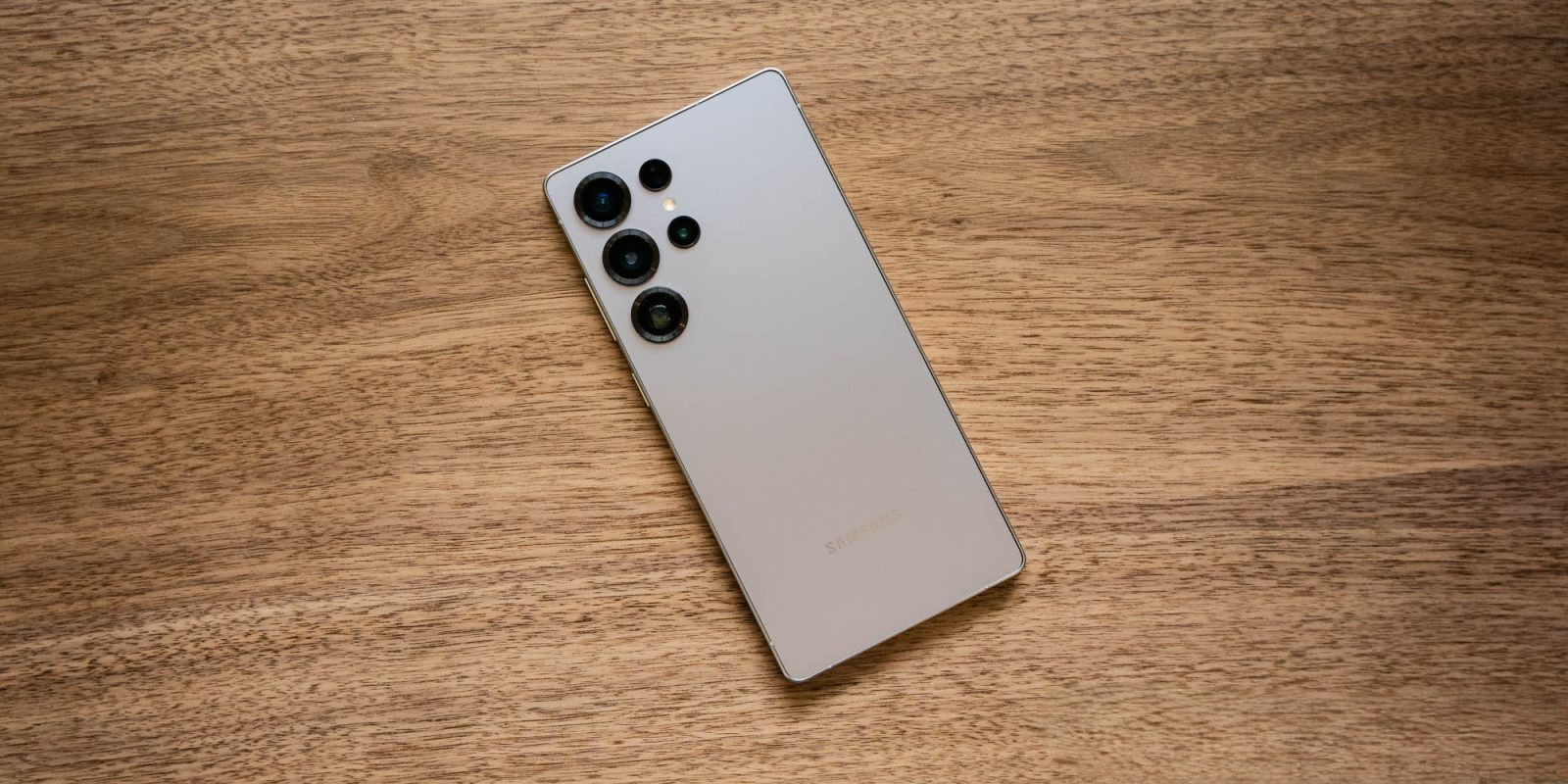
Samsung’s Innovative Camera Sensor Aims to Eliminate Motion Blur in Future Smartphones
Samsung is at the forefront of developing a groundbreaking camera sensor designed to address the persistent issue of motion blur in smartphone photography. This advancement could significantly enhance the image quality of future Galaxy S-series devices.
Understanding the Challenge: Rolling Shutter and Motion Blur
Traditional smartphone cameras predominantly utilize a rolling shutter mechanism. In this system, the sensor captures the image sequentially, line by line. While effective, this method can introduce distortions, especially when photographing fast-moving subjects or during rapid camera movements. The result is often unwanted motion blur, compromising the clarity of the captured image.
Introducing the Global Shutter Solution
To combat these challenges, Samsung is pioneering a global shutter-level image sensor. Unlike the rolling shutter, a global shutter captures the entire image simultaneously, ensuring that all pixels record data at the exact same moment. This approach effectively eliminates the distortions associated with rolling shutters, offering clearer and more accurate images.
Technical Innovations and Overcoming Limitations
Implementing a global shutter in smartphones presents technical hurdles, primarily due to the substantial data processing required when all pixels capture information simultaneously. This can lead to increased sensor size and potential processing delays.
Samsung’s innovative solution involves integrating an analog-to-digital converter directly within each pixel. This design allows each pixel to process its data independently. To maintain a compact sensor size suitable for smartphones, Samsung employs a 2×2 bundle strategy. In this configuration, four pixels share one converter, effectively managing data processing without enlarging the sensor.
Addressing Potential Image Distortions
Despite these advancements, the 2×2 bundling approach may introduce slight image distortions, as each bundle operates similarly to a mini rolling shutter. To mitigate this, Samsung has developed sophisticated camera algorithms that apply motion compensation, ensuring the final image remains clear and distortion-free.
Implications for Future Samsung Devices
The integration of this global shutter technology could mark a significant leap in Samsung’s smartphone photography capabilities. By effectively addressing motion blur, future Galaxy S-series devices may offer unparalleled image clarity, even in dynamic shooting scenarios.
Industry Interest and Future Prospects
The potential of global shutter technology has garnered attention beyond Samsung. Reports suggest that other industry leaders, including Apple, are exploring similar advancements. While the exact timeline for the commercial release of Samsung’s new sensor remains uncertain, its development signifies a promising direction for the future of smartphone photography.
Conclusion
Samsung’s development of a global shutter-level image sensor represents a pivotal advancement in addressing motion blur in smartphone photography. By combining innovative pixel structures with advanced algorithms, Samsung aims to deliver clearer, more accurate images, enhancing the user experience in future Galaxy devices.