Binance recently revealed how hackers pulled off the record-breaking $6.3 billion heist, tracing its origin to a Mac targeted via a fraudulent Homebrew installer. Though the exchange has reclaimed nearly $3 billion of the stolen funds, the scale of the breach marks it as the biggest financial cyberattack in history.
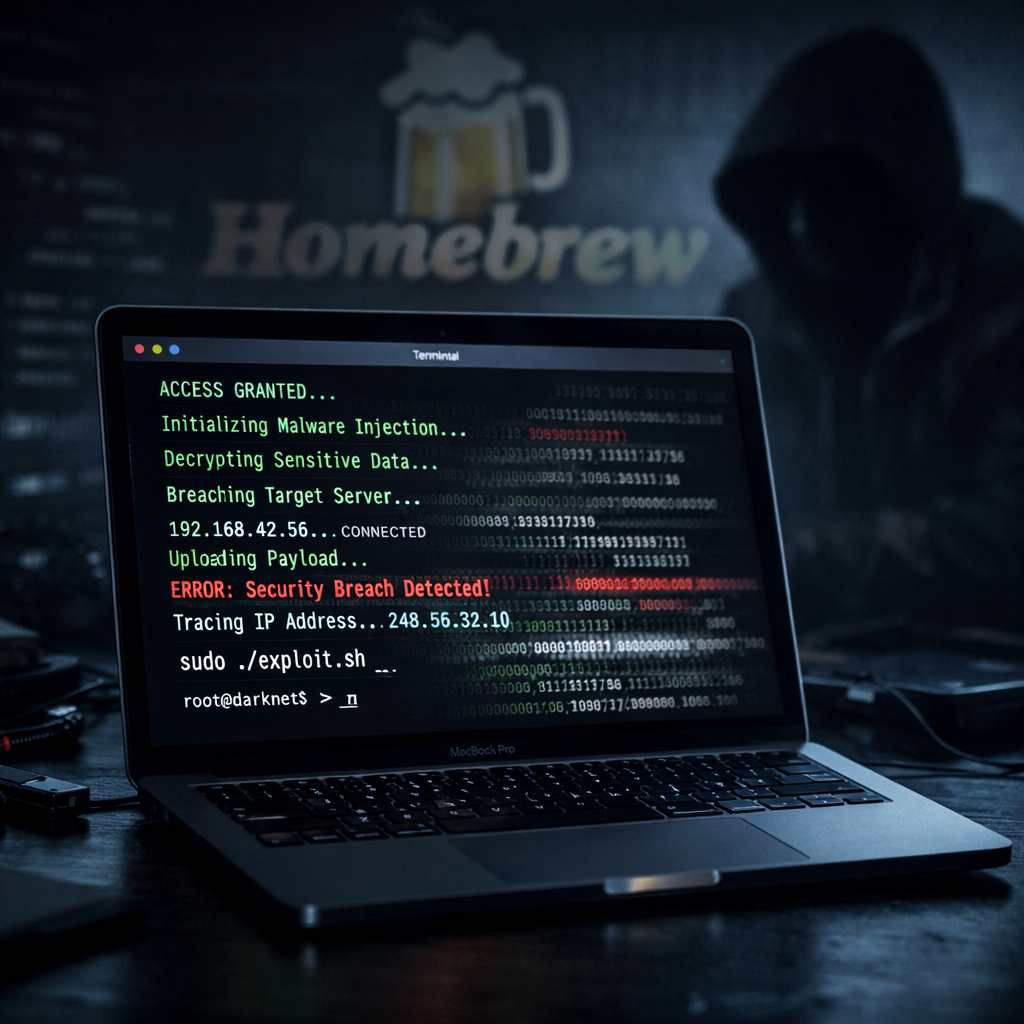
Binance’s internal investigation shows the chain of events began in June, when a DevOps engineer searching for an AI coding tool downloaded a malicious clone of Homebrew—not from the official site, but through a search engine result. This fake installer allowed the attackers to map out which Binance employees were directly involved with wallet infrastructure.
The exploitation escalated in September. A different wallet engineer was lured into what appeared to be a legitimate job interview. As part of the process, they were asked to complete a coding assignment on their work machine—an assignment that turned out to be the pivot for the attack. This step wasn’t caught by Binance’s protective systems, and by late October, the exploit was unleashed.
Why the Attack Leveraged a Mac
The malware targeted “/opt/homebrew,” the default path for Homebrew on Apple silicon Macs, strongly indicating the use of an M-series MacBook. While the report never names “Mac” explicitly, that directory is exclusive to Apple silicon devices running the Homebrew package manager.
These tactics—fake installs through search results and social engineering via bogus job interviews—are far from new in the cyberthreat landscape. Binance didn’t confirm whether the cloned installer appeared as a paid ad, though previous fake Homebrew ads have been observed promoting malicious tools like Atomic Stealer.
Mac’s Responsibility—and Limitations
This breach spotlights both the strengths and gaps in Apple’s security environment. New features like Terminal paste warnings, rolled out in macOS 26.4, aim to catch dangerous command line activity—yet they may offer little resistance when someone is convinced they’re completing a legitimate task like a job test.
Apple system safeguards generally assume informed user consent. However, social engineering attacks by nature exploit trust rather than technical flaws, making them harder to prevent through software alone.
Binance acknowledges that many details remain murky—especially the full identity and motivations of the perpetrators. There’s widespread speculation that state-sponsored actors may be involved, including North Korea, but nothing has been conclusively named beyond Binance’s own disclosures.
What this incident underscores is the continuing importance of heightened security hygiene in high-trust tech environments. DevOps and crypto teams should verify sources when installing tools, scrutinize job interview procedures, and treat “trusted request” scenarios with as much caution as any external threat.
The Binance heist isn’t just another headline—it’s a wake-up call. It demonstrates that no one is immune to clever social engineering, even in the most well-secured tech sectors. Teams must sharpen their internal defenses and assume that attackers will exploit both human and technical vulnerabilities alike.