Security operations centers (SOCs) face stealthier phishing campaigns than ever, which demand sharper investigation tools and streamlined response workflows. Phishing attacks now routinely hide behind encrypted traffic, redirects, CAPTCHAs, and token-based auth—making it tougher to determine what happened without thorough analysis. For SOCs, the crucial work doesn’t end with detection; it includes gathering evidence, preparing reports, and hunting for related threats.
Why Phishing Still Overwhelms SOC Analysts
Phishing remains a dominant vector in the cyber risk landscape. In financial services, over 73% of investigations show phishing exposure; in manufacturing, it’s about 72%. Nearly 30% of breach cases start with phishing or social engineering, including newer tactics like device-code phishing. Complaints filed with the FBI topped 190,000 in 2025, with Business Email Compromise (BEC) alone causing over $3 billion in losses. This volume, paired with increasingly sophisticated attack chains, burdens Tier 1 analysts with first-level triage across multiple layers of activity.
Three Steps to Speed Threat Investigations
Step 1: Boost Visibility with Network + Browser Context
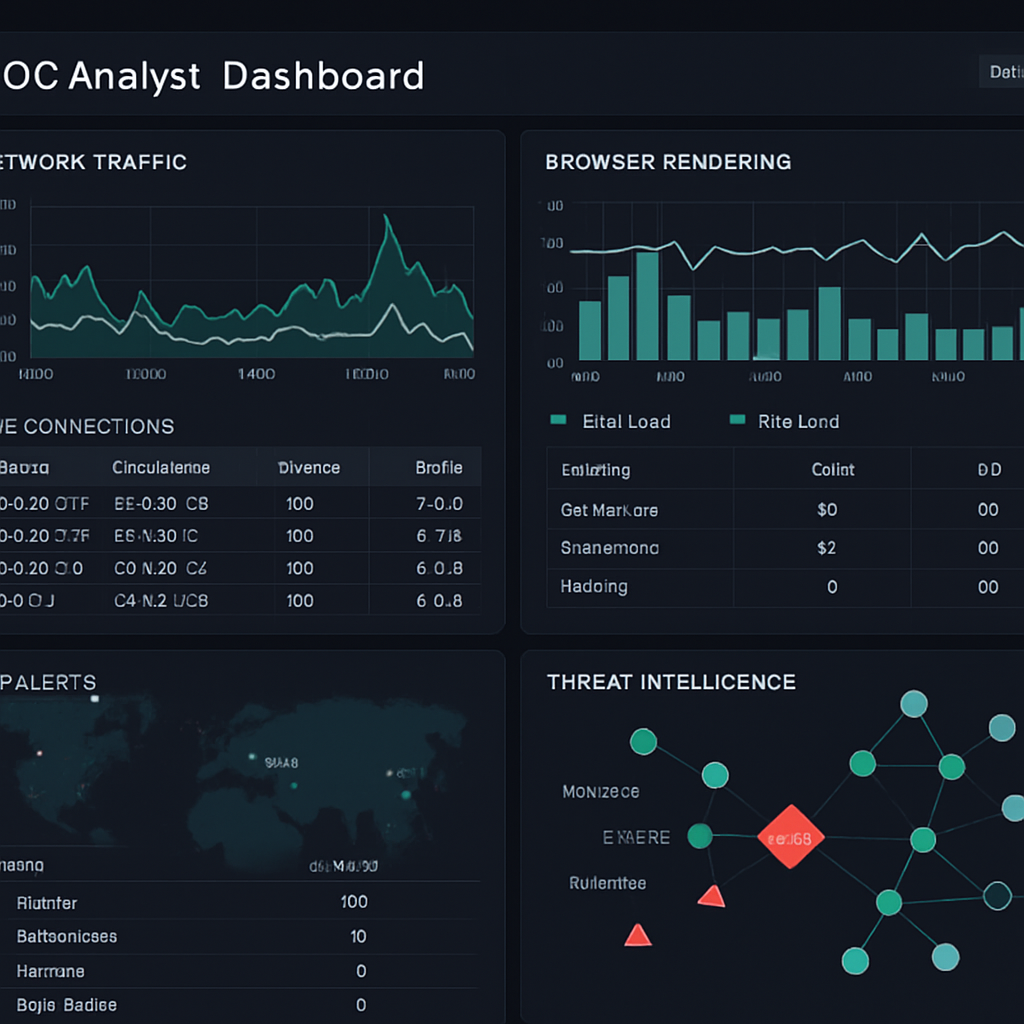
The first move is to uncover what a suspicious URL really does. Modern phishing operations often hide key behavior—like redirects, scripts, or token exchanges—behind front-end defenses. Using tools that simulate real browsing (including HTTPS traffic decryption, redirect tracking, and DOM inspection) lets analysts capture what’s happening inside the browser and across the network. One phishing-as-a-service campaign exploiting device-code authentication (EvilTokens) showed how using sandboxed environments can expose hidden flows, enabling earlier detection and tier escalation decisions.
Step 2: Turn Raw Findings into a Response-Ready Case
After confirming a threat, the next task is organizing findings clearly so response teams can act. A solid Tier 1 report should include verdicts, indicators of compromise (IOCs), technical event logs, and structured threat tags. Adding AI-powered summaries and actionable recommendations saves time and helps incident responders or MSSPs quickly understand what to do next. That clarity reduces redundant work and keeps incidents moving forward.
Step 3: Expand Detection via Threat Intelligence Pivoting
Closing one phishing URL doesn’t end the risk. Analysts should use identified IOCs and behavioral patterns—like certain API paths or endpoint types—to search existing threat intelligence platforms for related infrastructure. Tools that map relationships between URLs, IPs, domains, and telemetry help reveal which indicators are specifically malicious versus part of benign cloud or content delivery networks. That distinction is critical when deciding what to block, monitor, or investigate further. Geo, industry, and targeting context also aid in judging relevance to your environment.
What SOCs Gain
Following these steps gives analysts a more continuous workflow—from detection to response to threat hunting. It means less time spent rebuilding context at each stage and clearer communication across tiers. Phishing triage becomes faster with richer visibility; incident response grows more precise when reports are ready for action; threat hunting becomes proactive rather than reactive. SOCs applying this playbook are seeing up to 30% fewer unnecessary escalations.
These improvements go beyond tools—they shape how SOCs operate. Prioritizing visibility, structured reporting, and threat intelligence not only speeds up individual investigations but also transforms the organization’s ability to build defense in depth. For any security team under pressure from phishing volume and complexity, this approach offers a pathway to do more with less—and stay ahead of evolving threats.