1Password revealed on November 25, 2026, that an attacker infiltrated their backend infrastructure by compromising an employee’s corporate GitHub account. The breach exposed customer records — including names, email addresses used for signing in, and internal account metadata — but the core contents of users’ vaults, encryption keys and stored passwords remained secure. All services continued functioning normally throughout.
How the Attack Unfolded
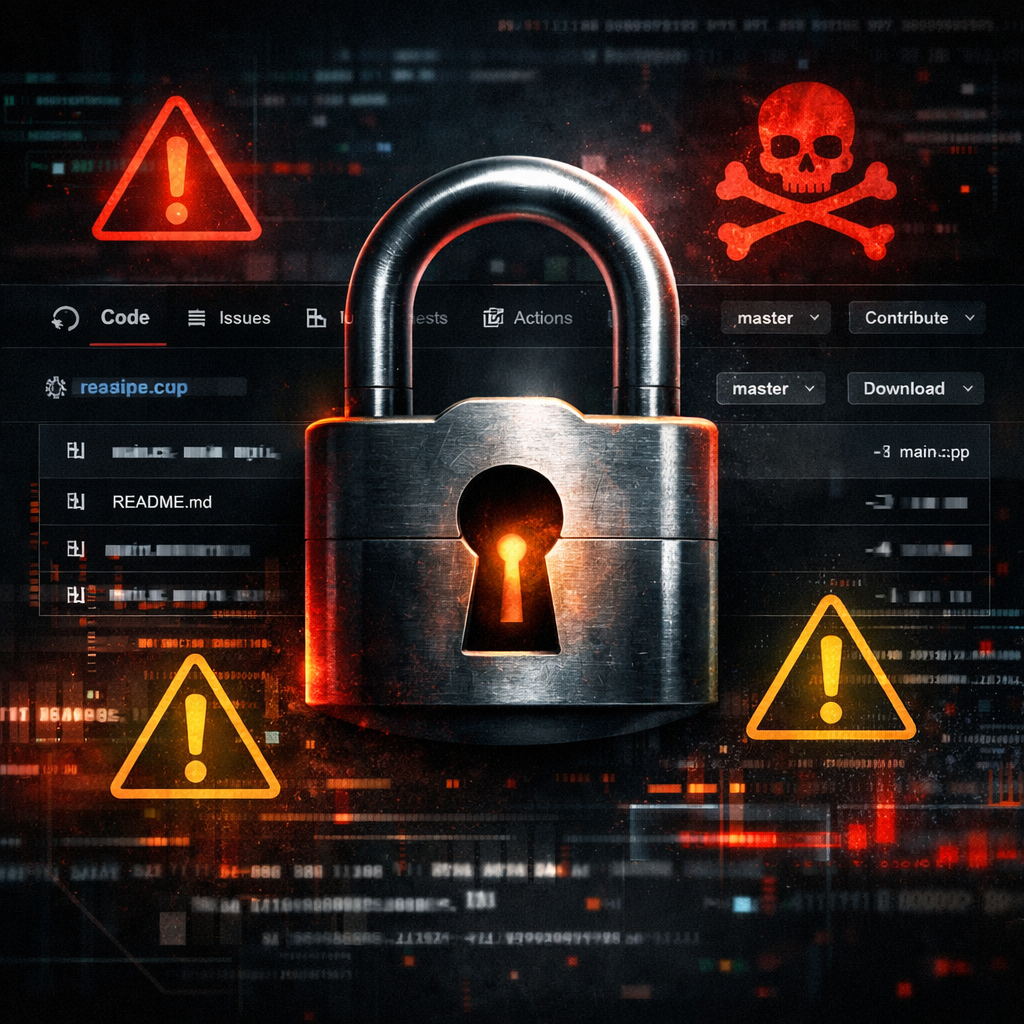
The incident came to light on November 19 when 1Password noticed suspicious activity in a GitHub account tied to one of its employees. From there, it was determined that the attacker had accessed the company’s private source code repositories and altered backend services by pushing malicious code. These manipulated services then extracted administrative records for certain customers from internal systems.
The affected GitHub account also granted attackers entry into 1Password’s continuous integration and deployment (CI/CD) system — the software pipeline responsible for building and deploying applications — along with credentials used across the company’s infrastructure. Despite this, 1Password says the source code contained no sensitive user secrets. What was taken included customer metadata: user IDs, account setup dates, last login times, public cryptographic keys, and Secure Remote Password protocol settings. These settings, according to the company, offer no means to access user accounts.
Tokens, Recovery Links & What Was Exposed
A separate concern involved tokens used in invitation or account recovery flows. Affected systems stored certain invite, setup, and recovery link tokens. Crucially, these are distinct from the account recovery keys, which were not compromised. Even if a token was exposed, it alone could not be used to hijack an account. To complete recovery or invitation steps, one must either log in via single sign-on or use an additional code sent to the account owner’s email.
1Password confirmed identifying all users who were in the midst of an invitation or recovery process when the breach occurred. The company found no evidence any exposed tokens have been misused so far.
Response & What Users Should Do
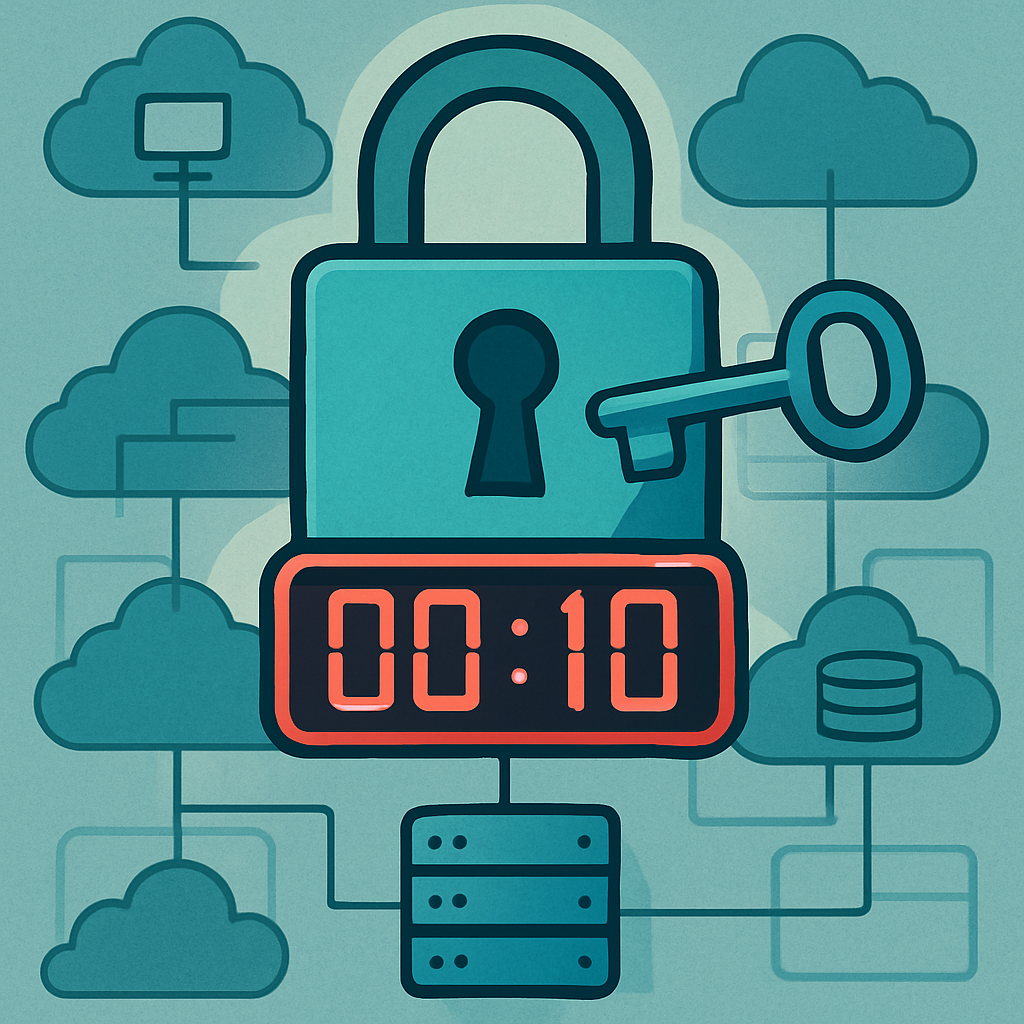
In response to the breach, 1Password disabled the compromised GitHub account, revoked the exposed token, cleaned up affected services, and removed any unauthorized access. Internal credentials with potential exposure were replaced or revoked, and tight controls were introduced around GitHub usage and deployment systems. One specific security upgrade: invitation and recovery codes have been lengthened and made more complex—shifting from six digits to ten alphanumeric characters.
Users are not required to take any action on their accounts as a result of this breach. Still, there’s a low risk of phishing attempts given that attackers could use real names and email addresses to craft convincing messages around invitations or recovery actions. If any communication appears out of the blue, the safest move is to access the app or type the website address manually rather than clicking unexpected links. 1Password emphasizes it will never ask for your account password or Secret Key directly.
Why This Matters
This incident marks a more serious breach than 1Password’s 2023 disruption involving Okta, where customer data exposure was reportedly avoided. The latest attack confirms not just infrastructure access but actual extraction of account-related metadata. It underscores the risks posed by dependency on platforms like GitHub and CI/CD pipelines—attack vectors that have become increasingly attractive to attackers.
What to Watch Next: Will more detailed forensic information become available—especially around how the GitHub account was breached? Will affected customers see any follow-up abuse of tokens or metadata? And perhaps most importantly, how will 1Password and similar providers shore up internal access controls to avoid recurrence of attacks that leverage developer tooling?