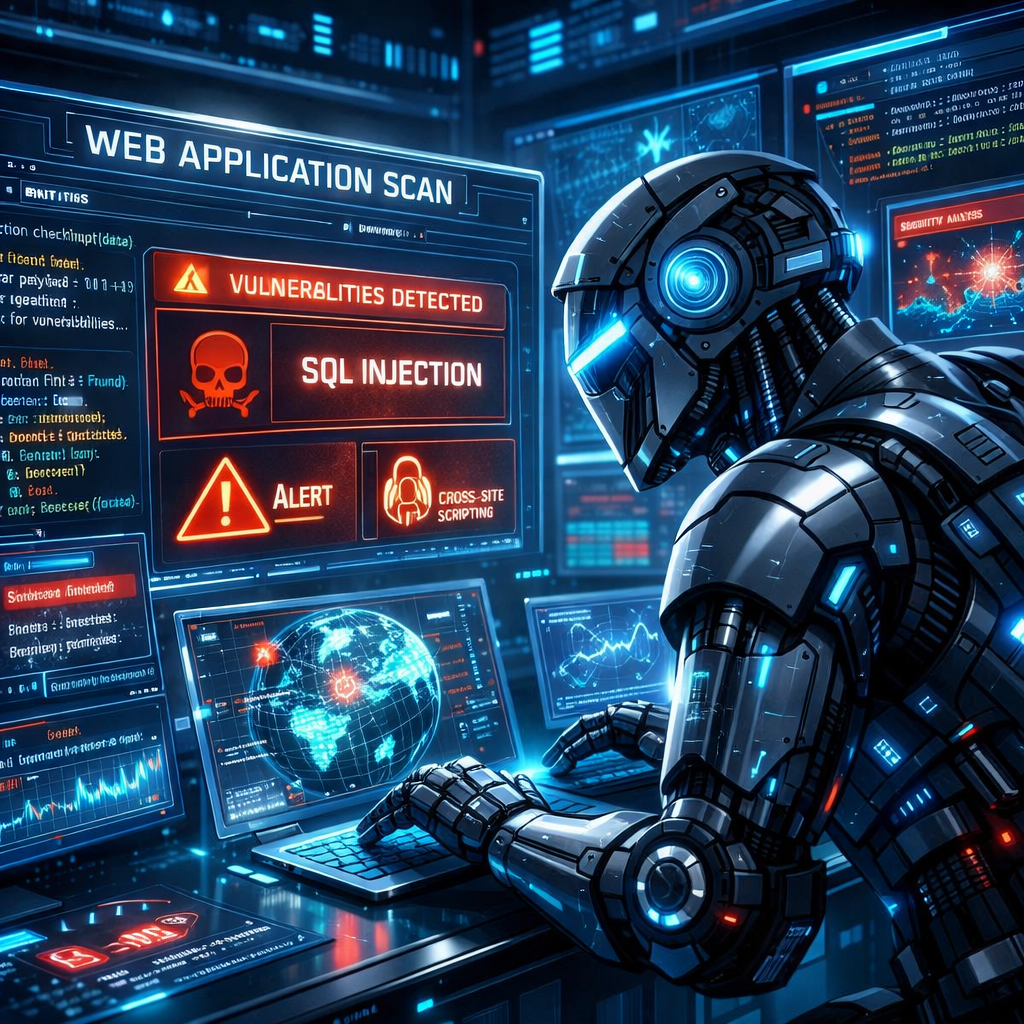
AI-powered penetration testing for web applications is rapidly becoming a must-have. Threat actors are accelerating in capabilities—proving exploits even before patches are released. In the first half of 2026, nearly one-quarter of vulnerabilities added to the exploited-list were attacked on or before their public disclosure. As organizations look to defend against increasingly fast-moving threats, selecting the right AI pentesting vendor can mean the difference between early detection and disaster.
What Separates the Best Vendors From the Rest
It’s easy to be impressed by slick demos. The real test is how well a vendor navigates your web app—especially its authenticated sections—how much coverage they secure, and whether their tools are safe to run in your live environment. Demos tend to show controlled environments. What really counts is whether the tool handles your app’s complexity.
A robust vendor should start with deep understanding. Some begin testing from a blank URL and rebuild their knowledge each time; others maintain a continuous model of your site and build incrementally. Ask how the vendor captures context, what they carry forward between assessments, and whether they explore beyond pre-modeled maps.
Findings are only useful when they’re verifiable. You want more than a list of possible issues—you need reproducible proof. The agent should show real exploit evidence that your internal team can validate, not just flags. Production safety also matters: make sure there are guardrails—safeguards built in that prevent tests from causing damage.
Three Questions That Reveal True Capability
Before you commit, put competing vendors to the test using your own environment. Run what’s called a bake-off—and treat vendors equally: same app, same test accounts, same scope, same timeline. Score performance across standard criteria to spot differences. Here are three checks that tend to catch weak offerings early:
- Can the vendor reach logged-in workflows? If testing halts at login walls, coverage is shallow.
- Do findings come with validation—proof of exploitation—not just hypotheses?
- Does the tool enforce safety measures for production environments—e.g., test limits, rollback plans, non-destructive payloads?
These are just three of 15 vital checks. Others cover how testing chains attacks across roles, handles sensitive data, mandates retesting after fixes, and more. A reliable vendor will offer a full checklist or scorecard so you can assess them fairly.
Above all, the strongest AI pentesting tool is the one that doesn’t just showcase flashy demos—it shows exactly what parts of your app were tested, delivers proof you can verify, runs safely in production, and offers measurable performance. Use a well-designed checklist to find that vendor, not just the one with the best presentation.
What this means moving forward: as AI agents get more capable, the risk landscape shifts fast. Organizations must demand evidence—coverage metrics, risk severity, exploit proof, and strict guardrails. Don’t fall for surface-level demos. The days when visual polish meant competence are gone. Watch carefully what gets tested, how it’s validated, and what happens when you ask about your own app—not theirs.