Zevo’s Bold Move: Integrating Tensor’s Robotaxis into Its EV Car-Sharing Fleet
The era of driverless vehicles has transitioned from science fiction to reality, with companies like Waymo launching commercial robotaxi services across multiple cities. This shift has spurred numerous automakers, both established and emerging, to develop autonomous capabilities for personal vehicles. The potential applications of personal autonomous vehicles (AVs) are vast, ranging from running errands to generating income by offering rides to others—a vision championed by Tesla’s Elon Musk.
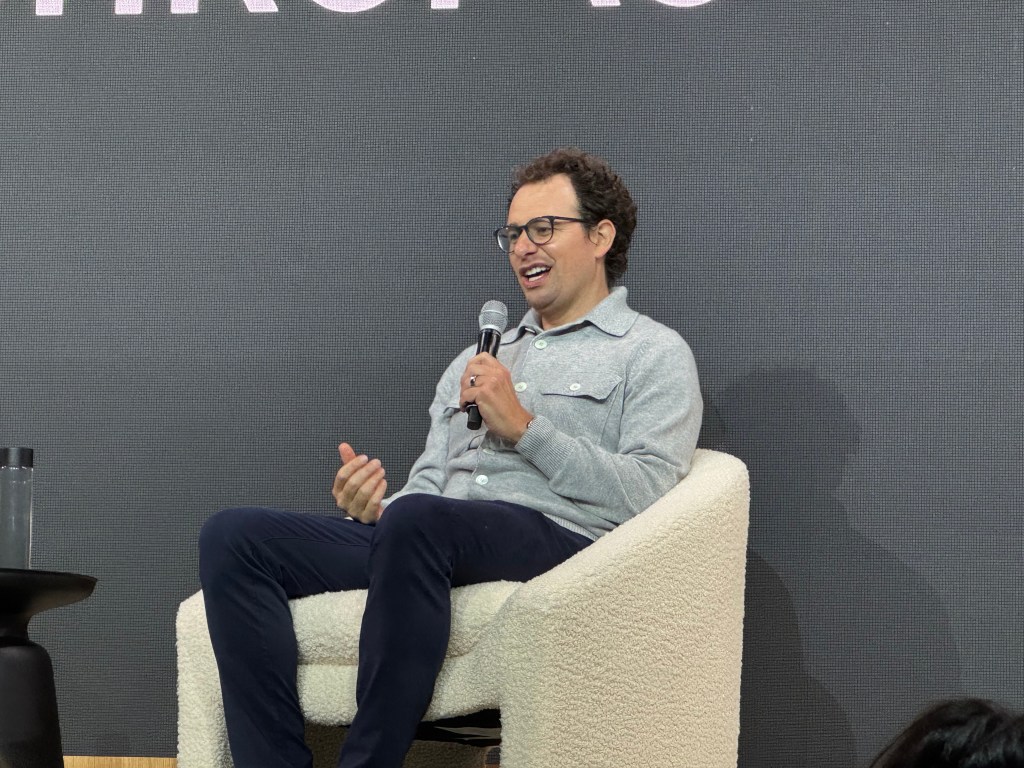
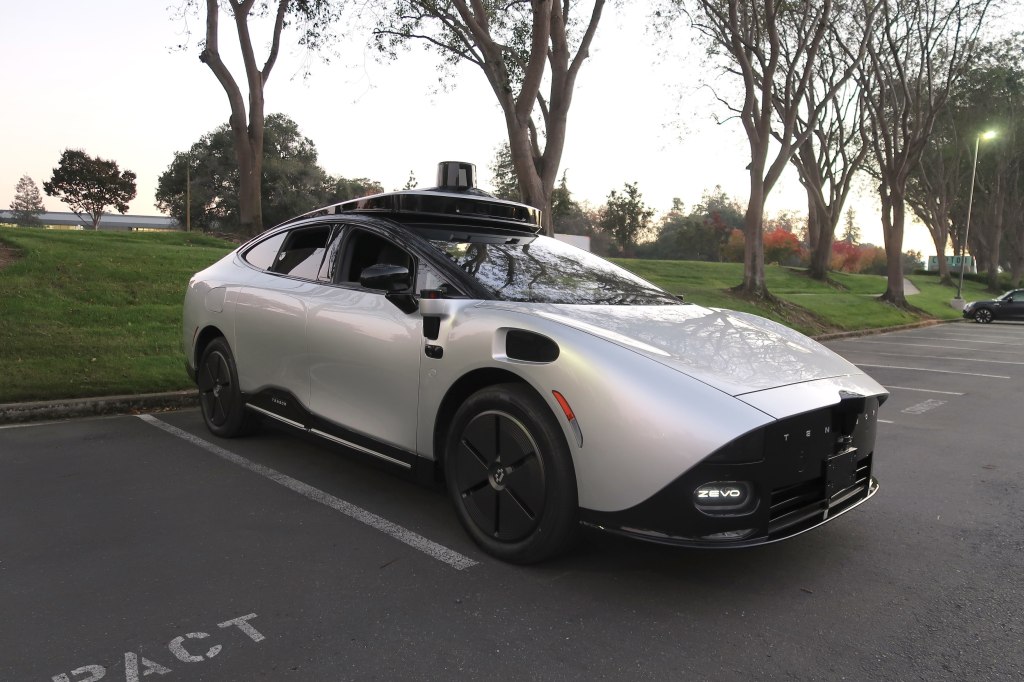
Hebron Sher, co-founder of Dallas-based Zevo, is keen to harness these possibilities. Zevo, which has been operating an electric vehicle (EV)-only car-sharing fleet for over a year, is now set to incorporate robotaxis into its offerings, beginning with vehicles from the startup Tensor.
Tensor, a relatively new player in the autonomous vehicle sector, emerged earlier this year from the Silicon Valley startup AutoX, which also had operations in China. Tensor ambitiously claims it will be the first to sell fully autonomous cars directly to consumers by 2026. Zevo plans to purchase up to 100 of Tensor’s vehicles to integrate into its network.
While specific timelines remain uncertain, and Tensor faces significant challenges in achieving scalable and reliable production—a hurdle that has impeded many newcomers in recent years—the company asserts that its path to shipping is driven by the pacing of global regulatory approvals, not product limitations. If successful, Zevo customers could access Tensor’s AVs, effectively participating in a decentralized robotaxi service.
This initiative echoes the ambitious yet often unfulfilled promises of a decade ago when self-driving car hype was at its peak. However, with operational robotaxis now on the roads, such concepts appear more attainable.
Hugo Fozzati, Tensor’s chief business officer, stated, Tensor’s vision is to build a future where everyone owns their own Artificial General Intelligence—a personal AGI that enables more time, freedom, and autonomy. For us, this partnership with Zevo is not only just a batch sale of our vehicles but also enables individuals and micro-entrepreneurs to participate and profit from AV business in this AI era.
This collaboration is not Zevo’s first venture with emerging companies. In October, Zevo announced a non-binding order of 1,000 vans from the EV startup Faraday Future. Despite Faraday’s decade-long struggle to produce and sell its flagship FF91 luxury SUV, the company has recently shifted to importing more affordable electric vans from China for assembly in the U.S., with plans to assemble the first units later this month.
Sher’s willingness to engage with these companies is driven by two primary factors. Firstly, cost considerations: Tensor and Faraday Future, given their nascent or troubled histories, are likely to offer attractive deals. More importantly, these companies are more amenable than major original equipment manufacturers (OEMs) to allow Zevo to deeply integrate with their vehicles’ software—a crucial aspect for enabling peer-to-peer sharing, especially with robotaxis.
Sher noted that legacy automakers are less flexible, stating their tech freaking sucks. He emphasized the synergy between startups, saying, The synergy of startup and startup, sort of mingling, commingling together, and saying, ‘Let’s build a solution side by side…’ I think I’ve really enjoyed that experience.
The partnership with Tensor is viewed as mutually beneficial: Tensor gains an early customer and an opportunity to demonstrate the viability of its autonomous vehicles, while Zevo secures a favorable deal and the necessary software integration.
However, Sher acknowledges the inherent risks, describing it as a calculated risk. He added, I think that’s what makes America great, you know, the fact that we do encourage startups to take risk.