YouTube Secures Exclusive Streaming Rights for the Oscars Starting in 2029
In a groundbreaking development, YouTube has secured exclusive rights to stream the Academy Awards beginning in 2029. This strategic move signifies a major shift in the broadcasting landscape, as the Oscars transition from traditional television to a global digital platform.
A Historic Transition
Since 1961, with a brief exception in the early 1970s, ABC has been the home of the Oscars. However, starting with the 101st Academy Awards in 2029, YouTube will take over as the exclusive broadcaster. This partnership is set to continue through 2033, marking a significant departure from the Oscars’ longstanding association with network television.
Expanding Global Reach
The collaboration between YouTube and the Academy of Motion Picture Arts and Sciences aims to broaden the Oscars’ audience. With over 2 billion users worldwide, YouTube offers an unparalleled platform to showcase the ceremony. The event will be streamed live and free globally, ensuring accessibility to a diverse and expansive viewership. In the United States, YouTube TV subscribers will also have access to the live broadcast.
Addressing Declining Viewership
In recent years, the Oscars have experienced a decline in viewership, dropping from a peak of 55 million in 1998 to approximately 20 million. This trend has prompted the Academy to explore innovative avenues to engage audiences. By partnering with YouTube, the Academy seeks to rejuvenate interest and reach a younger, tech-savvy demographic.
Comprehensive Content Offering
Beyond the main event, YouTube’s agreement encompasses a wide array of content related to the Oscars. This includes red carpet coverage, behind-the-scenes footage, the announcement of nominations, interviews with Academy members and filmmakers, access to the Governors Ball, educational programs about film, podcasts, and more. This holistic approach aims to provide audiences with an immersive Oscars experience.
Statements from Leadership
Academy CEO Bill Kramer and President Lynette Howell Taylor expressed their enthusiasm: We are thrilled to enter into a multifaceted global partnership with YouTube to be the future home of the Oscars and our year-round Academy programming. This partnership will allow us to expand access to the work of the Academy to the largest worldwide audience possible.
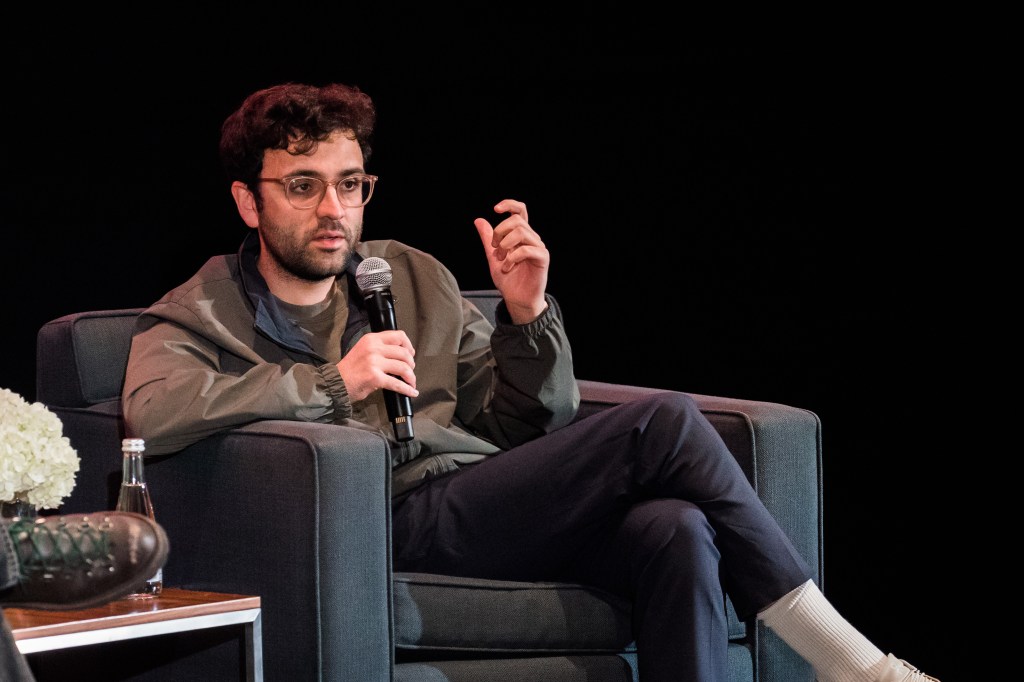
YouTube CEO Neal Mohan echoed this sentiment: The Oscars are one of our essential cultural institutions, honoring excellence in storytelling and artistry. Partnering with the Academy to bring this celebration of art and entertainment to viewers all over the world will inspire a new generation of creativity and film lovers while staying true to the Oscars’ storied legacy.
Implications for the Entertainment Industry
This partnership underscores the evolving dynamics of content consumption. As streaming platforms continue to gain prominence, traditional broadcasters face increasing competition. YouTube’s acquisition of the Oscars’ streaming rights reflects a broader trend of digital platforms securing exclusive content to attract and retain viewers.
YouTube’s Growing Influence
YouTube’s foray into exclusive live event broadcasting is not unprecedented. In September 2025, the platform’s first exclusive NFL broadcast attracted over 17 million viewers globally, setting a record for concurrent livestream viewers. This success demonstrates YouTube’s capability to handle large-scale live events and its potential to reshape how audiences engage with major cultural moments.
The Future of Award Shows
The shift of the Oscars to a streaming platform may set a precedent for other major award shows. While Netflix has secured rights to the SAG Awards, YouTube’s acquisition of the Oscars marks the first time a major award show will be exclusively streamed, potentially influencing how other ceremonies approach broadcasting in the digital age.
Conclusion
YouTube’s exclusive streaming rights to the Oscars beginning in 2029 represent a significant milestone in the evolution of media consumption. This partnership not only aims to revitalize the Oscars’ viewership but also reflects the broader shift towards digital platforms as primary sources for live events. As the lines between traditional broadcasting and digital streaming continue to blur, collaborations like this may become the new norm in the entertainment industry.