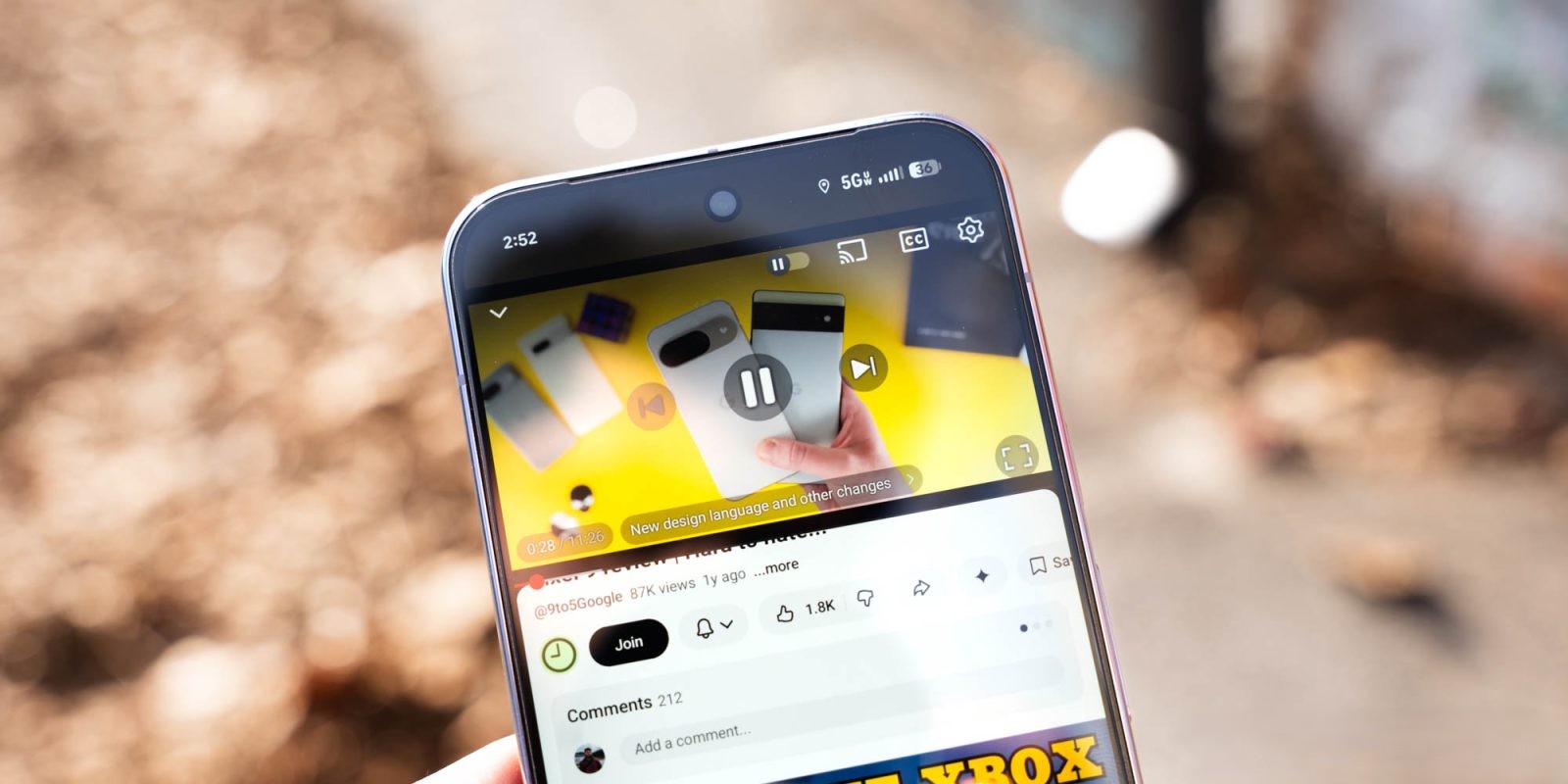
YouTube Restricts Background Playback in Third-Party Browsers, Limiting Free Access
In a significant shift affecting Android users, YouTube has recently disabled the ability to play videos in the background when accessed through certain third-party browsers. This change primarily impacts users who have relied on browsers like Samsung Internet, Brave, Vivaldi, and Edge to circumvent the platform’s restrictions on background playback—a feature traditionally reserved for YouTube Premium subscribers.
Historically, these alternative browsers offered a workaround that allowed users to continue listening to YouTube videos while using other applications or even with their device’s screen turned off. This functionality provided a cost-free method to enjoy one of YouTube’s most sought-after features without subscribing to the Premium service.
However, recent reports indicate that this loophole has been closed. Users attempting to utilize background playback through these browsers now find that video playback ceases shortly after the screen is turned off or when switching to another app. Additionally, the media controls that previously appeared on the lock screen disappear, rendering the play button non-functional.
This development aligns with YouTube’s ongoing efforts to enforce its subscription model and restrict access to Premium features for non-paying users. Over the past few years, the platform has intensified its measures against unauthorized access to features like ad-free viewing and background playback. These actions have included targeting ad-blockers and unofficial YouTube clients that offer Premium functionalities without a subscription.
While some users have reported intermittent success with certain browsers, such as Brave, the overall trend suggests a concerted effort by YouTube to eliminate these workarounds. This move underscores the platform’s commitment to maintaining the value proposition of its Premium service and ensuring that exclusive features remain accessible only to subscribers.
For users who have depended on these third-party browsers for background playback, this change represents a significant limitation. It highlights the evolving landscape of digital content consumption, where platforms are increasingly tightening control over feature access to bolster subscription-based revenue models.
As the situation develops, users may need to explore alternative solutions or consider subscribing to YouTube Premium to regain access to background playback and other exclusive features. This shift serves as a reminder of the dynamic nature of online services and the importance of staying informed about changes that may impact user experience.