Xreal One Pro Review: A Glimpse into the Future of Smart Glasses
The Xreal One Pro represents a significant step forward in the evolution of smart eyewear, offering users a unique spatial computing experience. However, it falls short of delivering the fully autonomous augmented reality (AR) functionality that many enthusiasts anticipate.
Design and Display
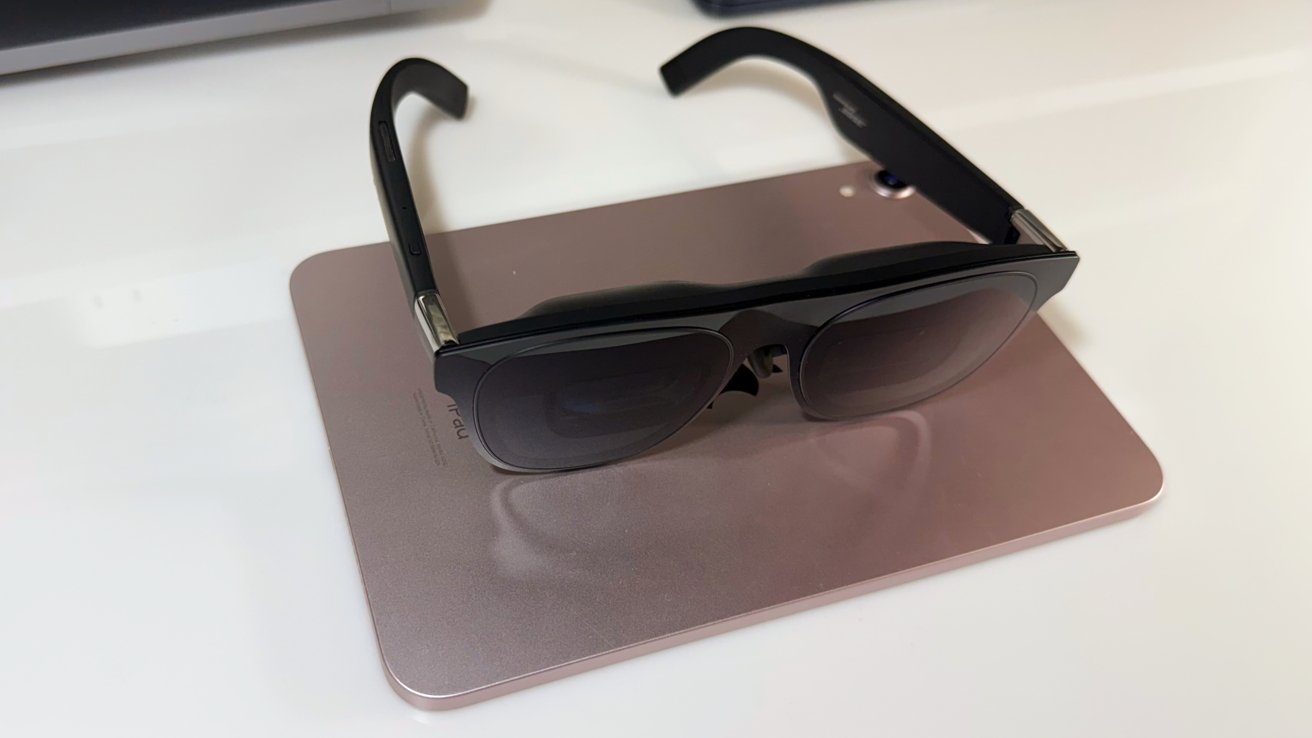
At first glance, the Xreal One Pro resembles a pair of stylish, slightly oversized sunglasses. This design choice accommodates the advanced technology housed within, including a high-resolution display that projects images directly into the user’s field of vision. The device boasts a larger and improved display area compared to its predecessors, enhancing the immersive experience. Despite the added technology, the glasses maintain a relatively lightweight construction, ensuring comfort during extended use.
Functionality and Connectivity
Unlike fully independent AR headsets, the Xreal One Pro requires a connection to a host device, such as an iPhone or iPad, to function. This tethered setup means that all content processing occurs on the connected device, with the glasses serving primarily as a display. While this approach leverages the power of existing devices, it also introduces limitations, such as the need for a physical connection and reliance on the host device’s capabilities.
Accessories and Enhancements
To expand its functionality, Xreal offers optional accessories for the One Pro. One notable add-on is the Xreal Eye, a 12-megapixel camera that integrates seamlessly with the glasses. This accessory not only enables image capture but also upgrades the device from three degrees of freedom (3DoF) to six degrees of freedom (6DoF), allowing for more precise tracking of head movements and a more immersive experience. However, the Xreal Eye is sold separately for $99, an additional investment that some may find necessary for a complete experience.
Another accessory, the Xreal Beam Pro, aims to provide wireless connectivity, freeing users from the constraints of cables. This device functions as an Android-based hub, facilitating wireless streaming to the glasses. While it offers a solution to the tethering issue, it introduces another device into the ecosystem, which may not appeal to all users.
Performance and User Experience
In practical use, the Xreal One Pro excels as a head-mounted display, effectively projecting content from the connected device into the user’s field of vision. The larger display area enhances the viewing experience, making it suitable for various applications, from watching videos to browsing the web. However, the lack of on-device processing means that the glasses cannot function independently, limiting their versatility compared to fully autonomous AR devices.
Comparative Analysis
When compared to other products in the market, such as Meta’s Ray-Ban smart glasses, the Xreal One Pro offers a different set of features and trade-offs. Meta’s glasses, for instance, include built-in cameras and are designed for more casual, everyday use, focusing on capturing moments and providing basic notifications. In contrast, the Xreal One Pro aims to deliver a more immersive display experience, albeit with the requirement of a connected device and optional accessories for full functionality.
Pros and Cons
Pros:
– Stylish design resembling traditional sunglasses
– Enhanced display area for improved viewing
– Lightweight construction for comfortable wear
Cons:
– Requires a host device for content processing
– Full 6DoF functionality necessitates an additional $99 accessory
– Included cable may be of subpar quality, potentially requiring replacement
Conclusion
The Xreal One Pro offers a compelling glimpse into the potential of smart glasses, providing an enhanced display experience that integrates seamlessly with existing devices. However, its reliance on a host device and the need for additional accessories to unlock its full capabilities may deter some users. As the smart eyewear market continues to evolve, products like the Xreal One Pro highlight both the progress made and the challenges that remain in delivering fully autonomous and versatile AR experiences.