Assessing the Viability of a $16 Billion Investment in the Robotaxi Industry
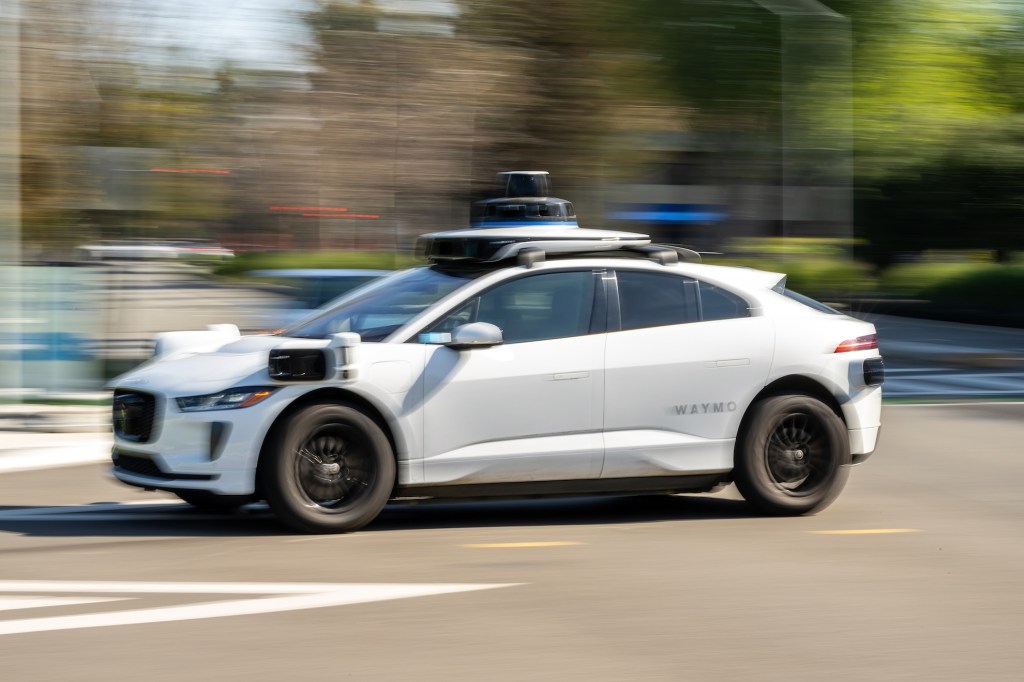
The autonomous vehicle (AV) sector has witnessed significant financial commitments, with Waymo, Alphabet’s self-driving subsidiary, recently securing a $16 billion investment to expand its robotaxi services globally. This substantial funding aims to support Waymo’s operations in existing markets such as San Francisco, Phoenix, Los Angeles, Austin, Atlanta, and Miami, and to facilitate its entry into international cities like London and Tokyo. ([techcrunch.com](https://techcrunch.com/2026/02/02/waymo-raises-16-billion-round-to-scale-robotaxi-fleet-london-tokyo/?utm_source=openai))
The Financial Landscape of Robotaxi Ventures
The question arises: Is a $16 billion investment sufficient to establish a profitable robotaxi business? Industry experts offer mixed perspectives. On one hand, Alphabet’s unwavering support provides Waymo with a stable financial foundation, insulating it from the volatility that has affected other AV startups reliant on less committed backers. Waymo’s impressive operational metrics further bolster this confidence, with the company delivering approximately 400,000 rides weekly across six major U.S. metropolitan areas. In 2025 alone, Waymo tripled its annual ride volume to 15 million, surpassing 20 million lifetime rides to date. ([techcrunch.com](https://techcrunch.com/2026/02/02/waymo-raises-16-billion-round-to-scale-robotaxi-fleet-london-tokyo/?utm_source=openai))
Challenges on the Road to Profitability
Despite these achievements, several challenges persist. The high costs associated with developing and deploying autonomous technology remain a significant hurdle. Additionally, increasing regulatory scrutiny poses potential obstacles to rapid expansion. Waymo’s Chief Safety Officer recently testified before the Senate Commerce Committee, highlighting the company’s proactive approach to addressing safety concerns. ([techcrunch.com](https://techcrunch.com/2026/02/08/techcrunch-mobility-is-16b-enough-to-build-a-profitable-robotaxi-business/?utm_source=openai))
Another consideration is Waymo’s operational model. Currently, the company manages its fleet directly, which offers control over service quality but also entails substantial operational expenses. Transitioning to a licensing model, where Waymo provides its AV technology to third-party operators, could reduce costs but would require relinquishing some control over the end-user experience.
Comparative Industry Movements
The broader AV industry offers insights into the financial demands of establishing a robotaxi service. For instance, General Motors (GM) invested over $10 billion in its Cruise subsidiary before deciding to halt its robotaxi development program in favor of focusing on personal autonomous vehicles. This strategic shift was projected to save GM up to $1 billion annually. ([techcrunch.com](https://techcrunch.com/2024/12/11/gm-is-giving-up-on-cruise-robotaxis-pivots-to-personal-autonomous-vehicles/?utm_source=openai))
Similarly, Uber has made significant investments in the AV space. In July 2025, Uber announced a multimillion-dollar investment in Lucid Motors and Nuro to develop a premium robotaxi service. This partnership involved Uber purchasing at least 20,000 Lucid Gravity SUVs equipped with Nuro’s autonomous technology, with production slated to begin in late 2026. ([techcrunch.com](https://techcrunch.com/2025/07/17/uber-makes-multi-million-dollar-investment-in-lucid-nuro-to-build-robotaxi-service/?utm_source=openai))
In another strategic move, Uber invested $100 million in WeRide to expand their robotaxi services across 15 additional cities over five years. This partnership, initiated in Abu Dhabi, aims to integrate WeRide’s autonomous vehicles into Uber’s platform, demonstrating the ride-hailing giant’s commitment to scaling its AV operations. ([techcrunch.com](https://techcrunch.com/2025/05/07/uber-invests-100m-in-weride-to-fuel-robotaxi-expansion-across-15-more-cities/?utm_source=openai))
Global Expansion and Valuations
Chinese AV companies are also making significant strides. Pony.ai, for example, plans to triple its global robotaxi fleet by the end of 2026, aiming to surpass 3,000 vehicles. The company currently offers commercial robotaxi services in Beijing, Shanghai, Guangzhou, and Shenzhen. ([techcrunch.com](https://techcrunch.com/2025/11/25/chinas-pony-ai-plans-to-triple-global-robotaxi-fleet-by-the-end-of-2026/?utm_source=openai))
Pony.ai’s valuation reflects its growth trajectory. In March 2022, the company was valued at $8.5 billion following the first close of its Series D funding round. This valuation underscores investor confidence in the potential of robotaxi services, despite the substantial capital required for development and deployment. ([techcrunch.com](https://techcrunch.com/2022/03/07/robotaxi-startup-pony-ai-now-valued-at-8-5b/?utm_source=openai))
The Path Forward for Waymo
Waymo’s $16 billion funding round positions it as a formidable player in the AV industry. However, achieving profitability will depend on several factors:
1. Cost Management: Developing and deploying autonomous technology is capital-intensive. Waymo must find ways to reduce costs, potentially through economies of scale, technological advancements, or strategic partnerships.
2. Regulatory Navigation: As autonomous vehicles become more prevalent, regulatory bodies are increasing their oversight. Waymo’s proactive engagement with regulators will be crucial in facilitating smooth expansions into new markets.
3. Operational Strategy: Deciding between maintaining direct control over its fleet or adopting a licensing model will significantly impact Waymo’s cost structure and scalability.
4. Market Competition: The AV landscape is becoming increasingly competitive, with companies like Uber, Pony.ai, and others making substantial investments. Waymo must continue to innovate to maintain its market position.
Conclusion
While $16 billion is a substantial investment, the path to profitability in the robotaxi industry is complex and fraught with challenges. Waymo’s success will hinge on its ability to manage costs, navigate regulatory landscapes, refine its operational strategies, and stay ahead in a competitive market. The coming years will be pivotal in determining whether this investment is sufficient to establish a sustainable and profitable robotaxi business.