Waymo Resumes San Francisco Robotaxi Service After Blackout-Induced Stalls
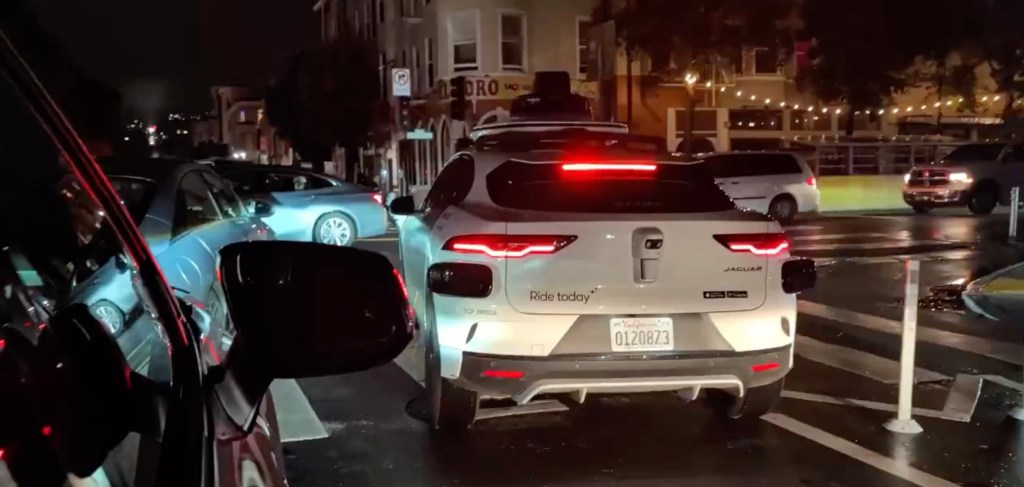
On the evening of December 20, 2025, San Francisco experienced a significant power outage that led to widespread disruptions, including the stalling of numerous Waymo autonomous vehicles across the city. The blackout, reportedly caused by a fire at a Pacific Gas & Electric substation, affected approximately 120,000 customers, leaving many without electricity and causing traffic signals to fail.
In response to the outage, Waymo temporarily suspended its robotaxi services in the San Francisco Bay Area. A company spokesperson stated, We have temporarily suspended our ride-hailing services in the San Francisco Bay Area due to the widespread power outage. Our teams are working diligently and in close coordination with city officials to monitor infrastructure stability, and we are hopeful to bring our services back online soon.
The power failure not only disrupted traffic signals but also impacted public transportation systems like Muni, prompting San Francisco Mayor Daniel Lurie to advise residents to avoid non-essential travel. The combination of non-functioning traffic lights and stalled autonomous vehicles contributed to significant traffic congestion throughout the city.
Waymo’s autonomous vehicles are programmed to treat non-operational traffic signals as four-way stops. However, the extensive nature of the blackout led to some vehicles remaining stationary longer than usual as they assessed the intersections. Despite these challenges, the majority of active trips were completed successfully.
By late Sunday afternoon, Waymo announced the resumption of its services in San Francisco. The company emphasized its commitment to learning from the incident and enhancing its technology to better handle similar situations in the future. A spokesperson noted, While the failure of the utility infrastructure was significant, we are committed to ensuring our technology adjusts to traffic flow during such events.
This incident underscores the challenges autonomous vehicle companies face when integrating their technology into complex urban environments, especially during unforeseen events like power outages. It also highlights the importance of robust contingency planning to ensure the reliability and safety of autonomous transportation systems.