Waymo Secures $16 Billion to Propel Global Robotaxi Expansion
Waymo, the autonomous vehicle subsidiary of Alphabet, has successfully raised $16 billion in a recent funding round, marking a significant milestone in its mission to expand its driverless taxi services to over a dozen new international cities, including London and Tokyo.
Strategic Investment and Valuation
The funding round was spearheaded by prominent investment firms such as Dragoneer Investment Group, DST Global, and Sequoia Capital. This substantial investment has elevated Waymo’s valuation to an impressive $126 billion. Alphabet, Waymo’s parent company, also participated in the round, maintaining its majority stake. Other notable investors include Andreessen Horowitz, Mubadala Capital, Bessemer Venture Partners, Silver Lake, Tiger Global, and T. Rowe Price. Additional contributions came from BDT & MSD Partners, CapitalG, Fidelity Management & Research Company, GV, Kleiner Perkins, Perry Creek Capital, and Temasek.
Accelerated Growth and Expansion
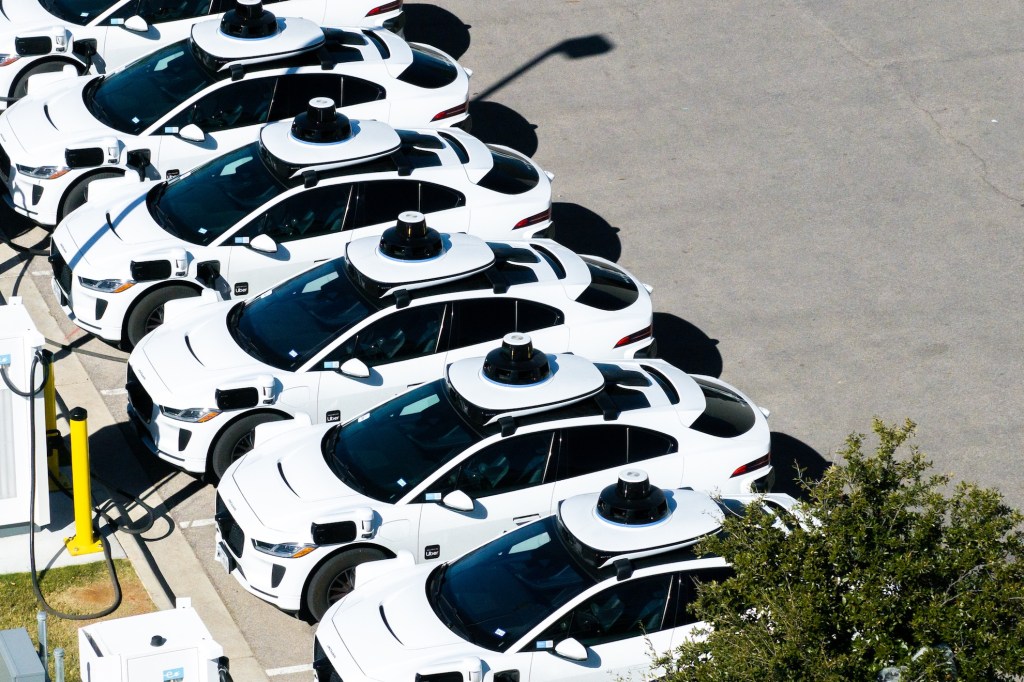
The newly acquired funds are earmarked to fuel Waymo’s rapid growth trajectory. Over the past year, the company has significantly expanded its robotaxi services across Northern California and major U.S. metropolitan areas, including Los Angeles, Austin, and Miami. Notably, Waymo has secured operations to and from San Francisco International Airport, enhancing its service offerings.
Historical Progression
Originating as a Google self-driving project, Waymo has methodically advanced its autonomous vehicle technology. Initial testing on public roads in Silicon Valley and the Bay Area led to the 2016 launch in Phoenix, where the company introduced driverless Chrysler Pacifica minivans to the public. This marked Waymo’s first foray into a commercial robotaxi market.
Regulatory Milestones and Service Expansion
In August 2023, Waymo achieved a pivotal regulatory milestone by obtaining the necessary permits to operate and charge for robotaxi services in California. This approval facilitated the launch of limited services in San Francisco, which subsequently expanded to encompass the greater Bay Area, Silicon Valley, and connecting freeways. The company also extended its services to Los Angeles. In 2025, through a partnership with Uber, Waymo launched operations in Austin and Atlanta, followed by an expansion into Miami at the beginning of the current year.
Operational Metrics
Waymo’s aggressive expansion strategy has yielded impressive operational metrics. The company now provides approximately 400,000 rides weekly across six major U.S. metropolitan areas. In 2025 alone, Waymo tripled its annual ride volume to 15 million, surpassing a cumulative total of 20 million rides to date.
Future Outlook
With the substantial capital infusion, Waymo is poised to accelerate its international expansion plans. The company aims to establish operations in over 20 additional cities by the end of 2026, with London and Tokyo being key targets. This ambitious growth strategy underscores Waymo’s commitment to transforming urban mobility on a global scale.
Challenges and Considerations
Despite its successes, Waymo’s rapid expansion has attracted increased scrutiny. Instances of robotaxis exhibiting unsafe behaviors, particularly in school zones, have been reported. Investigations by the National Highway Traffic Safety Administration (NHTSA) and the National Transportation Safety Board (NTSB) are underway to address these concerns. Notably, a recent incident involved a Waymo robotaxi striking a child near a school, resulting in minor injuries. These events highlight the importance of ensuring safety and public trust as Waymo continues to scale its operations.
Conclusion
Waymo’s recent $16 billion funding round marks a significant milestone in the company’s journey to revolutionize transportation through autonomous technology. With plans to expand into major international markets like London and Tokyo, Waymo is at the forefront of the autonomous vehicle industry. However, as the company scales, it must navigate regulatory challenges and prioritize safety to maintain public confidence and achieve sustainable growth.