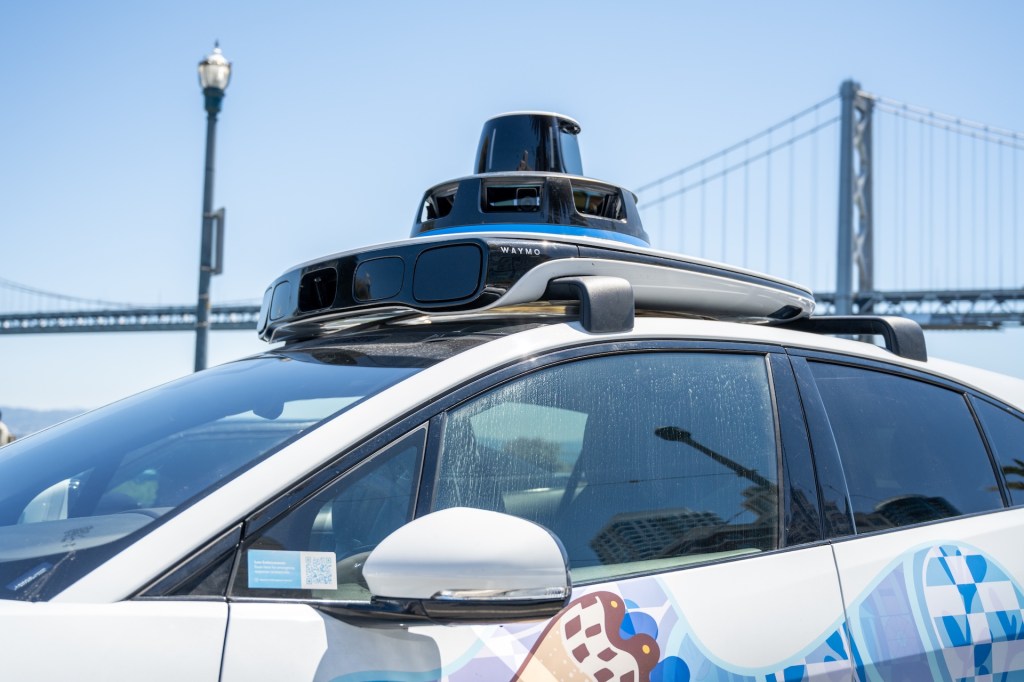
Waymo Expands Autonomous Vehicle Testing to Chicago and Charlotte
Waymo, the autonomous vehicle subsidiary of Alphabet Inc., has announced the initiation of its robotaxi testing programs in Chicago, Illinois, and Charlotte, North Carolina. This strategic expansion is part of Waymo’s ongoing efforts to scale its autonomous vehicle operations across diverse urban environments.
Beginning today, Waymo will commence manual mapping and data collection in both cities. This initial phase involves human-driven vehicles traversing the urban landscapes to gather comprehensive data on road conditions, traffic patterns, and unique driving scenarios. Such groundwork is essential for developing accurate maps and understanding the intricacies of each city’s driving environment. Historically, Waymo’s approach to entering new markets includes extensive manual driving and mapping, followed by gradual introduction of autonomous testing, leading up to fully driverless operations.
Charlotte’s suburban-style layout and relatively mild weather conditions present a less complex environment for autonomous vehicle deployment. In contrast, Chicago offers a more challenging setting with its dense urban infrastructure, heavy traffic, and harsh winter weather. Successfully operating in Chicago would demonstrate the robustness and adaptability of Waymo’s autonomous driving technology, reinforcing its potential for nationwide scalability. This move also provides Waymo with another opportunity to establish a presence in a northern city, especially after New York’s decision to drop a proposal that would have permitted commercial robotaxi pilots in certain areas of the state.
This announcement coincides with Waymo’s recent launch of commercial driverless operations in Dallas, Houston, San Antonio, and Orlando, bringing the total number of cities where Waymo operates to ten. The company’s rapid expansion underscores its commitment to integrating autonomous vehicles into various urban settings across the United States.
Beyond Chicago and Charlotte, Waymo has plans to test and potentially launch services in other major cities, including Denver, London, and Washington, D.C. Earlier this month, the company secured $16 billion in funding aimed at supporting its international expansion efforts.
Waymo’s methodical approach to entering new markets involves several key steps:
1. Manual Mapping and Data Collection: Deploying human-driven vehicles to map the city’s roads and gather data on traffic patterns and unique driving scenarios.
2. Autonomous Testing: Introducing autonomous vehicles with safety drivers to test and refine the technology in real-world conditions.
3. Fully Driverless Operations: Transitioning to a commercial service offering rides to the public without human drivers.
In cities like San Francisco, Los Angeles, and Phoenix, Waymo has successfully navigated this process, leading to the launch of commercial robotaxi services. The company’s expansion into Chicago and Charlotte signifies its confidence in replicating this success in new and diverse urban environments.
Operating in Chicago presents unique challenges due to its complex urban infrastructure and severe winter conditions. Waymo’s ability to adapt its technology to such an environment will be a critical test of its system’s versatility and reliability. Conversely, Charlotte’s more straightforward layout and favorable weather conditions may allow for a smoother and faster deployment process.
Waymo’s expansion strategy is not limited to the United States. The company’s recent funding round is expected to fuel its international ambitions, with London being a notable target for future operations. This global perspective indicates Waymo’s intent to be a leader in the autonomous vehicle industry worldwide.
The autonomous vehicle industry is witnessing rapid advancements, with several companies vying for dominance. Waymo’s systematic and cautious approach, characterized by extensive testing and data collection, sets it apart from competitors who may opt for faster but potentially riskier deployment strategies.
As Waymo continues to expand its footprint, the company remains committed to safety and regulatory compliance. Engaging with local authorities, conducting thorough risk assessments, and maintaining transparent communication with the public are integral to its operational philosophy.
In conclusion, Waymo’s initiation of testing in Chicago and Charlotte marks a significant milestone in its mission to integrate autonomous vehicles into diverse urban landscapes. By addressing the unique challenges presented by each city, Waymo aims to demonstrate the scalability and adaptability of its technology, paving the way for broader acceptance and implementation of autonomous transportation solutions.