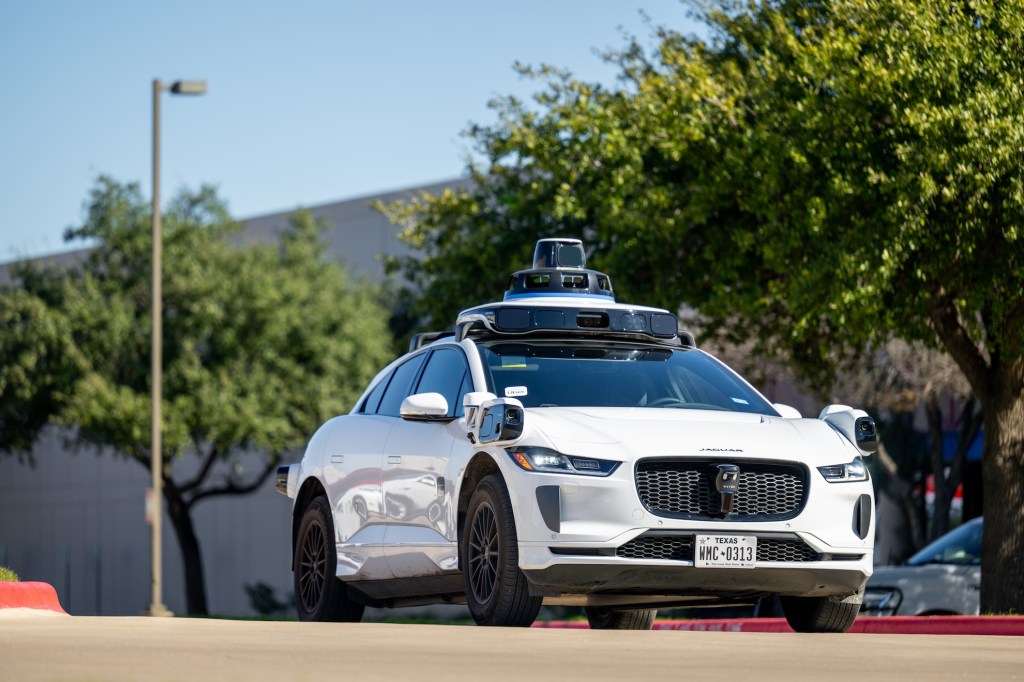
Waymo Advances Autonomous Ride-Hailing with Driverless Robotaxis in Nashville
Waymo, the autonomous vehicle subsidiary of Alphabet Inc., has initiated driverless testing of its robotaxis in Nashville, Tennessee, marking a significant step toward launching a commercial ride-hailing service in the city. This development follows months of preparatory testing and aligns with Waymo’s strategic expansion into new urban markets.
Strategic Partnership with Lyft
In a collaborative effort to enhance urban mobility, Waymo has partnered with Lyft to introduce its autonomous ride-hailing service in Nashville. Initially, passengers will be able to request rides through the Waymo app. As the service matures, Waymo’s self-driving vehicles will also become accessible via the Lyft platform. Lyft’s subsidiary, Flexdrive, will manage essential fleet operations, including vehicle maintenance, charging infrastructure, and depot management, ensuring a seamless experience for users.
Expansion of Waymo’s Autonomous Services
Waymo’s foray into Nashville is part of a broader initiative to extend its autonomous ride-hailing services across the United States. The company currently operates commercial services in cities such as Atlanta, Austin, Los Angeles, Miami, the San Francisco Bay Area, and Phoenix. Additionally, Waymo maintains driverless test fleets in Dallas, Houston, San Antonio, and Orlando, demonstrating its commitment to advancing autonomous transportation nationwide.
Methodical Deployment Strategy
Waymo employs a consistent and methodical approach when entering new markets. The process begins with deploying a small fleet of manually driven vehicles to map the city’s streets and gather essential data. Subsequently, these vehicles undergo testing with human safety operators onboard to monitor performance and address any immediate concerns. The final phase involves driverless testing, often starting with company employees as passengers, before the official launch of the robotaxi service to the general public. This structured strategy ensures the safety and reliability of the autonomous vehicles in diverse urban environments.
Implications for Urban Mobility
The introduction of driverless robotaxis in Nashville signifies a transformative shift in urban transportation. Autonomous ride-hailing services have the potential to reduce traffic congestion, lower transportation costs, and provide accessible mobility options for a broader segment of the population. Moreover, the collaboration between Waymo and Lyft exemplifies how technology companies and ride-hailing platforms can work together to accelerate the adoption of innovative transportation solutions.
Challenges and Considerations
Despite the promising advancements, the deployment of driverless robotaxis presents several challenges. Regulatory compliance, public acceptance, and the development of robust safety protocols are critical factors that must be addressed. Waymo’s proactive approach, including extensive testing and partnerships with established ride-hailing services like Lyft, aims to mitigate these challenges and foster a smooth integration of autonomous vehicles into existing transportation networks.
Future Outlook
As Waymo continues to expand its autonomous services, the success of the Nashville deployment will likely influence future initiatives in other cities. The company’s commitment to safety, strategic partnerships, and methodical deployment strategies position it as a leader in the autonomous vehicle industry. Observers and stakeholders will closely monitor the outcomes of this venture to assess the viability and scalability of driverless ride-hailing services in urban settings.
Conclusion
Waymo’s initiation of driverless robotaxi testing in Nashville represents a pivotal moment in the evolution of autonomous transportation. Through strategic partnerships and a careful deployment strategy, Waymo is poised to offer innovative and accessible mobility solutions that could redefine urban transportation landscapes. As the company progresses toward a full-scale launch, the experiences gained in Nashville will provide valuable insights into the future of autonomous ride-hailing services.