Walmart’s Stance on Apple Pay: A Deep Dive into the Retail Giant’s Payment Policies
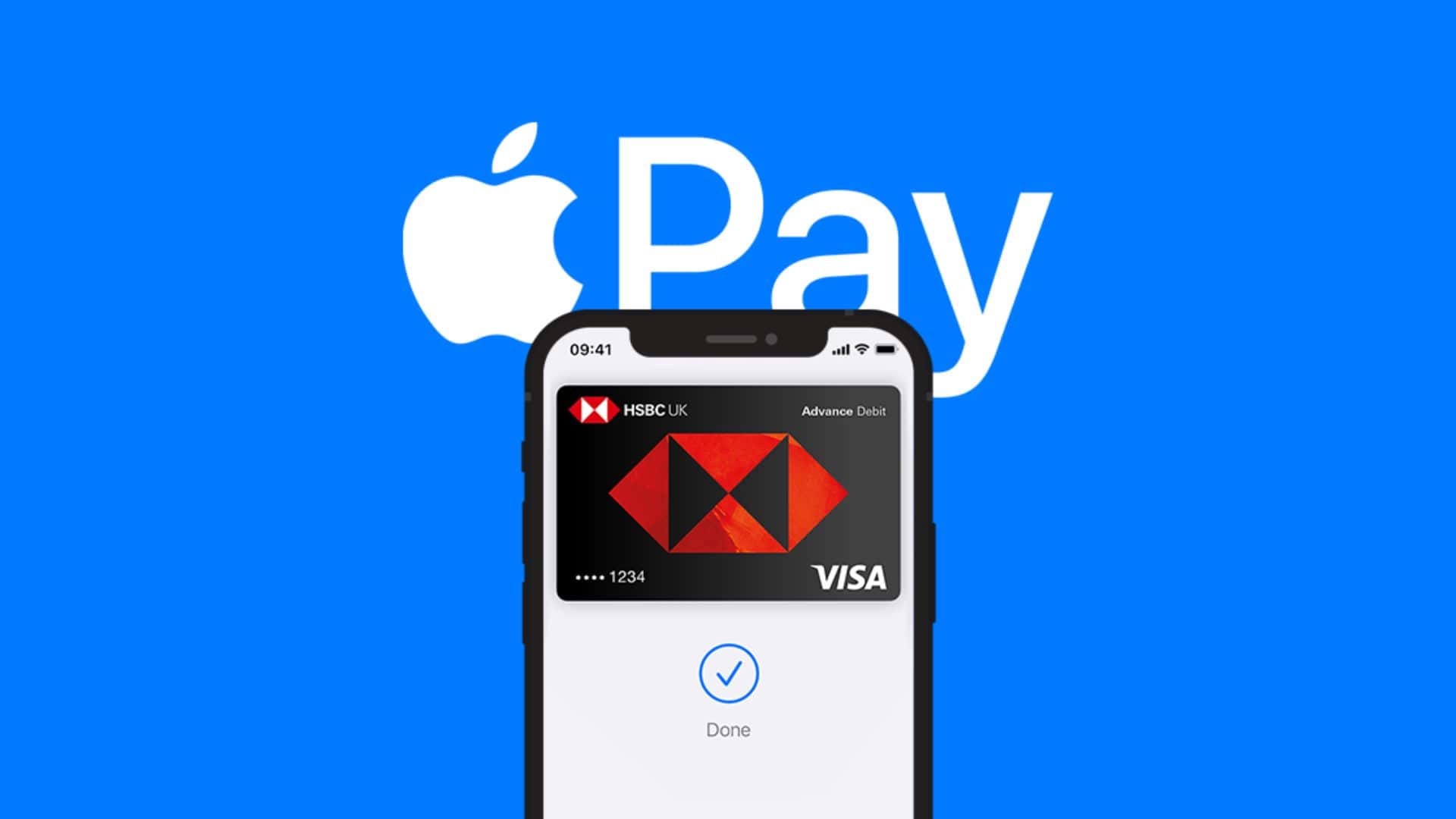
In an era where contactless payments have become the norm, Walmart remains a notable exception among major U.S. retailers by not accepting Apple Pay. As of January 2026, customers are unable to use their iPhones, Apple Watches, or other NFC-enabled devices to make payments at Walmart stores across the United States. This policy has led to growing frustration among shoppers who have come to expect the convenience and speed of tap-to-pay options.
The Current Landscape of Contactless Payments
Over the past decade, contactless payment methods have seen widespread adoption. Retailers such as Home Depot, Lowe’s, Kroger, and H-E-B have integrated systems that support Apple Pay, allowing customers to complete transactions with a simple tap. This shift aligns with consumer preferences for faster and more secure payment options.
Walmart’s Position on Apple Pay
Despite the industry trend, Walmart has consistently chosen not to support Apple Pay or other NFC-based payment methods like Google Pay and Samsung Pay in its U.S. stores. Instead, the retail giant promotes its proprietary payment solutions: Walmart Pay and Scan & Go.
– Walmart Pay: This system requires customers to add their payment cards to the Walmart app. At checkout, users scan a QR code displayed at the register to complete their purchase.
– Scan & Go: Available to Walmart+ members, this feature allows shoppers to scan items using their smartphones as they shop and finalize payment through the app, bypassing traditional checkout lines.
While these alternatives offer digital payment options, they lack the simplicity and speed of NFC-based systems. Customers must navigate through the Walmart app and perform additional steps, which can be less efficient than a straightforward tap-to-pay transaction.
The Underlying Reasons for Walmart’s Decision
A significant factor influencing Walmart’s reluctance to adopt Apple Pay is data control. When customers use Apple Pay, their actual card numbers are not shared with the retailer, and the amount of transaction data accessible to the merchant is limited. This restriction hinders Walmart’s ability to collect detailed customer information, which is valuable for analyzing purchasing behaviors and tailoring marketing strategies.
By steering customers toward its own payment systems, Walmart retains full access to transaction data, enabling more personalized marketing efforts and fostering customer loyalty within its ecosystem.
Customer Reactions and Market Implications
The absence of Apple Pay at Walmart has not gone unnoticed by consumers. Many shoppers express dissatisfaction with the additional steps required to use Walmart’s proprietary payment methods, especially when other retailers offer more streamlined contactless payment options.
This policy decision also positions Walmart as an outlier in the retail industry. While competitors have embraced Apple Pay to enhance customer convenience, Walmart’s steadfast approach underscores its prioritization of data control over aligning with prevailing consumer payment preferences.
A Glimpse Across the Border
Interestingly, Walmart’s stance on Apple Pay differs in Canada. Reports indicate that Walmart stores in Canada have begun supporting Apple Pay, suggesting a regional variation in the company’s payment policies. This development raises questions about the potential for future changes in the U.S. market.
Looking Ahead
As contactless payments continue to gain traction and consumer demand for seamless transactions grows, Walmart may face increasing pressure to reconsider its position on Apple Pay. Balancing the desire for data control with customer satisfaction will be a critical challenge for the retailer moving forward.
For now, U.S. customers must adapt to Walmart’s existing payment systems or choose alternative retailers that support their preferred contactless payment methods.