Understanding the Absence of UWB in Android’s Find Hub Trackers
Ultra-wideband (UWB) technology has revolutionized the way we locate lost items, offering precise distance and directional data that surpasses traditional Bluetooth capabilities. Apple’s AirTag, for instance, leverages UWB to provide users with exact locations of their belongings. However, the majority of Android’s Find Hub trackers have yet to adopt this technology, and several factors contribute to this lag.
The Role of UWB in Item Tracking
UWB radios in smartphones enable devices to calculate the exact distance and direction to another UWB-equipped object. This precision is particularly beneficial when searching for small items like keys or wallets, where knowing the exact location is crucial. While Bluetooth can guide users to the general vicinity of a lost item, UWB provides pinpoint accuracy, reducing the time and effort required to locate it.
Current State of UWB in Android Trackers
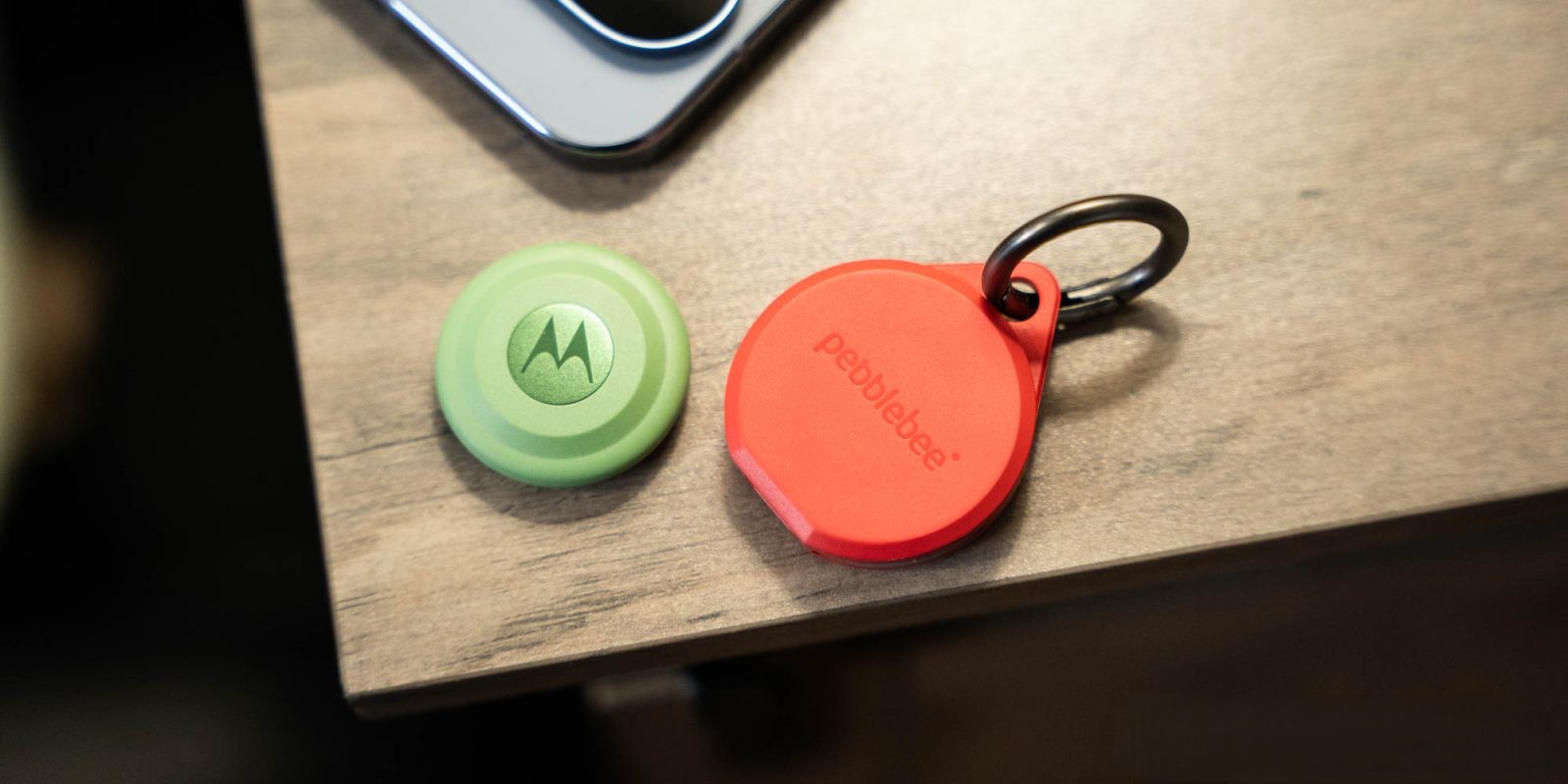
Despite the clear advantages, UWB integration in Android’s Find Hub trackers remains limited. To date, the Moto Tag stands out as the only Android tracker equipped with UWB capabilities. Even with Google’s support for UWB in the Find Hub app, other manufacturers have been slow to incorporate this technology into their devices. For example, the upcoming Xiaomi Tag is expected to forgo UWB support, continuing the trend of its predecessors.
Factors Contributing to Limited UWB Adoption
Several key reasons explain the slow adoption of UWB in Android’s Find Hub trackers:
1. Hardware Fragmentation: Unlike Apple, which has consistently included UWB in its devices, UWB support in Android smartphones is sporadic. Only select high-end models, such as the Pixel Pro series and Samsung’s Galaxy Ultra devices, come equipped with UWB hardware. Many popular Android phones, including the base Pixel 10 and Galaxy S25, lack this feature, limiting the potential user base for UWB-enabled trackers.
2. Manufacturer Priorities: Some manufacturers have chosen to focus on enhancing existing features rather than integrating UWB. For instance, Pebblebee’s latest trackers emphasize louder speakers and brighter LEDs, addressing user feedback that prioritizes audible and visual cues over precise location tracking. This approach suggests that, for many users, the benefits of UWB may not outweigh the costs associated with its implementation.
3. Apple’s Ecosystem Control: Apple restricts third-party access to UWB features within its Find My network, reserving this functionality for its own AirTags. This exclusivity means that third-party trackers compatible with both Android and iOS cannot leverage UWB on Apple devices, reducing the incentive for manufacturers to invest in UWB technology that would only benefit a subset of users.
The Future of UWB in Android Trackers
The limited adoption of UWB in Android’s Find Hub trackers reflects a complex interplay of hardware availability, manufacturer priorities, and ecosystem constraints. While UWB offers undeniable advantages in precise item tracking, its widespread implementation in Android devices faces significant hurdles. As the technology becomes more prevalent and user demand increases, it’s possible that more manufacturers will consider integrating UWB into their trackers. Until then, Bluetooth-based solutions, enhanced with features like louder alerts and visual indicators, will continue to serve the majority of Android users seeking to keep track of their belongings.