Ultrahuman’s Ring Pro: A New Era in Smart Wearables Amidst Legal Challenges
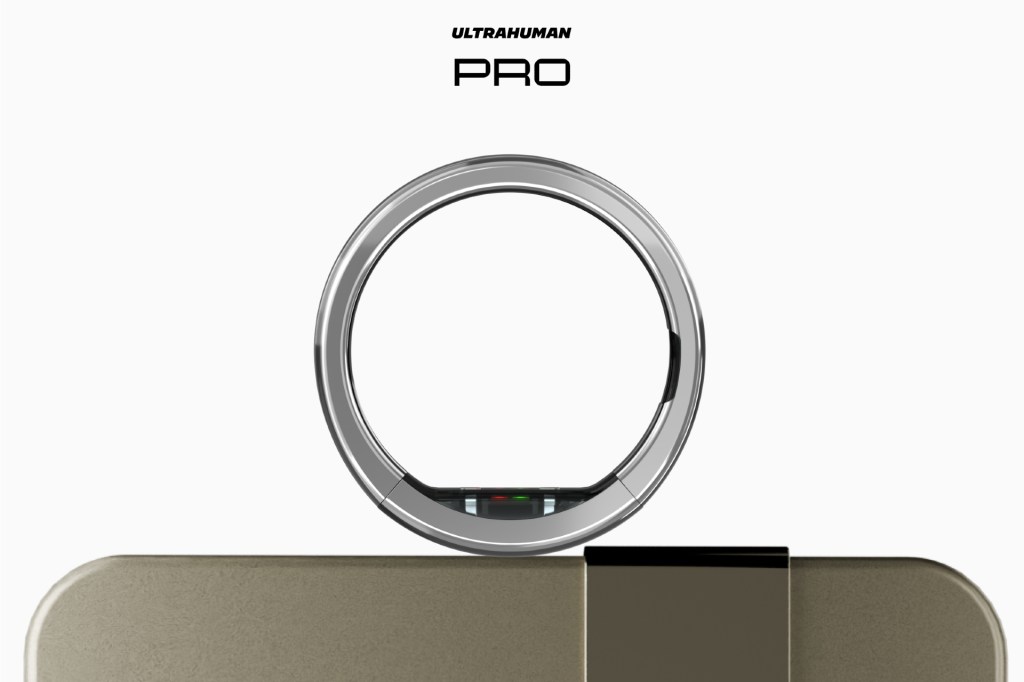
In a bold move to reclaim its position in the U.S. wearable technology market, Bengaluru-based startup Ultrahuman has unveiled its latest innovation: the Ring Pro. This third-generation smart ring boasts an impressive battery life of up to 15 days, a significant leap from the four to six days offered by its predecessor, the Ring Air. Priced at $479, the Ring Pro is now available for global preorders, with shipments commencing in March. However, due to ongoing legal proceedings, the U.S. market remains temporarily excluded from this launch.
The backdrop to this development is a contentious patent dispute with rival company Oura. In October 2025, the U.S. International Trade Commission ruled in favor of Oura, leading to a ban on Ultrahuman importing new ring inventory into the United States. This decision was particularly impactful, considering that the U.S. accounted for approximately 45% of Ultrahuman’s 700,000 daily active users worldwide, as reported by co-founder and CEO Mohit Kumar.
In response to the legal setback, Ultrahuman has proactively redesigned the Ring Pro to circumvent the contested patent issues. The company has submitted the new design to the U.S. Customs and Border Protection, seeking clearance to re-enter the American market. Kumar expressed optimism about this strategic pivot, emphasizing the company’s commitment to innovation and compliance.
Despite these challenges, Ultrahuman’s financial health remains robust. The company is operating at an annualized revenue run rate of about $150 million, with $64 million reported in operating revenue for the fiscal year ending March 2025. While litigation costs and redesign efforts are expected to narrow profit margins, the startup continues to maintain profitability after tax.
In tandem with the Ring Pro’s launch, Ultrahuman introduced Jade, a real-time biointelligence system. Jade analyzes user health data across Ultrahuman’s devices and services, providing personalized insights and recommendations. Unlike traditional health summaries that offer retrospective data, Jade aims to deliver actionable guidance in real-time, enhancing user engagement and health outcomes.
The Ring Pro itself features a redesigned heart-rate sensing architecture, improving signal quality during sleep. A new dual-core processor enhances data accuracy and on-device computing capabilities. The device can store up to 250 days of health data and weighs approximately 5% to 6% more than the Ring Air. To support on-the-go charging, Ultrahuman has also introduced the Pro Charger, offering up to 45 days of battery life and supporting wireless charging via the Qi standard.
Ultrahuman’s user base has seen a notable increase in female users, now accounting for about 68% of its clientele, up from roughly 65% a year earlier. This growth reflects strong adoption of the startup’s women’s health features.
Beyond hardware, Ultrahuman offers subscription-based services, including a coaching and recovery program called PowerPlugs, the Blood Vision metabolic panel, Ultrahuman Home, and a continuous glucose monitoring offering. Subscriptions contribute about 16% of Ultrahuman’s revenue, while Blood Vision accounts for roughly 5% to 6% of the business.
Key growth markets for Ultrahuman include the U.K., Canada, Australia, and India, with the latter contributing about 8% to 9% of overall revenue following recent investments in local customer support.
The global smart ring market is experiencing rapid growth, with shipments increasing nearly 80% year-over-year in 2025. This surge is driven by demand for compact wearables offering advanced sleep tracking and longer battery life. Oura continues to lead the market with more than two-thirds share, while Ultrahuman holds the second position. Future leaders in this category are expected to be defined by sensor accuracy, AI-driven insights, and seamless ecosystem integration.
Founded in 2019, Ultrahuman has raised approximately $55 million to date, with investors including Alpha Wave Incubation, Blume Ventures, Steadview Capital, and Nexus Venture Partners. The company is building additional production capacity to meet the anticipated demand for the Ring Pro in the coming months.