UK Consumer Group Withdraws Lawsuit Against Qualcomm Over Alleged iPhone Modem Overpricing
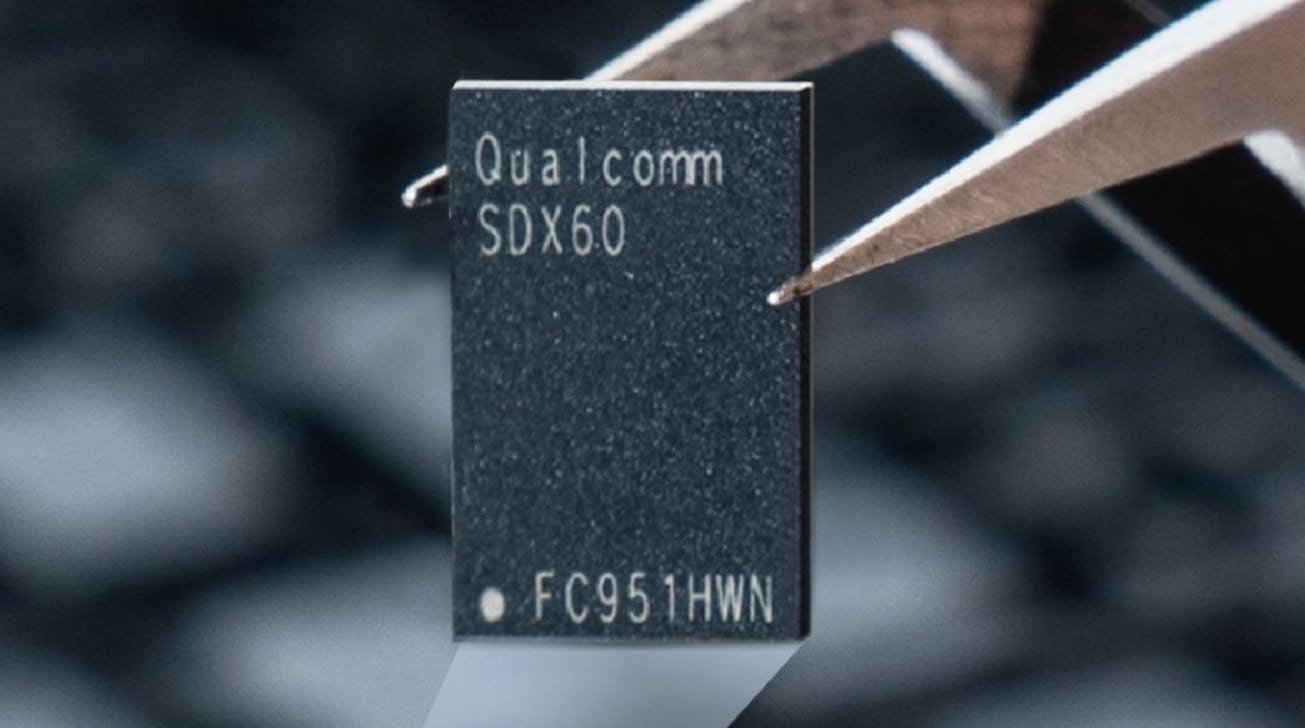
In a significant development within the tech industry, the British consumer advocacy group Which? has decided to withdraw its longstanding lawsuit against Qualcomm. The case, initiated in 2021, accused the semiconductor giant of inflating the costs of 4G modems used in iPhones, leading to higher prices for consumers. Which? initially sought over £480 million in damages on behalf of approximately 29 million UK consumers who purchased Apple or Samsung smartphones since 2015.
Background of the Lawsuit
The crux of the lawsuit centered on Qualcomm’s no license, no chips policy. Which? alleged that this approach compelled manufacturers like Apple and Samsung to pay royalties for Qualcomm’s standard essential patents, regardless of whether Qualcomm’s chips were utilized in their devices. This practice, according to Which?, resulted in inflated costs that were subsequently passed on to consumers, effectively increasing smartphone prices. The consumer group estimated that each affected individual could be entitled to approximately £17 per device if the lawsuit succeeded.
Qualcomm’s Defense
Qualcomm consistently refuted the allegations, asserting that its licensing practices were lawful and standard within the industry. The company maintained that requiring manufacturers to obtain licenses for its patents before purchasing chipsets was a legitimate business practice. Qualcomm emphasized that its agreements with manufacturers were entered into voluntarily and did not coerce companies into unfavorable terms.
Withdrawal of the Case
After years of litigation, Which? announced its decision to withdraw the case. The organization stated that, upon reviewing the evidence and potential outcomes, it concluded that the tribunal would likely find that Qualcomm did not coerce Apple or Samsung into licensing agreements or impose unfair terms. Furthermore, Which? acknowledged that the tribunal would probably determine that Qualcomm’s practices did not infringe upon competition laws, did not result in inflated royalties, and did not lead to increased prices for consumers.
The terms of the withdrawal remain undisclosed. However, it is confirmed that Qualcomm will not make any payments to the claimant class as part of this agreement. A Qualcomm spokesperson expressed satisfaction with the outcome, stating that the recognition by the class representative reaffirms what courts in the United States have repeatedly held: Qualcomm’s licensing practices are lawful and do not harm competition.
Implications for the Tech Industry
This development marks the conclusion of a significant legal challenge against Qualcomm’s business practices. The withdrawal of the lawsuit may set a precedent for similar cases in the future, potentially influencing how consumer advocacy groups approach litigation against large tech companies. It also underscores the complexities involved in antitrust cases within the technology sector, where licensing agreements and patent rights play a crucial role in business operations.
For consumers, the withdrawal means that there will be no compensation related to this case. However, it highlights the ongoing debates and legal scrutiny surrounding the pricing and licensing practices of major technology firms.