Uber’s Expanding Autonomous Vehicle Partnerships: A Strategic Overview
In recent years, Uber has strategically positioned itself at the forefront of autonomous vehicle (AV) technology by forging numerous partnerships across various sectors, including delivery, drones, trucking, and robotaxis. This approach marks a significant shift from its earlier decision to divest its in-house AV development unit, Uber ATG, in 2020. By collaborating with a diverse array of AV technology companies worldwide, Uber aims to integrate cutting-edge autonomous solutions into its core services of ride-hailing and delivery.
A Global Perspective on AV Collaborations
Uber’s commitment to AV technology is evident in its global outreach. The company has entered into agreements with Chinese firms to deploy robotaxis in Europe and the Middle East, showcasing its ambition to lead in the autonomous mobility sector. Additionally, partnerships with startups like the UK-based Wayve highlight Uber’s dedication to incorporating innovative AV solutions into its platform.
The Rivian Partnership: A Bold Move
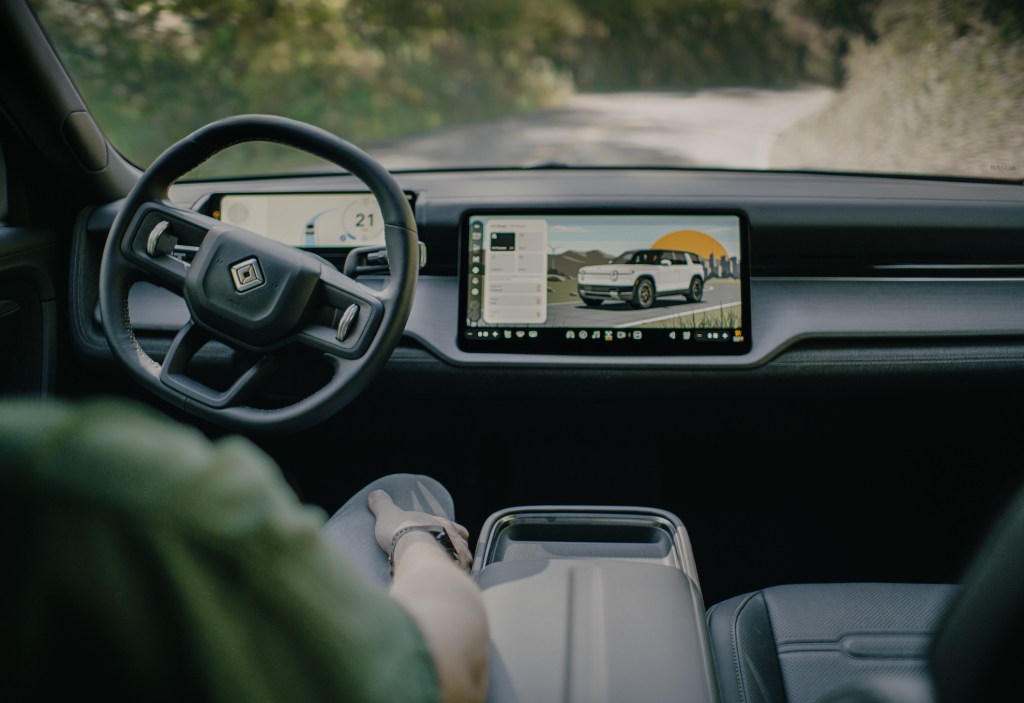
A notable development in Uber’s AV strategy is its recent partnership with electric vehicle (EV) manufacturer Rivian. This collaboration involves an initial investment of $300 million from Uber and the procurement of 10,000 fully autonomous R2 robotaxis, slated for deployment in San Francisco and Miami by 2028. Uber retains the option to purchase up to 40,000 additional units starting in 2030, with these vehicles being exclusively available on Uber’s network.
Assessing the Risks and Rewards
While the total value of the deal could reach $1.25 billion, Uber’s initial financial commitment is relatively modest. However, the partnership places significant pressure on Rivian. The EV manufacturer has yet to commence production of the R2 SUV and has limited experience in developing self-driving systems tailored for robotaxis. Furthermore, the planned production facility in Georgia is still under construction, adding another layer of complexity to the project.
To meet the demands of this ambitious endeavor, Rivian has adjusted its financial projections, indicating that it no longer expects to achieve profitability by 2027 due to increased expenditures related to autonomy efforts.
Industry Implications and Future Outlook
Uber’s aggressive expansion into the AV domain through strategic partnerships underscores its determination to lead the future of transportation. By collaborating with established and emerging players in the AV space, Uber is not only enhancing its service offerings but also contributing to the broader adoption and acceptance of autonomous vehicles.
As the industry continues to evolve, Uber’s multifaceted approach to AV integration serves as a case study in balancing innovation with strategic partnerships. The success of these collaborations will likely influence the trajectory of autonomous mobility and set benchmarks for other companies aiming to navigate this rapidly changing landscape.