Uber and Lyft to Launch Baidu-Powered Robotaxi Trials in London by 2026
In a significant advancement for autonomous transportation, ride-hailing giants Uber and Lyft have announced plans to commence testing of Baidu’s Apollo Go robotaxis in London starting in 2026. This initiative positions them alongside Waymo and local startup Wayve, both of which are also preparing to introduce autonomous vehicles in the city within the same timeframe.
Lyft’s Strategic Move
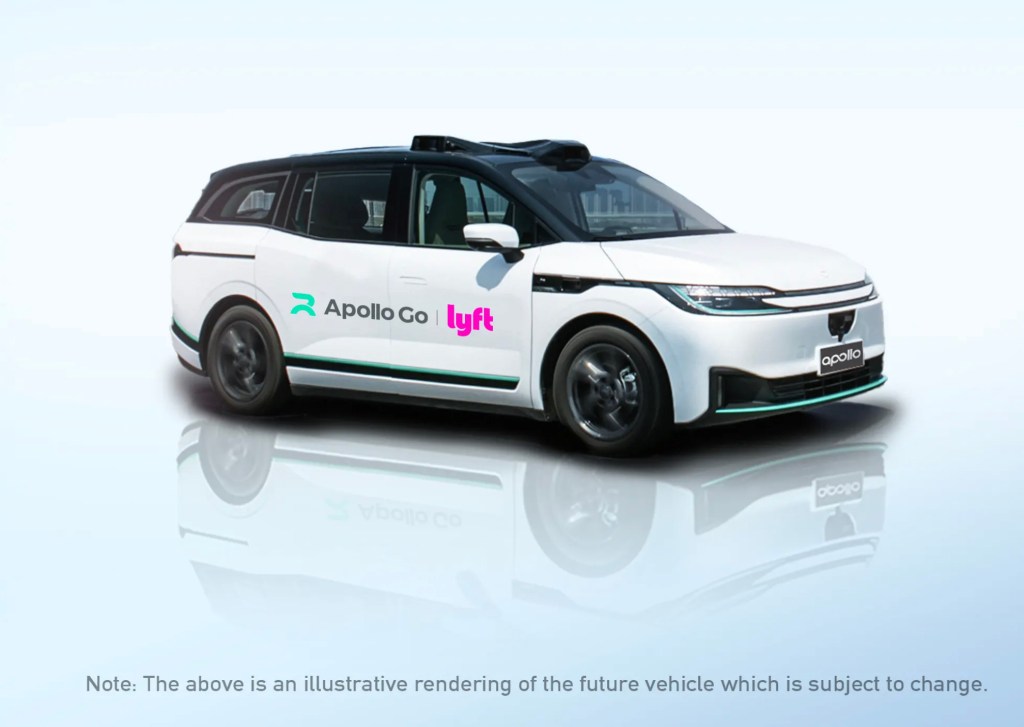
David Risher, CEO of Lyft, shared via social media platforms X and LinkedIn that the company is poised to begin testing Baidu’s electric RT6 SUVs upon securing the necessary regulatory approvals. Risher emphasized Lyft’s ambition to scale the deployment to hundreds of these vehicles, although he did not specify a timeline for a full commercial rollout.
Uber’s Parallel Endeavor
Similarly, Uber has outlined its intention to initiate testing of Baidu’s autonomous vehicles in London in the first half of 2026. This development is part of a broader agreement between Uber and Baidu, which was publicly disclosed in July 2025. The partnership underscores Uber’s commitment to integrating cutting-edge autonomous technology into its service offerings.
The Broader Context
The planned London trials are the latest in a series of strategic collaborations between ride-hailing companies and autonomous vehicle developers. Both Uber and Lyft have been actively forging partnerships with firms like Baidu and Waymo to establish autonomous operations in various global cities. These alliances reflect a concerted effort to stay at the forefront of the rapidly evolving transportation landscape.
Regulatory Considerations
The successful deployment of these robotaxis hinges on obtaining the requisite approvals from local regulatory bodies. Both companies have expressed their commitment to working closely with authorities to ensure compliance with safety standards and operational guidelines. This collaborative approach aims to facilitate a smooth integration of autonomous vehicles into London’s existing transportation infrastructure.
Implications for the Industry
The introduction of Baidu’s Apollo Go robotaxis by Uber and Lyft in London signifies a pivotal moment in the adoption of autonomous vehicle technology. It not only highlights the technological advancements achieved by companies like Baidu but also signals a shift in the ride-hailing industry towards embracing automation. This move is expected to enhance service efficiency, reduce operational costs, and potentially transform urban mobility.
Looking Ahead
As Uber and Lyft prepare for the 2026 trials, the industry will be closely monitoring the outcomes. Success in London could pave the way for broader adoption of autonomous ride-hailing services in other metropolitan areas. Moreover, it may influence regulatory frameworks and public perception regarding the viability and safety of autonomous transportation solutions.
Conclusion
The forthcoming trials of Baidu’s Apollo Go robotaxis by Uber and Lyft in London represent a significant step forward in the integration of autonomous vehicles into urban transportation networks. By collaborating with leading technology providers and adhering to regulatory standards, these companies are positioning themselves at the forefront of a transformative era in mobility.