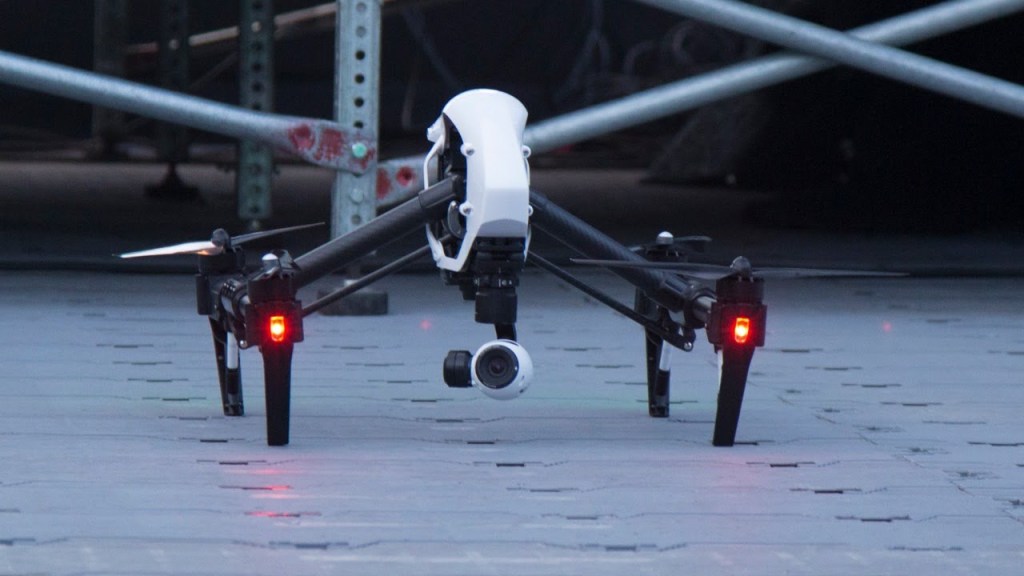
U.S. Enforces Ban on Foreign-Made Drones, Impacting DJI and Others
In a decisive move to bolster national security, the Trump administration’s Federal Communications Commission (FCC) has implemented a ban on the distribution of new foreign-made drone models within the United States. This policy, effective immediately, allows current owners to continue using their existing foreign-manufactured drones but prohibits the introduction of new models into the U.S. market.
The FCC’s decision stems from concerns that drones could be exploited by criminals, hostile foreign actors, and terrorists to pose significant threats to national security. Consequently, the agency has updated its Covered List—a catalog of products deemed to present unacceptable risks to national security—to encompass all unmanned aircraft systems (UAS) and critical components produced abroad.
FCC Chairman Brendan Carr expressed strong support for the measure, stating, I welcome this Executive Branch national security determination, and I am pleased that the FCC has now added foreign drones and related components, which pose an unacceptable national security risk, to the FCC’s Covered List. He further emphasized the administration’s commitment to collaborating with domestic drone manufacturers to unleash American drone dominance.
This ban is poised to significantly affect numerous companies, particularly Chinese drone manufacturer DJI, which currently holds a dominant position in the global drone market. DJI’s products are among the most popular choices for American consumers, making the U.S. a critical market for the company.
In response to the FCC’s action, DJI expressed disappointment, stating, DJI is disappointed by the Federal Communications Commission’s action today to add foreign‑made drones to the Covered List. While DJI was not singled out, no information has been released regarding what information was used by the Executive Branch in reaching its determination. The company reaffirmed its commitment to the U.S. market, highlighting that its products are among the safest and most secure on the market, supported by years of reviews conducted by U.S. government agencies and independent third parties.
This ban is part of a broader strategy by the Trump administration to reduce reliance on foreign technology and enhance domestic production capabilities. In June, an executive order was issued to promote the production of U.S.-made drones, aiming to foster a strong and secure domestic drone sector and protect the U.S. drone supply chain from foreign control or exploitation.
The administration’s stance on foreign technology has been consistently stringent. In 2020, the U.S. Department of Commerce added DJI to its Entity List, effectively restricting U.S. companies from exporting technology to DJI without a license. This move was part of a series of actions targeting Chinese technology firms over national security concerns.
The ban on foreign-made drones is expected to have far-reaching implications for various sectors that rely on drone technology, including agriculture, real estate, filmmaking, and infrastructure inspection. Businesses and consumers may face challenges in sourcing drones that meet their specific needs, potentially leading to increased costs and limited options.
Domestic drone manufacturers may see this as an opportunity to expand their market share. Companies like Skydio, a U.S.-based drone maker, could benefit from the reduced competition. However, Skydio has faced its own challenges, such as supply chain issues due to Chinese sanctions affecting battery supplies. This highlights the complexities of achieving complete independence from foreign components in the drone industry.
The ban also raises questions about the future of international trade relations and the potential for retaliatory measures from affected countries. As the U.S. seeks to strengthen its domestic technology sectors, it must navigate the delicate balance between national security and maintaining healthy international trade relationships.
In conclusion, the FCC’s ban on foreign-made drones marks a significant shift in U.S. policy, reflecting heightened concerns over national security and a push towards domestic technological self-reliance. While this move aims to protect the nation’s interests, it also presents challenges for consumers, businesses, and international relations that will unfold in the coming months.