Energy Storage Industry Surpasses 2025 Goals, Paving the Way for a Renewable Future
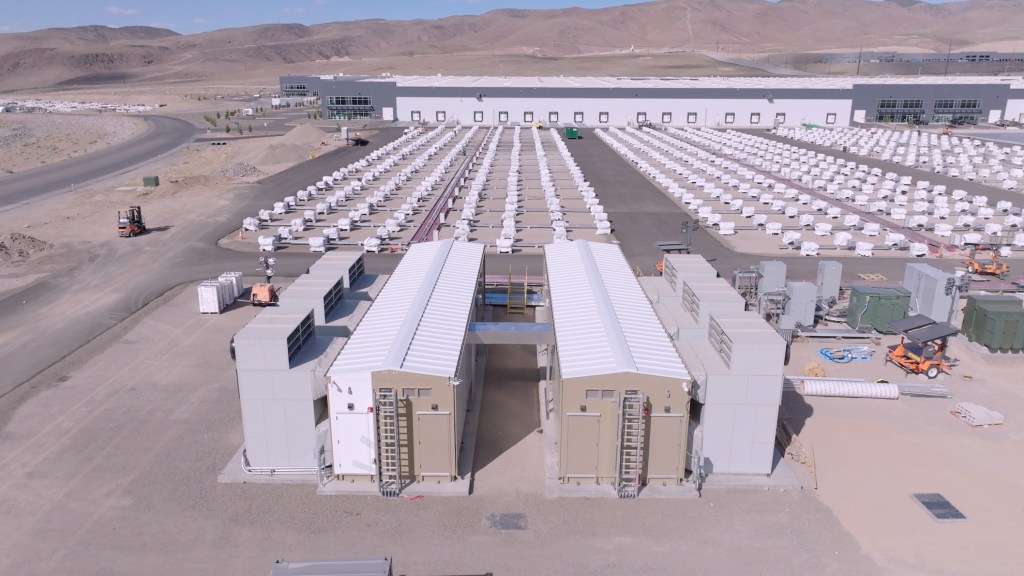
In 2017, the U.S. energy storage sector set an ambitious target: to deploy 35 gigawatts (GW) of grid-connected batteries by the end of 2025. Remarkably, as of the third quarter of 2025, the industry has not only met but exceeded this goal, installing over 40 GW of battery storage, with the year still ongoing. This achievement underscores the rapid evolution and critical role of energy storage in the nation’s power infrastructure.
Rapid Growth and Regional Impact
The third quarter alone saw the addition of 4.7 GW of battery storage, contributing to a cumulative total that now surpasses initial projections. This surge has positioned energy storage as a dominant force in the U.S. energy landscape, accounting for nearly half of all new renewable power capacity added between July and September 2025. According to the Federal Energy Regulatory Commission, renewables have led all new capacity additions this year, with energy storage playing a pivotal role.
States like Arizona, California, and Texas have been at the forefront of this expansion. These regions have faced significant grid challenges in recent years, and the integration of substantial battery storage has provided much-needed stability and resilience. The lessons learned from these deployments are now serving as blueprints for other areas, including the Midwest and East Coast, where increasing energy demands from data centers and other industries are putting additional strain on the grid.
Innovative Startups Driving the Industry
The remarkable progress in energy storage is not solely the result of large-scale utility projects; innovative startups have been instrumental in this transformation.
Redwood Materials, co-founded by former Tesla executive JB Straubel, has made significant strides by repurposing used electric vehicle (EV) batteries for grid-scale storage. Recognizing that many batteries arriving at their recycling facilities still retain substantial capacity, Redwood has launched a new business line focused on this opportunity. The company plans to deploy 20 gigawatt-hours (GWh) of battery storage by 2028, a vision bolstered by a recent $350 million investment to support this initiative.
Another notable player, Base Power, has adopted a unique approach by leasing batteries to homeowners and aggregating them into a large virtual power plant. This Austin-based startup secured $1 billion in funding in October 2025 to construct a battery manufacturing facility and expand its operations beyond Texas. To date, Base Power has deployed over 100 megawatt-hours (MWh) of batteries within the state, demonstrating the viability and scalability of decentralized energy storage solutions.
Diversifying Energy Storage Technologies
While lithium-ion batteries have dominated the market, several startups are exploring alternative technologies to enhance efficiency and reduce costs.
Energy Dome, an Italian climate startup, has developed a CO₂ Battery that utilizes carbon dioxide in a closed-loop system to store renewable energy. This innovative approach offers a cost-effective and sustainable solution for long-term energy storage. In April 2023, Energy Dome secured €40 million (~$44 million) in Series B funding to scale its operations and deploy its technology on a global scale.
Similarly, MGA Thermal, an Australian company, has created modular energy storage blocks that store energy in the form of heat. These blocks can be integrated into existing infrastructure, such as coal-fired power plants, to provide grid-scale energy storage. In August 2021, MGA Thermal raised $8 million AUD (~$5.9 million USD) to further develop and commercialize its technology.
Challenges and Future Outlook
Despite these successes, the energy storage industry faces challenges. For instance, Tesla’s energy storage division experienced a decline in deployments for two consecutive quarters in 2025, highlighting the volatility and competitive nature of the market. In the second quarter, Tesla installed 9.6 GWh of storage, down from 11 GWh in the fourth quarter of 2024. This downturn underscores the need for continuous innovation and adaptation within the sector.
Looking ahead, the energy storage industry is poised for continued growth and transformation. The integration of diverse storage technologies, coupled with supportive policies and investments, will be crucial in meeting the increasing demand for renewable energy and ensuring grid reliability. As the industry evolves, collaboration between startups, established companies, and policymakers will be essential in driving sustainable and resilient energy solutions for the future.