Article Title: TSMC’s Bold Investments in Next-Gen Silicon and AI Chips: A Game-Changer for the Tech Industry
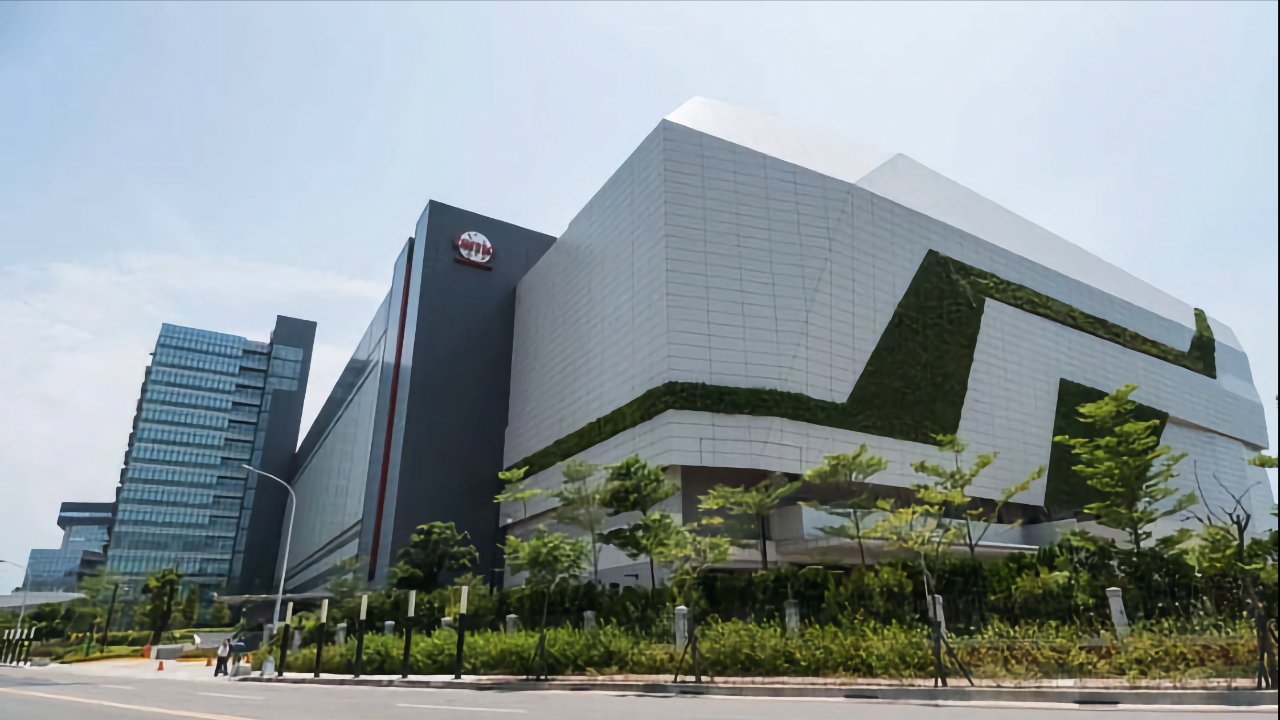
Taiwan Semiconductor Manufacturing Company (TSMC), the world’s leading contract chipmaker and a pivotal partner for tech giants like Apple, is making significant strides in semiconductor innovation. The company has announced a substantial increase in its capital expenditure, aiming to bolster its manufacturing capabilities and spearhead advancements in next-generation silicon and artificial intelligence (AI) chips.
Strategic Financial Commitment
In response to surging demand and a robust financial performance—marked by a 35% profit increase in the latest quarter—TSMC is elevating its capital expenditure by nearly 40%. This strategic investment underscores the company’s commitment to maintaining its leadership in semiconductor manufacturing and addressing the growing needs of its clientele.
Advancements in Chip Technology
TSMC is at the forefront of developing cutting-edge chip fabrication technologies. The company has unveiled its 1.6-nanometer (nm) process, known as A16, which promises enhanced performance and energy efficiency. Compared to the previous N2P 2nm process, the A16 node is expected to deliver an 8-10% speed increase and a 15-20% reduction in power consumption. A key innovation in this process is the Super Power Rail (SPR) technology, which relocates power rails to the chip’s backside, thereby increasing transistor density and improving power delivery. This advancement is particularly appealing to AI companies seeking high-performance, energy-efficient solutions.
Expansion in the United States
TSMC is also expanding its manufacturing footprint in the United States. The company has committed to building multiple fabrication plants in Arizona, with a total investment projected to reach $40 billion. The first plant is slated to commence production of 4nm process technology in 2024, followed by a second facility focusing on 3nm technology in 2026. These expansions are expected to create approximately 10,000 high-paying tech jobs, including 4,500 direct positions at TSMC. Notably, Apple CEO Tim Cook has confirmed that these Arizona plants will supply chips for Apple products, highlighting the strategic importance of this expansion.
Implications for Apple and the Tech Industry
Apple, a key client of TSMC, stands to benefit significantly from these advancements. The introduction of the A16 chip manufacturing process aligns with Apple’s focus on integrating AI capabilities into its devices. With TSMC’s new production processes, future Apple products are poised to feature faster, more efficient chips, enhancing user experiences and device performance.
Moreover, TSMC’s investment in U.S.-based manufacturing facilities aligns with broader industry trends toward diversifying supply chains and increasing domestic production capabilities. This move not only strengthens TSMC’s position in the global semiconductor market but also contributes to the resilience and security of the tech supply chain.
Conclusion
TSMC’s substantial investments in next-generation silicon and AI chip technologies, coupled with its expansion into the U.S. market, signify a transformative period for the semiconductor industry. These initiatives are set to drive innovation, meet the escalating demand for advanced chips, and reinforce partnerships with leading tech companies like Apple. As TSMC continues to push the boundaries of chip manufacturing, the ripple effects will be felt across the tech ecosystem, heralding a new era of high-performance, energy-efficient devices.