Trump Administration’s Repeal of EPA’s Endangerment Finding Sparks Environmental Concerns
In a significant policy shift, the Trump administration has officially repealed the Environmental Protection Agency’s (EPA) 2009 endangerment finding, which had identified greenhouse gases like carbon dioxide and methane as threats to human health and welfare. This finding had been the cornerstone for the EPA’s regulation of these gases under the Clean Air Act.
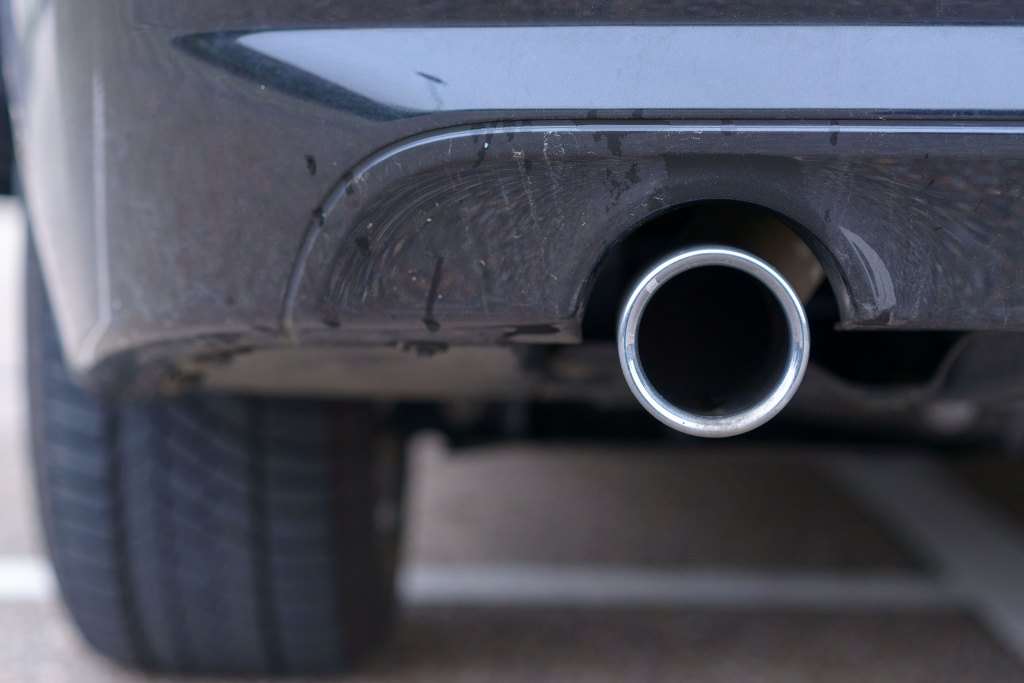
The immediate effect of this repeal is on emissions from cars and trucks, but it is anticipated to be the first in a series of changes to federal air pollution regulations. The process to fully repeal the endangerment finding is expected to be lengthy, mirroring the two years it took to establish the original finding.
EPA Administrator Lee Zeldin’s decision is projected to slow the decline in emissions by approximately 10%. While this is a notable figure, it is not sufficient to reverse the overall trend, especially considering the recent dominance of affordable renewable energy sources in new electricity-generation capacity.
Environmental advocates have expressed strong opposition to this move. Fred Krupp, president of the Environmental Defense Fund, stated, This action will only lead to more pollution, and that will lead to higher costs and real harms for American families.
The broader implications of unmitigated climate change are alarming. Projections indicate a potential increase in mortality rates by around 2% in the U.S. Additionally, global GDP could see a reduction of 17% by 2050, amounting to approximately $38 trillion.
This repeal is part of a broader pattern of environmental policy changes under the Trump administration. In May 2025, the administration announced plans to terminate the Energy Star program, a public-private partnership that had been instrumental in helping consumers save a collective $40 billion annually on energy costs. The program, with a modest budget of $32 million, certified energy-efficient products and assisted consumers in finding rebates to lower purchase costs. Paula Glover, president of the Alliance to Save Energy, criticized the decision, stating that eliminating the program would contradict the administration’s promise to reduce household energy costs.
Further, in December 2025, the administration proposed rolling back fuel economy standards for cars and light trucks. The new proposal aimed to reduce the fleet-wide fuel economy to 34.5 miles per gallon for 2031 model-year vehicles, a significant decrease from the previous standard of 50.4 mpg set under the Biden administration. This change also reclassified crossovers as cars instead of light trucks and eliminated automakers’ ability to trade electric vehicle credits.
The administration’s approach to environmental regulations has also included relaxing enforcement during the COVID-19 pandemic. In March 2020, the EPA announced a temporary relaxation of environmental regulations and fines, citing challenges posed by the pandemic. This policy allowed companies to forego certain compliance monitoring and reporting if they could demonstrate that noncompliance was caused by the pandemic, raising concerns about increased pollution and reduced transparency.
Critics argue that these policy changes collectively undermine efforts to combat climate change and protect public health. The repeal of the endangerment finding, in particular, is seen as a significant step backward in environmental protection, potentially leading to increased greenhouse gas emissions and exacerbating the adverse effects of climate change.
As the administration continues to implement these regulatory changes, environmental groups and concerned citizens are likely to challenge these decisions through legal avenues and public advocacy, emphasizing the importance of maintaining robust environmental protections for the health and welfare of current and future generations.