Top 10 Server Monitoring Tools to Optimize Your IT Infrastructure in 2026
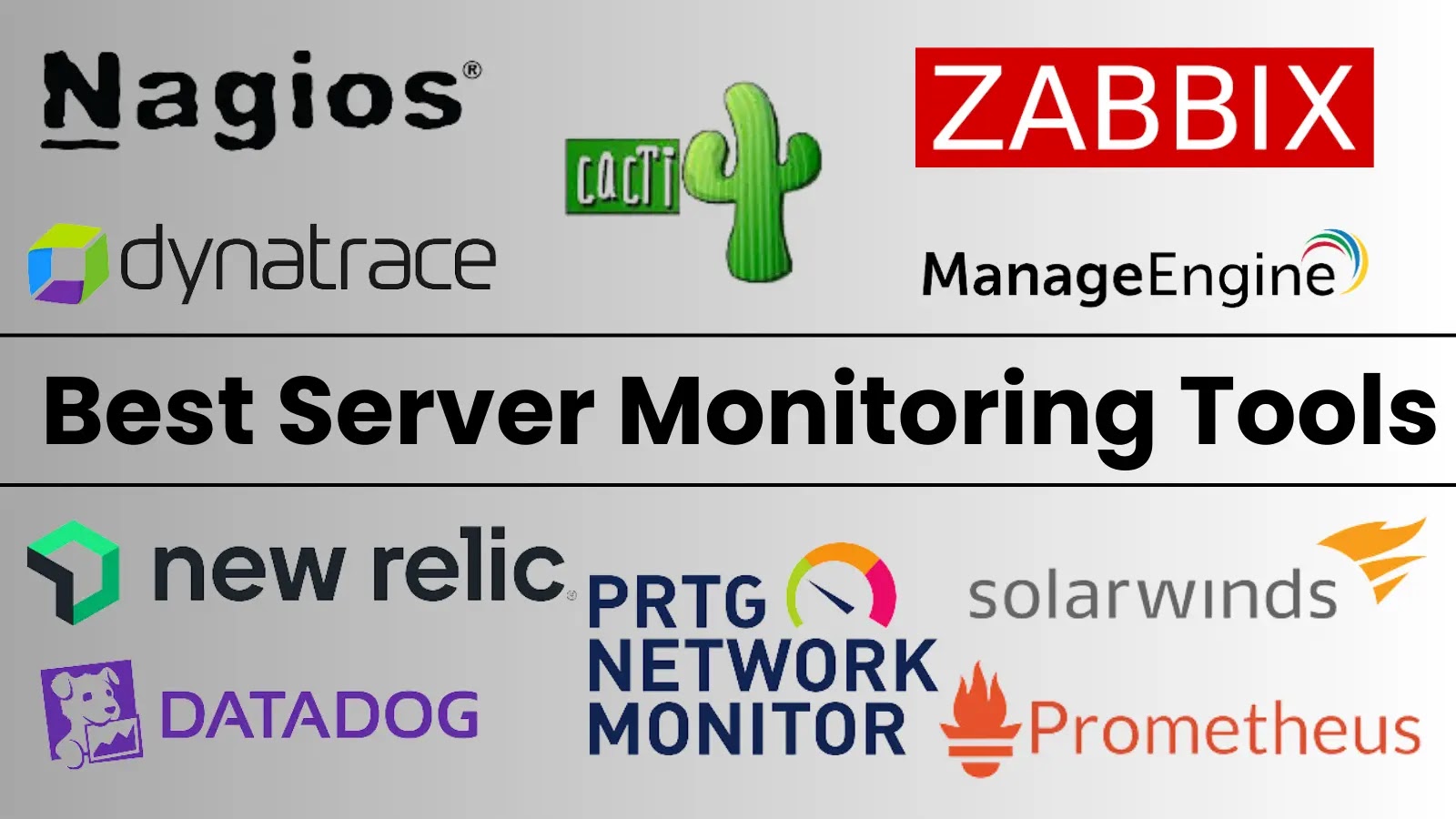
In today’s rapidly evolving digital landscape, maintaining the health and performance of your IT infrastructure is paramount. Server monitoring tools play a crucial role in this endeavor by providing real-time insights into various system metrics, enabling proactive issue resolution, and ensuring optimal performance. Here, we explore the top 10 server monitoring tools of 2026, highlighting their key features, advantages, and potential drawbacks to help you make an informed decision.
1. Zabbix
Overview:
Zabbix is a robust open-source monitoring solution that offers real-time monitoring, alerting, and visualization for network devices, servers, and applications. Its scalability and customization options make it suitable for both small and large enterprises.
Key Features:
– Unified Monitoring: Monitors networks, servers, and applications from a single interface.
– Customizable Dashboards: Provides flexible visualization options to suit various monitoring needs.
– SNMP Monitoring: Supports Simple Network Management Protocol for efficient network device monitoring.
– Application Tracking: Monitors application performance and availability.
Pros:
– Scalability: Handles large-scale environments effectively.
– Customization: Highly adaptable to specific monitoring requirements.
– Cost-Effective: Being open-source, it reduces licensing costs.
Cons:
– Complex Setup: Initial configuration can be challenging for beginners.
– Resource Intensive: May require significant system resources for large deployments.
2. Prometheus
Overview:
Prometheus is an open-source system monitoring and alerting toolkit designed for reliability and scalability. It excels in collecting time-series data and offers a powerful query language for data analysis.
Key Features:
– Time-Series Data Collection: Efficiently gathers and stores metrics over time.
– Powerful Query Language: Allows complex queries for in-depth analysis.
– Built-in Alerting: Provides a flexible alerting system to notify of potential issues.
– Service Discovery: Automatically detects targets to monitor.
Pros:
– Scalability: Handles large volumes of data effectively.
– Community Support: Strong open-source community for assistance and development.
– Integration: Easily integrates with various visualization tools like Grafana.
Cons:
– Steep Learning Curve: Requires time to master its query language and configuration.
– Limited Windows Support: Primarily designed for Unix-based systems.
3. Nagios
Overview:
Nagios is a comprehensive monitoring system that provides alerting and reporting for servers, switches, applications, and services. Its extensive plugin ecosystem allows for tailored monitoring setups.
Key Features:
– Extensive Plugin Support: Thousands of plugins available for various monitoring needs.
– Alerting and Event Management: Notifies administrators of issues via multiple channels.
– Performance Visualization: Offers graphical representations of performance data.
– Scalability: Suitable for both small and large network infrastructures.
Pros:
– Flexibility: Highly customizable through plugins and configurations.
– Community Support: Large user base providing extensive resources and support.
– Proven Reliability: Established track record in the monitoring space.
Cons:
– Complex Configuration: Initial setup can be intricate and time-consuming.
– Resource Usage: Can be resource-intensive, especially in large deployments.
4. SolarWinds Server & Application Monitor
Overview:
SolarWinds Server & Application Monitor (SAM) is a comprehensive tool that tracks the performance and availability of servers and applications, providing deep insights into system health.
Key Features:
– Application Performance Monitoring (APM): Monitors the performance of various applications.
– Infrastructure Surveillance: Keeps an eye on server hardware and virtual environments.
– Real-Time Analytics: Provides immediate insights into system performance.
– End-User Monitoring (EUM): Assesses the user experience to identify potential issues.
Pros:
– Comprehensive Coverage: Monitors a wide range of applications and servers.
– User-Friendly Interface: Intuitive dashboards and reports.
– Scalability: Suitable for growing infrastructures.
Cons:
– Cost: Premium pricing may be a barrier for smaller organizations.
– Resource Intensive: Requires significant system resources for optimal performance.
5. Cacti
Overview:
Cacti is an all-in-one network monitoring solution that provides bandwidth, uptime, and performance monitoring through an intuitive interface.
Key Features:
– Custom Sensor Design: Allows creation of tailored monitoring sensors.
– Virtualization Tracking: Monitors virtual environments effectively.
– Database Surveillance: Keeps track of database performance and health.
– Integration: Connects with other systems and tools for enhanced monitoring.
Pros:
– Open-Source: Free to use with a supportive community.
– Customization: Highly adaptable to specific monitoring needs.
– Lightweight: Minimal resource consumption.
Cons:
– Limited Features: Lacks some advanced functionalities found in other tools.
– Manual Configuration: Requires manual setup for certain features.
6. Datadog
Overview:
Datadog is a cloud-based monitoring service that provides real-time observability for infrastructure, applications, and logs, offering a unified view of your entire stack.
Key Features:
– Infrastructure Monitoring: Tracks servers, containers, and cloud services.
– Application Performance Monitoring (APM): Monitors application performance and user experience.
– Log Management: Aggregates and analyzes logs from various sources.
– Real User Monitoring (RUM): Assesses real user interactions with applications.
Pros:
– Comprehensive Monitoring: Covers a wide range of monitoring needs.
– Scalability: Handles large-scale environments effectively.
– Integration: Supports numerous integrations with other tools and services.
Cons:
– Cost: Pricing can escalate with increased usage.
– Complexity: May be overwhelming for beginners due to its extensive features.
7. PRTG Network Monitor
Overview:
PRTG Network Monitor is an all-in-one network monitoring solution that provides insight and control over your network’s infrastructure, devices, and applications.
Key Features:
– Real-Time Performance Monitoring: Monitors network performance, devices, bandwidth, and server health.
– Customizable Sensors: Offers a variety of predefined sensors for monitoring various characteristics.
– Scalability: Suitable for both small and large networks.
– Remote Monitoring: Allows monitoring of distributed environments.
Pros:
– Ease of Use: User-friendly interface with intuitive dashboards.
– Comprehensive Monitoring: Covers a wide range of monitoring needs.
– Customization: Highly adaptable to specific requirements.
Cons:
– Cost: Premium pricing may be a barrier for smaller organizations.
– Resource Intensive: Can be demanding on system resources.
8. New Relic
Overview:
New Relic Server Monitoring is a real-time tool designed to monitor server performance and health, providing detailed performance monitoring and diagnostics for applications and infrastructure.
Key Features:
– Application Performance Monitoring (APM): Monitors the performance of various applications.
– Infrastructure Surveillance: Keeps an eye on server hardware and virtual environments.
– Real-Time Analytics: Provides immediate insights into system performance.
– End-User Monitoring (EUM): Assesses the user experience to identify potential issues.
Pros:
– Comprehensive Monitoring: Covers a wide range of applications and servers.
– User-Friendly Interface: Intuitive dashboards and reports.
– Integration: Supports numerous integrations with other tools and services.
Cons:
– Cost: Pricing can escalate with increased usage.
– Complexity: May be overwhelming for beginners
Article X Post:
Hashtags:
Article Key Phrase:
Category: Security News