As organizations increasingly adopt Infrastructure as Code (IaC) to automate and scale their cloud environments, securing these configurations has become paramount. IaC allows teams to define infrastructure through code, enabling faster deployments and greater agility. However, this approach also introduces potential misconfigurations and vulnerabilities that malicious actors can exploit. To address these challenges, specialized scanning tools have been developed to analyze IaC templates, enforce security compliance, and strengthen cloud setups against risks. Integrating these tools is essential for building resilient systems in today’s dynamic threat landscape.
Understanding Infrastructure as Code (IaC) Scanning
IaC scanning involves analyzing configuration files to identify security vulnerabilities, misconfigurations, and compliance violations before deploying infrastructure. The process typically includes:
1. Policy Definition: Utilizing predefined or custom security and compliance policies based on industry standards (e.g., CIS Benchmarks) or organizational requirements.
2. Integration into Workflows: Embedding scanning tools into development workflows, such as CI/CD pipelines or version control systems, to automate scans during code commits or pre-deployment stages.
3. Static Analysis: Performing static analysis of IaC templates (e.g., Terraform, CloudFormation, Kubernetes manifests) to detect issues like insecure configurations, excessive permissions, unencrypted data, or non-compliance with policies.
4. Execution and Reporting: Generating detailed reports that highlight vulnerabilities, their severity levels, and recommendations for remediation, providing actionable feedback directly within developer tools.
5. Continuous Improvement: Refining policies and scanning processes to address new threats and improve detection accuracy, ensuring infrastructure remains secure over time.
By embedding IaC scanning into the development lifecycle, organizations can proactively identify and address risks early, reducing the likelihood of deploying insecure infrastructure into production environments.
Top 5 IaC Vulnerability Scanning Tools in 2026
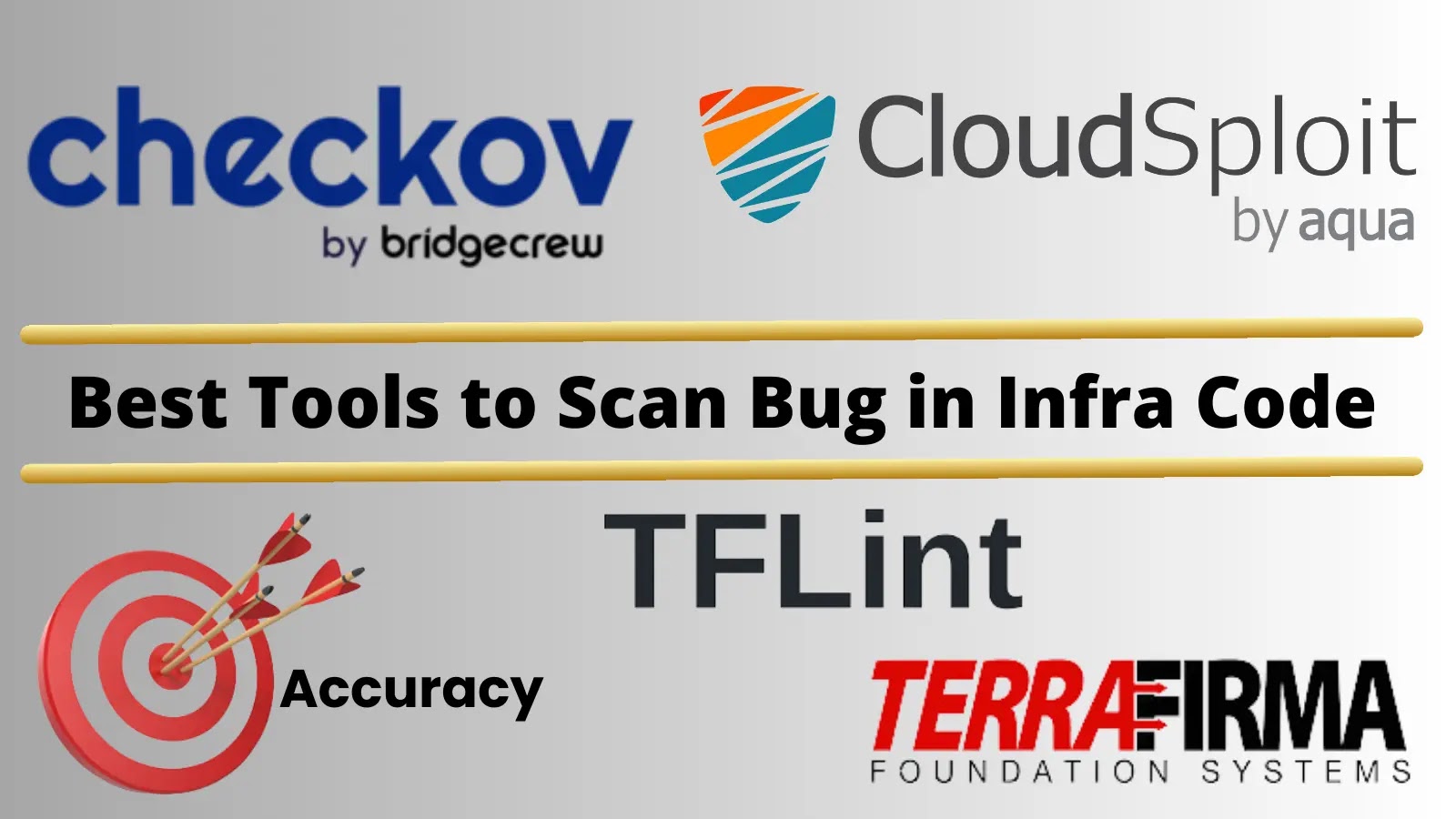
Several tools have emerged to assist organizations in securing their IaC configurations. Here are five notable IaC vulnerability scanning tools:
1. Checkov: An open-source tool that supports multiple IaC frameworks, including Terraform, CloudFormation, and Kubernetes. It offers a comprehensive rule set, allows for custom rule development, and integrates seamlessly with CI/CD pipelines.
2. TFLint: Specifically designed for Terraform, TFLint focuses on detecting errors and enforcing best practices. It provides plugin support for custom rules and integrates well with various development workflows.
3. KICS (Keeping Infrastructure as Code Secure): An open-source solution that supports a wide range of IaC frameworks. KICS offers a vast library of predefined queries to detect vulnerabilities and misconfigurations, along with the ability to create custom queries.
4. Terrascan: Developed by Tenable, Terrascan supports multiple IaC frameworks and provides extensive policy libraries. It integrates with CI/CD pipelines and offers features like drift detection to identify changes in deployed infrastructure.
5. Snyk IaC: A commercial tool that supports various IaC frameworks and offers real-time feedback during development. Snyk IaC integrates with popular version control systems and CI/CD pipelines, providing detailed remediation guidance.
Implementing IaC Scanning in Your Organization
To effectively implement IaC scanning, organizations should:
– Define Security Policies: Establish clear security and compliance policies that align with industry standards and organizational requirements.
– Integrate Scanning Tools: Embed IaC scanning tools into development workflows to automate the detection of vulnerabilities and misconfigurations.
– Educate Teams: Provide training for development and operations teams on the importance of IaC security and how to use scanning tools effectively.
– Monitor and Improve: Continuously monitor scanning results, address identified issues promptly, and refine policies and processes to adapt to evolving threats.
By adopting these practices, organizations can enhance the security of their cloud environments and mitigate risks associated with IaC misconfigurations.
Conclusion
As Infrastructure as Code becomes a standard practice for managing cloud infrastructure, securing these configurations is crucial. Utilizing IaC vulnerability scanning tools enables organizations to detect and remediate potential issues early in the development process, ensuring robust and secure cloud deployments.
Twitter Post:
Enhance your cloud security with top IaC scanning tools! Discover the best solutions to detect vulnerabilities and ensure compliance in your infrastructure. #IaC #CloudSecurity #DevSecOps
Focus Key Phrase:
Infrastructure as Code vulnerability scanning tools
Article X Post:
Hashtags:
Article Key Phrase:
Category: Security News