Top 10 DevOps Tools to Enhance Security in 2026
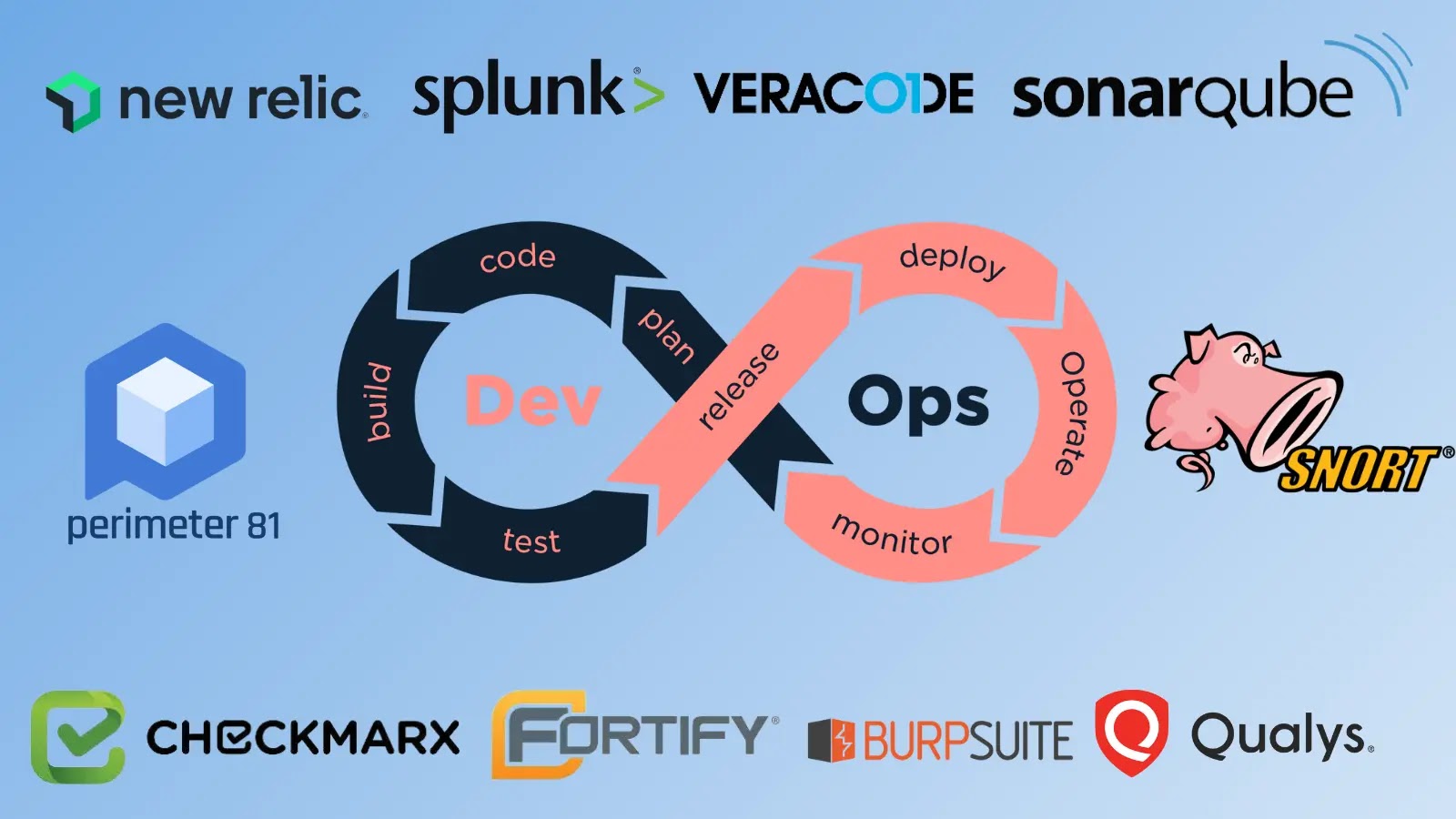
In the rapidly evolving landscape of software development, integrating security into the DevOps pipeline—commonly referred to as DevSecOps—has become imperative. This approach ensures that security measures are embedded throughout the development lifecycle, mitigating risks and enhancing the overall quality of software releases. To achieve this, leveraging specialized DevOps tools designed with security in mind is essential. Below is a curated list of the top 10 DevOps tools for 2026 that can help organizations fortify their security posture:
1. Perimeter 81
Perimeter 81 offers a comprehensive cloud-based network security solution tailored for modern enterprises. It provides secure access to on-premises and cloud resources through its Zero Trust Network Access (ZTNA) model. Key features include:
– Zero Trust Security: Ensures that access is granted based on strict identity verification, reducing the risk of unauthorized access.
– Seamless Integration: Easily integrates with existing infrastructure, facilitating a smooth transition to a more secure network architecture.
– User-Friendly Interface: Offers an intuitive dashboard for managing network security policies and monitoring access logs.
2. SonarQube
SonarQube is an open-source platform that continuously inspects code quality and security vulnerabilities. It supports multiple programming languages and integrates seamlessly into CI/CD pipelines. Notable features include:
– Static Code Analysis: Identifies bugs, code smells, and security vulnerabilities early in the development process.
– Quality Gates: Enforces predefined quality standards before code is merged or deployed.
– Extensive Language Support: Supports over 25 programming languages, making it versatile for diverse development teams.
3. Checkmarx
Checkmarx provides a suite of application security testing tools that integrate into the DevOps pipeline, ensuring vulnerabilities are detected and remediated promptly. Key offerings include:
– Static Application Security Testing (SAST): Analyzes source code for security flaws without executing the program.
– Interactive Application Security Testing (IAST): Combines static and dynamic analysis to identify vulnerabilities during runtime.
– Software Composition Analysis (SCA): Detects vulnerabilities in open-source components and third-party libraries.
4. Snort
Snort is an open-source intrusion detection and prevention system (IDS/IPS) that monitors network traffic for malicious activity. Its features include:
– Real-Time Traffic Analysis: Detects and alerts on suspicious network behavior.
– Customizable Rules: Allows users to define specific rules tailored to their network environment.
– Community Support: Backed by a robust community that regularly updates rule sets to address emerging threats.
5. Burp Suite
Burp Suite is a comprehensive platform for web application security testing. It’s widely used by security professionals to identify vulnerabilities in web applications. Key features include:
– Automated Scanning: Identifies common web vulnerabilities such as SQL injection and cross-site scripting (XSS).
– Manual Testing Tools: Provides a suite of tools for in-depth manual security assessments.
– Extensibility: Supports extensions and plugins to enhance functionality.
6. New Relic
New Relic offers a suite of observability tools that provide real-time insights into application performance and security. Its features include:
– Application Performance Monitoring (APM): Tracks application metrics to identify performance bottlenecks.
– Infrastructure Monitoring: Monitors servers, containers, and cloud services for health and performance.
– Security Monitoring: Detects and alerts on security anomalies within the application stack.
7. Qualys
Qualys provides cloud-based security and compliance solutions, offering a unified platform for vulnerability management. Key features include:
– Continuous Monitoring: Identifies vulnerabilities in real-time across the entire IT environment.
– Compliance Reporting: Ensures adherence to industry standards and regulations.
– Asset Inventory: Maintains an up-to-date inventory of all IT assets, aiding in risk assessment.
8. Veracode
Veracode delivers application security solutions that integrate into the software development lifecycle. Its offerings include:
– Static Analysis: Scans code for vulnerabilities without executing it.
– Dynamic Analysis: Tests running applications for security flaws.
– Software Composition Analysis: Identifies vulnerabilities in open-source components.
9. Fortify Software
Fortify Software, by Micro Focus, provides application security solutions that help organizations identify and remediate vulnerabilities. Key features include:
– Static Code Analyzer: Detects security issues in source code.
– Dynamic Application Security Testing: Assesses running applications for vulnerabilities.
– Integration with DevOps Tools: Seamlessly integrates with popular CI/CD tools for automated security testing.
10. Aqua Security
Aqua Security specializes in securing containerized applications and cloud-native environments. Its features include:
– Container Security: Scans container images for vulnerabilities and misconfigurations.
– Runtime Protection: Monitors running containers for suspicious activity.
– Compliance Enforcement: Ensures containers adhere to security policies and standards.
Conclusion
Integrating security into the DevOps pipeline is no longer optional; it’s a necessity in today’s threat landscape. By adopting these top 10 DevOps tools, organizations can proactively identify and mitigate vulnerabilities, ensuring the delivery of secure and reliable software. Embracing a DevSecOps approach not only enhances security but also fosters a culture of collaboration and continuous improvement within development and operations teams.