Thinking Machines Lab Faces Leadership Shake-Up as Co-Founders Return to OpenAI
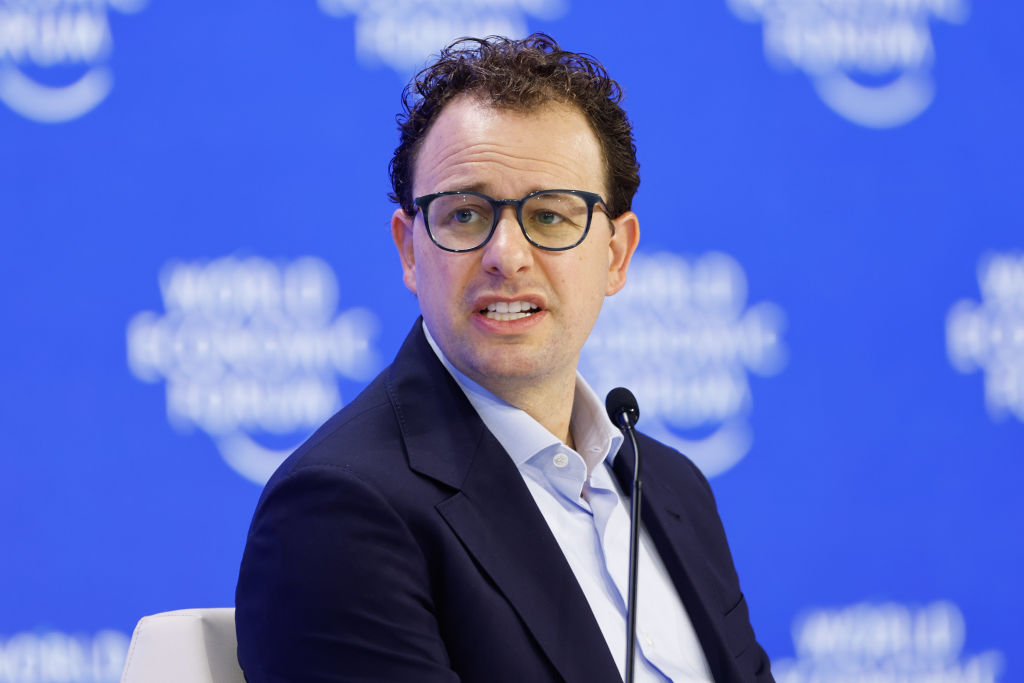
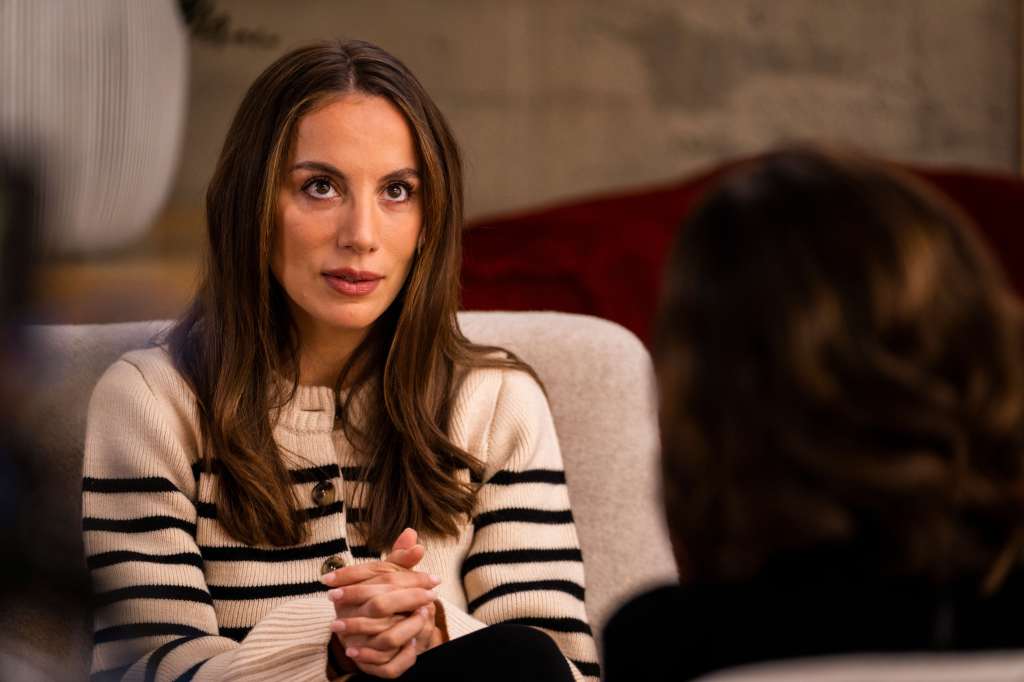
In a significant shift within the artificial intelligence sector, Thinking Machines Lab, the startup founded by former OpenAI Chief Technology Officer Mira Murati, is experiencing the departure of two of its co-founders, Barret Zoph and Luke Metz, who are returning to OpenAI. Additionally, Sam Schoenholz, another former OpenAI staffer who had joined Thinking Machines Lab, is also making his way back to OpenAI.
On January 14, 2026, Murati announced via social media the departure of Barret Zoph, the company’s co-founder and Chief Technology Officer. In her statement, she expressed gratitude for Zoph’s contributions and introduced Soumith Chintala as the new CTO. Chintala is recognized for his extensive experience and significant contributions to the AI field over the past decade.
Shortly after Murati’s announcement, Fidji Simo, OpenAI’s CEO of Applications, revealed that Zoph, Metz, and Schoenholz would be rejoining OpenAI. This move underscores the dynamic and competitive nature of talent acquisition within the AI industry.
Barret Zoph previously held the position of Vice President of Research at OpenAI before joining Thinking Machines Lab. His return to OpenAI suggests a strategic realignment of talent and expertise. Luke Metz, another co-founder of Thinking Machines Lab, had an extensive tenure at OpenAI, contributing significantly to the company’s technical advancements. Sam Schoenholz, whose LinkedIn profile still lists him as part of Thinking Machines Lab, also has a history with OpenAI, indicating a strong professional connection that has influenced his decision to return.
Mira Murati, who served as OpenAI’s CTO until September 2024, left the organization to establish Thinking Machines Lab alongside Zoph and Metz. The startup quickly garnered substantial financial backing, securing a $2 billion seed round in July 2025, led by Andreessen Horowitz, with participation from Accel, Nvidia, AMD, and Jane Street, among others. This funding round valued the company at $12 billion, reflecting the high expectations and confidence investors placed in the venture.
The departure of key co-founders from a startup less than a year after its inception is particularly noteworthy. Such movements highlight the fluidity and competitiveness of the AI industry, where top talent is in high demand, and strategic shifts are common. The loss of two co-founders, especially one serving as CTO, could be perceived as a significant setback for Thinking Machines Lab, which had assembled a high-profile team of former OpenAI, Meta, and Mistral AI researchers.
This development also underscores the ongoing talent wars among leading AI organizations. OpenAI’s ability to re-attract former employees speaks to its influential position in the industry and its commitment to advancing AI research and development.
As the AI landscape continues to evolve rapidly, such shifts in leadership and talent are expected to have far-reaching implications for the strategies and innovations of the companies involved. Stakeholders and observers will be keenly watching how Thinking Machines Lab navigates this transition and how OpenAI integrates returning talent into its ongoing projects.