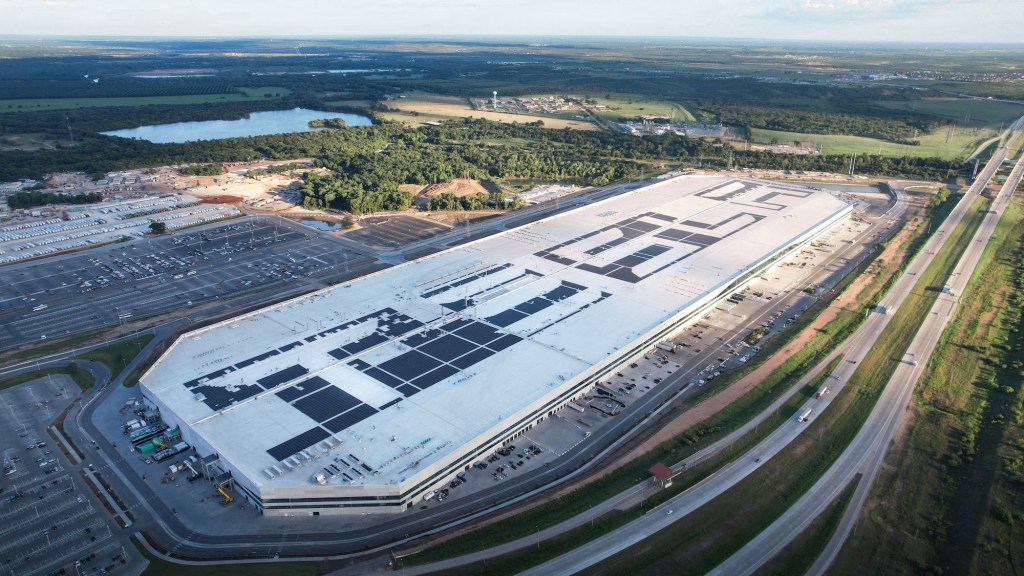
Tesla’s Texas Factory Faces 22% Workforce Reduction Amid Declining Sales
In 2025, Tesla’s manufacturing facility near Austin, Texas, experienced a significant workforce reduction, with employee numbers decreasing by 22%. The factory’s staff count dropped from 21,191 in 2024 to 16,506 in 2025. This decline occurred despite Tesla’s global workforce expanding from 125,665 employees in 2024 to 134,785 in 2025, as reported in filings with the U.S. Securities and Exchange Commission.
The specific departments affected by the workforce reduction at the Texas plant remain unclear. Since its inauguration in 2022, the facility has become a major employer in the Austin region. CEO Elon Musk relocated Tesla’s headquarters to this site in 2021, prior to the factory’s opening. To date, the company has invested over $6.3 billion into the facility.
This workforce reduction aligns with Tesla’s broader financial challenges. In 2025, the company reported a 46% decrease in profits compared to the previous year, attributing the decline to factors such as Musk’s involvement in the Trump administration and the elimination of federal electric vehicle subsidies by Congress, which led to a drop in sales. Tesla’s profit for 2025 was $3.8 billion, marking its lowest in years, with total revenue from car sales falling by 11% year-over-year. The company delivered 1.63 million cars globally in 2025, marking the second consecutive year of declining sales.
In response to these challenges, Tesla has been diversifying its operations. In July 2025, the company signed a $16.5 billion deal with Samsung to produce its next-generation AI6 chips. These chips are designed to power Tesla’s Full Self-Driving system, Optimus humanoid robots, and high-performance AI training in data centers. Additionally, Tesla has been investing in energy solutions, with its energy storage and solar businesses experiencing a 25% revenue growth compared to 2024.
The automotive industry as a whole has been facing similar challenges. In October 2025, General Motors announced layoffs affecting thousands of workers across multiple electric vehicle and battery plants in the U.S., including placing around 1,200 employees at its Detroit EV factory on indefinite layoff. These industry-wide challenges underscore the difficulties automakers face in balancing production, workforce management, and financial performance amid evolving market conditions.