Tesla’s New FSD Update Permits Texting While Driving, Raising Legal and Safety Concerns
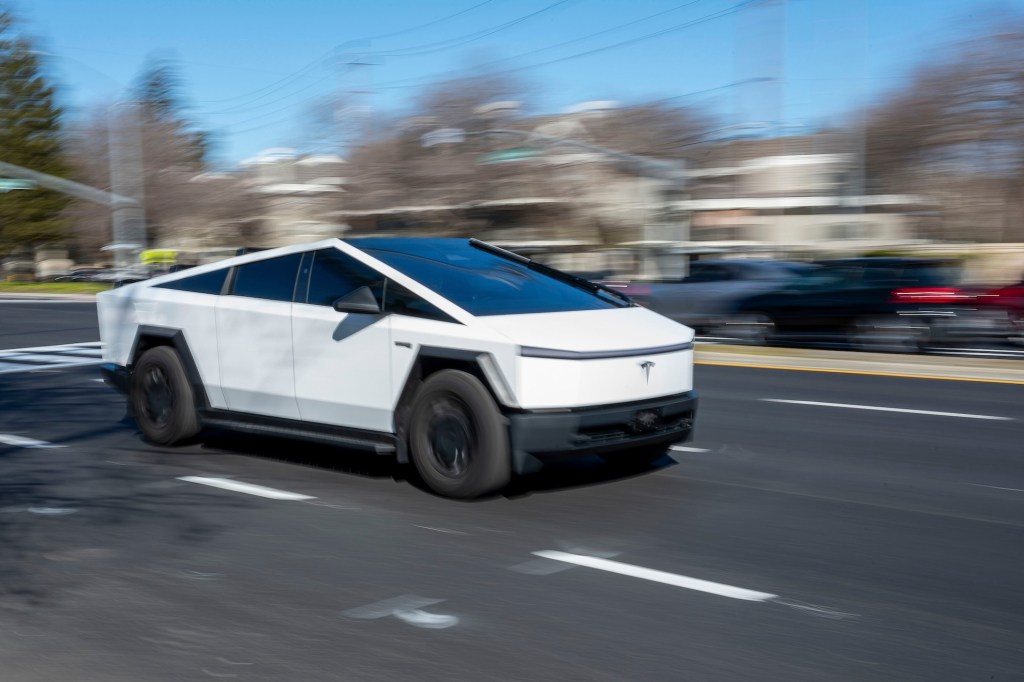
Tesla’s latest Full Self-Driving (FSD) software update has introduced a feature that allows drivers to text while driving, a practice prohibited in most U.S. states. This development has sparked significant debate regarding its legality and safety implications.
Elon Musk’s Announcement
On December 4, 2025, Tesla CEO Elon Musk responded to a user’s observation on X (formerly Twitter) about the new FSD update not issuing warnings when the driver used their phone. Musk confirmed that the update permits texting while driving, stating it depends on the context of surrounding traffic. This statement suggests that the system may allow phone use in specific traffic conditions, though Musk did not provide further details.
Legal Landscape
Texting while driving is illegal in nearly all 50 U.S. states, with approximately half also banning any handheld phone use while operating a vehicle. These laws aim to reduce distractions and enhance road safety. Tesla’s new feature raises questions about compliance with these regulations, as the software’s allowance does not override state laws.
FSD’s Capabilities and Limitations
Tesla’s FSD is classified as a Level 2 driver-assistance system, meaning it requires continuous driver supervision. The system utilizes in-cabin cameras and steering wheel sensors to monitor driver attentiveness. Despite its name, FSD does not render Tesla vehicles fully autonomous; drivers must remain prepared to take control at any moment. This necessity underscores the potential risks of allowing activities like texting while driving, even with advanced driver-assistance systems.
Safety Concerns and Regulatory Scrutiny
The introduction of this feature has intensified concerns about driver complacency and overreliance on automation. The National Highway Traffic Safety Administration (NHTSA) is investigating Tesla’s FSD software following reports of vehicles running red lights and crossing into incorrect lanes. These incidents highlight the importance of maintaining driver engagement and the potential dangers of distractions, such as texting, even when advanced driver-assistance systems are active.
Industry and Public Response
The automotive industry and safety advocates have expressed apprehension about Tesla’s decision. Critics argue that permitting texting while driving, even under certain conditions, could lead to increased accidents and undermine efforts to promote safe driving behaviors. They emphasize that driver-assistance technologies should enhance safety without encouraging risky behaviors.
Conclusion
Tesla’s latest FSD update, which allows texting while driving under specific conditions, has ignited a complex discussion about the intersection of technology, legality, and safety. While the feature may offer convenience, it challenges existing laws and raises significant safety concerns. As driver-assistance technologies evolve, it is crucial to balance innovation with adherence to legal standards and the paramount importance of road safety.