Article Title: Tesla Ends Production of Model S and Model X to Focus on Robotics
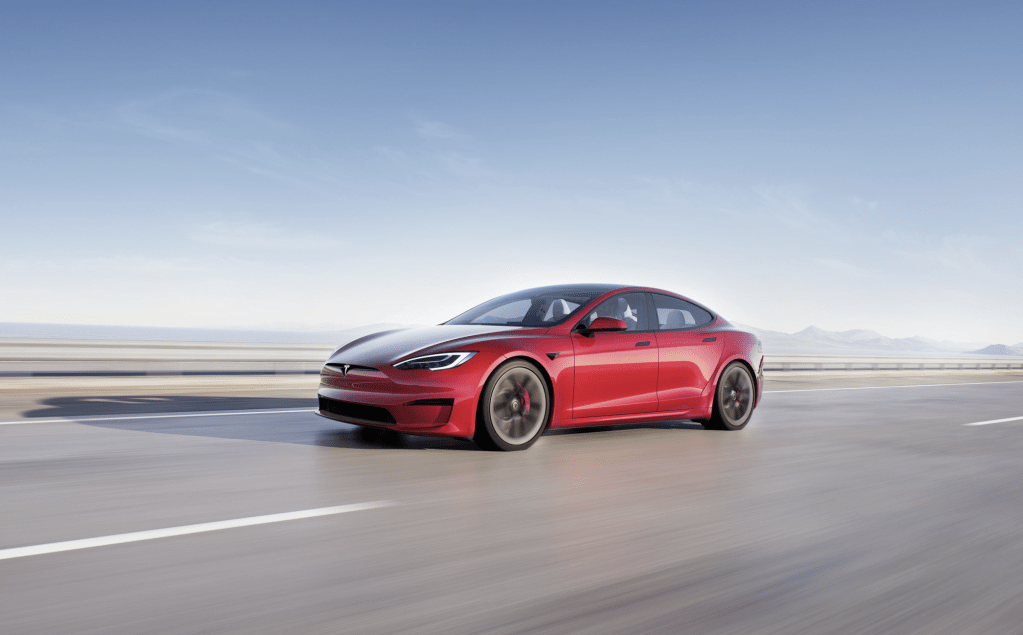
In a significant strategic shift, Tesla has announced the discontinuation of its flagship vehicles, the Model S sedan and Model X SUV, by the end of the second quarter of 2026. This decision, revealed by CEO Elon Musk during the company’s fourth-quarter 2025 earnings call, marks the end of an era for the electric vehicle (EV) pioneer and signals a new focus on autonomous technology and robotics.
A Pioneering Legacy
Introduced in 2012, the Model S was Tesla’s first ground-up design, setting new standards for electric vehicles with its impressive range, performance, and innovative features. The Model X followed in 2015, offering a luxury SUV experience with distinctive falcon-wing doors and advanced technology. Together, these models played a crucial role in establishing Tesla as a leader in the EV market.
Declining Sales and Market Shifts
Despite their initial success, both models have experienced declining sales in recent years. Tesla ceased reporting individual sales figures for the Model S and Model X in 2023, grouping them under the other models category alongside the Cybertruck and Tesla Semi. By late 2024, combined global sales for these vehicles had dropped below 50,000 units, with deliveries falling over 30% year-over-year. In 2025, the other models category accounted for 50,850 units, but this figure included newer models, suggesting that actual sales for the Model S and Model X were even lower.
Strategic Realignment Towards Autonomy
Elon Musk cited the company’s shift towards autonomy as a primary reason for ending production of these models. It’s time to bring the Model S and X programs to an end with an honorable discharge because we’re really moving into a future that is based on autonomy, Musk stated during the earnings call. This move aligns with Tesla’s broader strategy to focus on autonomous driving technology and the development of humanoid robots.
Transition to Robotics Production
The Fremont, California factory, which currently manufactures the Model S and Model X, will be repurposed to produce Tesla’s humanoid robot, Optimus. Musk announced plans to manufacture one million Optimus robots annually, emphasizing the company’s commitment to advancing robotics and artificial intelligence. This transition reflects Tesla’s ambition to lead in the emerging field of humanoid robotics, leveraging its expertise in automation and AI.
Global Market Implications
The discontinuation of the Model S and Model X has been preceded by Tesla’s gradual withdrawal of these models from various international markets. In 2023, Tesla ceased production of right-hand drive versions, effectively pulling them from markets such as the UK and Australia. Earlier in 2025, the company stopped accepting orders for these models in China and Europe, limiting availability to remaining inventory. These steps indicate a strategic realignment towards more popular and affordable models like the Model 3 and Model Y, which have become the mainstay of Tesla’s lineup.
Customer Support and After-Sales Service
Despite ending production, Tesla has assured existing Model S and Model X owners that support and after-sales service will continue. Musk emphasized the company’s commitment to maintaining service for these vehicles for as long as people have the vehicles. This assurance aims to maintain customer trust and satisfaction as Tesla transitions its focus to new technological frontiers.
Conclusion
Tesla’s decision to discontinue the Model S and Model X marks a pivotal moment in the company’s evolution. While these vehicles were instrumental in establishing Tesla’s reputation and advancing the adoption of electric vehicles, the company’s strategic shift towards autonomy and robotics reflects its vision for the future. As Tesla continues to innovate, the legacy of the Model S and Model X will remain a testament to the company’s pioneering spirit in the automotive industry.