Tesla’s Strategic Shift: Phasing Out Autopilot to Embrace Full Self-Driving
Introduction
In a significant move, Tesla has announced the discontinuation of its Autopilot system, a staple in its vehicles since 2014. This decision marks a pivotal shift towards promoting its more advanced Full Self-Driving (FSD) technology. Concurrently, the National Transportation Safety Board (NTSB) has initiated an investigation into Waymo’s autonomous vehicles following reports of traffic violations involving school buses. These developments underscore the rapidly evolving landscape of autonomous driving and the regulatory challenges accompanying it.
Tesla’s Transition from Autopilot to Full Self-Driving
The End of an Era
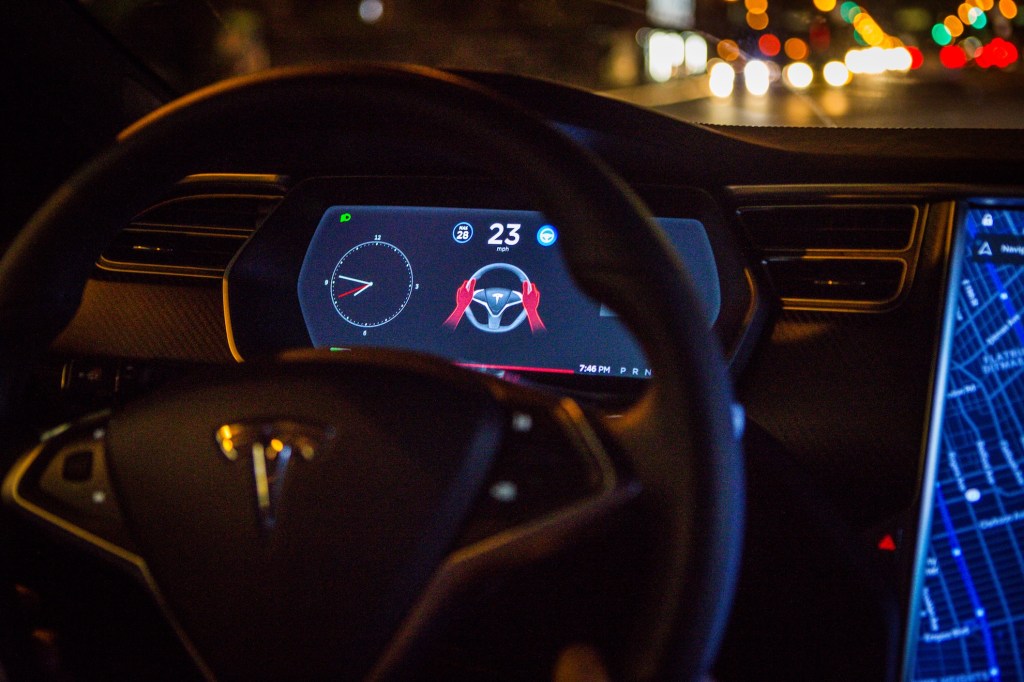
Autopilot, introduced in 2014, combined Traffic-Aware Cruise Control and Autosteer, offering drivers a semi-automated driving experience. Over the years, it became a standard feature in Tesla vehicles, symbolizing the company’s commitment to innovation. However, the system faced criticism for its nomenclature, which some argued implied capabilities beyond its actual functionality.
Embracing Full Self-Driving
Tesla’s decision to phase out Autopilot aligns with its strategy to accelerate the adoption of Full Self-Driving (FSD) technology. FSD offers a more comprehensive suite of features, including automated lane changes, parking assistance, and traffic light recognition. By focusing on FSD, Tesla aims to provide a more robust and autonomous driving experience, moving closer to its vision of fully self-driving vehicles.
Regulatory Challenges and Market Dynamics
This transition comes amid regulatory scrutiny. In December 2025, a California judge ruled that Tesla had engaged in deceptive marketing by overstating Autopilot’s capabilities, leading to a 30-day suspension of its manufacturing and dealer licenses in the state. The California Department of Motor Vehicles stayed the ruling for 60 days, allowing Tesla to comply by discontinuing the Autopilot name. This regulatory pressure likely influenced Tesla’s decision to retire Autopilot and focus on FSD.
Waymo Under NTSB Investigation
Allegations of Traffic Violations
The NTSB has opened an investigation into Waymo after multiple reports of its autonomous vehicles illegally passing stopped school buses in at least two states. This probe highlights the ongoing challenges autonomous vehicle companies face in ensuring their systems adhere to traffic laws and public safety standards.
Safety and Public Trust
Waymo, a subsidiary of Alphabet Inc., has been at the forefront of autonomous driving technology. However, incidents like these can erode public trust and raise questions about the readiness of autonomous vehicles for widespread deployment. The outcome of the NTSB investigation will be crucial in determining the future regulatory landscape for autonomous vehicles.
Broader Implications for the Autonomous Vehicle Industry
Regulatory Scrutiny Intensifies
Both Tesla’s strategic shift and the NTSB’s investigation into Waymo reflect the increasing regulatory scrutiny facing the autonomous vehicle industry. As companies push the boundaries of technology, they must also navigate complex legal and ethical considerations to ensure public safety and compliance with existing laws.
Market Competition and Innovation
Tesla’s move to discontinue Autopilot in favor of FSD indicates a competitive drive to lead in autonomous technology. Similarly, Waymo’s challenges underscore the difficulties in perfecting autonomous systems. These developments suggest that while innovation continues at a rapid pace, companies must balance technological advancements with safety and regulatory compliance.
Conclusion
Tesla’s decision to retire Autopilot and focus on Full Self-Driving technology marks a significant shift in its approach to autonomous driving. Simultaneously, the NTSB’s investigation into Waymo highlights the ongoing challenges in ensuring the safety and legality of autonomous vehicles. As the industry evolves, companies must navigate a complex landscape of innovation, regulation, and public trust to realize the full potential of autonomous driving.