Tesla Transitions Full Self-Driving to Subscription-Only Model
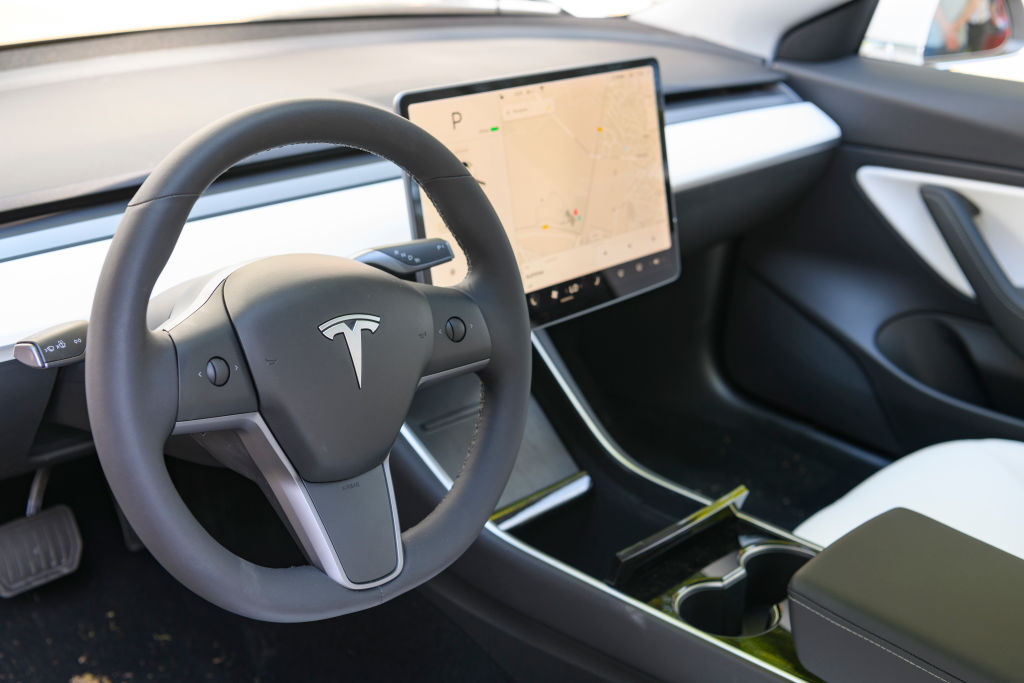
Tesla has announced a significant shift in its Full Self-Driving (FSD) software distribution strategy. Starting February 14, 2026, the company will discontinue the option for customers to make a one-time purchase of the FSD package. Instead, access to FSD will be available exclusively through a monthly subscription model.
Background on Full Self-Driving (FSD):
Introduced in 2016, Tesla’s FSD is an advanced driver-assistance system designed to assist with steering, accelerating, and braking. Despite its name, FSD requires active driver supervision and does not render the vehicle fully autonomous. Over the years, Tesla has offered FSD at various price points, with the upfront cost peaking at $15,000 in 2022. More recently, the one-time purchase price was set at $8,000. In 2021, Tesla introduced a subscription option at $199 per month, which was later reduced to $99 per month in 2024.
Details of the Transition:
CEO Elon Musk announced the upcoming change on January 14, 2026, via a post on social media platform X, stating, Tesla will stop selling FSD after Feb 14. FSD will only be available as a monthly subscription thereafter. This move aligns with Tesla’s broader strategy to transition its software offerings to a subscription-based model, potentially making FSD more accessible to a wider range of customers by lowering the initial financial commitment.
Implications for Tesla and Its Customers:
The shift to a subscription-only model could have several implications:
1. Increased Adoption Rates: By eliminating the substantial upfront cost, more Tesla owners might be inclined to try FSD, leading to higher adoption rates.
2. Revenue Stream Changes: While the one-time purchase provided immediate revenue, the subscription model offers a steady, recurring income stream, which could stabilize Tesla’s financials over time.
3. Customer Flexibility: Customers can now opt-in or out of FSD based on their needs, such as subscribing during long trips or specific periods, without committing to a large upfront payment.
Current FSD Features and Requirements:
FSD offers a suite of advanced driver-assistance features, including:
– Navigate on Autopilot: Guides the car from highway on-ramp to off-ramp, including interchanges and overtaking slower vehicles.
– Auto Lane Change: Assists in moving to an adjacent lane on the highway when the driver activates the turn signal.
– Autopark: Helps automatically parallel or perpendicular park the vehicle.
– Summon: Moves the car in and out of tight spaces remotely using the Tesla app.
– Traffic Light and Stop Sign Control: Identifies and responds to traffic lights and stop signs.
To subscribe to FSD, vehicles must be equipped with the Full Self-Driving computer 3.0 or above and have either Basic Autopilot or Enhanced Autopilot. Owners can check their vehicle’s compatibility via the Tesla app or the vehicle’s touchscreen.
Industry Context:
Tesla’s decision comes at a time when other automakers are developing their own advanced driver-assistance systems. By transitioning to a subscription model, Tesla aims to stay competitive and potentially increase the adoption of its FSD system. This move also reflects a broader industry trend towards software-as-a-service models, providing companies with continuous revenue streams and customers with more flexible options.
Conclusion:
Tesla’s shift to offering FSD exclusively through a subscription model marks a significant change in its software distribution strategy. This approach may lower the barrier to entry for customers, potentially leading to higher adoption rates and providing Tesla with a steady revenue stream. As the automotive industry continues to evolve, such strategic shifts highlight the growing importance of software and services in the sector.