Target Hospitality’s Strategic Expansion into AI Data Center Construction
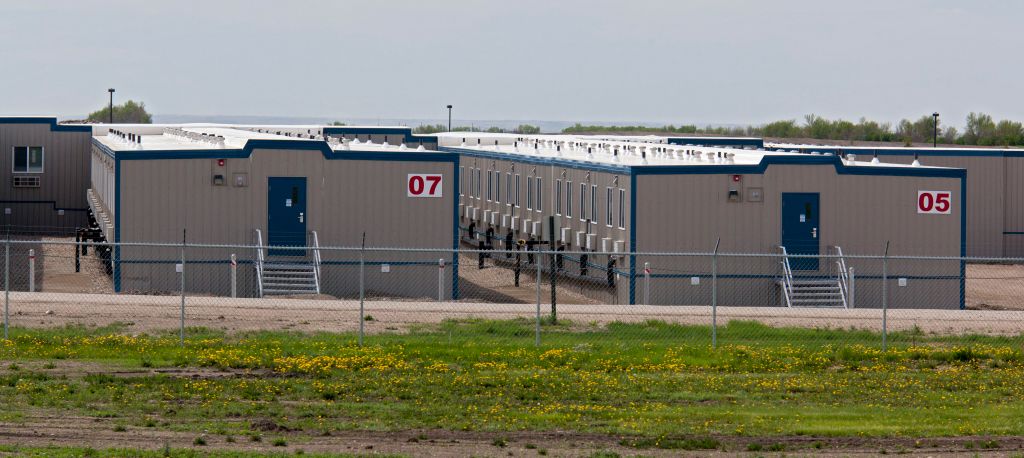
In the rapidly evolving landscape of artificial intelligence (AI), the construction of expansive data centers has become a cornerstone for technological advancement. These facilities require a substantial workforce for their development, often in remote locations where traditional housing infrastructure is lacking. To address this challenge, developers are increasingly turning to temporary housing solutions known as man camps.
Originally designed to accommodate workers in isolated oil fields, man camps provide essential amenities such as sleeping quarters, dining facilities, recreational areas, and laundry services. This model is now being adapted to support the burgeoning AI industry.
A notable example is the transformation of a Bitcoin mining facility in Dickens County, Texas, into a 1.6-gigawatt data center. The workforce involved in this massive project resides in modular housing units equipped with a gym, laundromat, game rooms, and a cafeteria offering on-demand meals, including grilled steaks.
Target Hospitality, a company with a history of managing large-scale accommodation projects, has secured contracts totaling $132 million to build and operate the Dickens County camp. The facility is projected to house over 1,000 workers upon completion. Troy Schrenk, Target’s Chief Commercial Officer, emphasized the significance of this venture, describing it as the largest, most actionable pipeline I’ve ever seen.
This strategic move underscores Target Hospitality’s commitment to diversifying its portfolio and capitalizing on the AI industry’s growth. The company is leveraging its expertise in managing large-scale accommodations to meet the unique demands of data center construction.
However, Target Hospitality’s track record includes managing the Dilley Immigration Processing Center in Texas, a facility that has faced criticism. Reports have highlighted issues such as substandard food quality, including instances of worms and mold, and inadequate provisions for children with allergies and special dietary needs.
As Target Hospitality ventures into the AI sector, it faces the challenge of ensuring that its temporary housing solutions meet high standards of quality and safety. The success of these man camps is crucial not only for the well-being of the workers but also for the timely and efficient completion of data center projects.
The AI industry’s rapid expansion presents significant opportunities for companies like Target Hospitality. By providing essential infrastructure support, they play a pivotal role in facilitating technological progress. However, this comes with the responsibility of maintaining ethical standards and ensuring that the accommodations provided are safe, comfortable, and conducive to the well-being of the workforce.
In conclusion, the integration of man camps into AI data center construction projects reflects a pragmatic approach to addressing workforce housing needs in remote areas. Target Hospitality’s involvement in this sector highlights the intersection of traditional accommodation solutions with cutting-edge technology development. As the AI industry continues to grow, the demand for such innovative housing solutions is likely to increase, presenting both opportunities and challenges for companies operating in this space.