StubHub Agrees to $10 Million Settlement Over Deceptive Ticket Pricing Practices
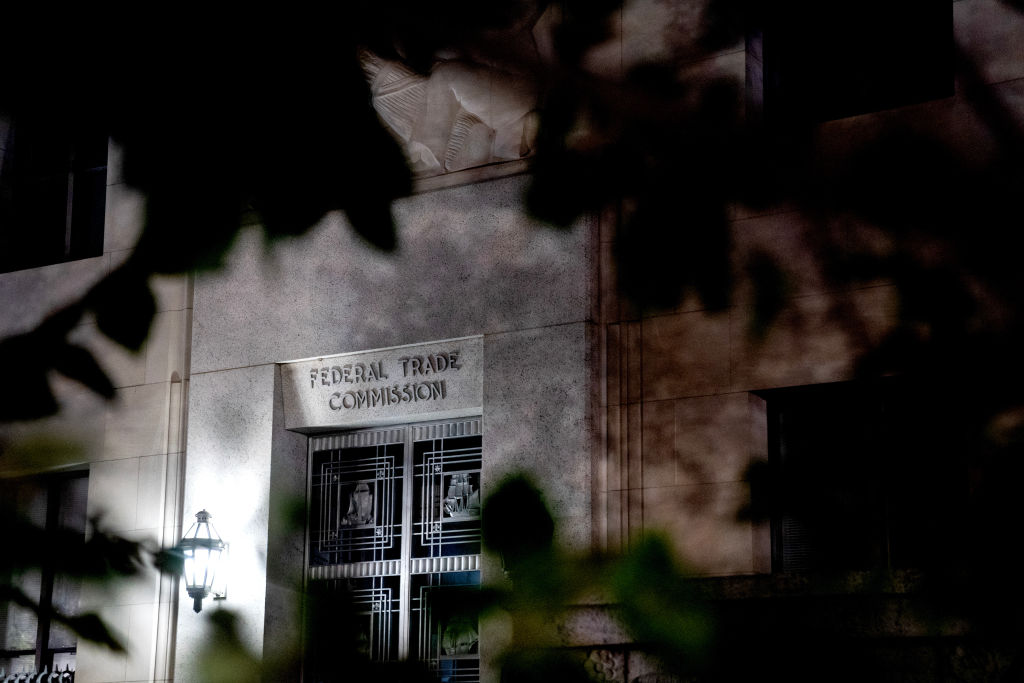
In a significant development within the ticketing industry, StubHub has consented to a $10 million settlement with the Federal Trade Commission (FTC) to resolve allegations of deceptive pricing practices. The FTC accused the prominent ticket marketplace of failing to transparently disclose the full cost of tickets, including mandatory fees, thereby misleading consumers.
Background on the Allegations
The FTC’s complaint centers on StubHub’s advertising methods, which allegedly presented ticket prices without clearly indicating the total cost upfront. This practice contravened the FTC Act and the Rule on Unfair or Deceptive Fees, both designed to protect consumers from misleading pricing strategies. The agency emphasized that such omissions hinder consumers’ ability to make informed purchasing decisions.
Implementation of the FTC’s Pricing Transparency Rule
In May 2025, the FTC introduced a rule mandating that ticket marketplaces provide clear and upfront disclosure of all costs associated with ticket purchases. This regulation aimed to eliminate hidden fees and ensure consumers are fully aware of the total price before completing a transaction. Despite this directive, StubHub reportedly continued to advertise ticket prices without including mandatory fees, leading to the FTC’s intervention.
FTC’s Response and Settlement Details
FTC Chair Andrew Ferguson expressed disappointment over StubHub’s non-compliance, especially given the company’s prior support for the transparency rule. Ferguson highlighted that StubHub’s decision to delay adherence coincided with the release of the NFL’s regular-season schedule, a peak traffic period for the platform. The FTC issued a warning to StubHub on May 14, 2025, prompting the company to rectify the issue the following day.
The $10 million settlement is intended to address the three-day period of non-compliance and will be used to refund consumers who were affected by the deceptive pricing. This action underscores the FTC’s commitment to enforcing transparency in the ticketing industry and protecting consumer rights.
StubHub’s Position and Industry Implications
In response to the settlement, a StubHub spokesperson stated, We have long supported all-in pricing because it provides clarity for fans. This settlement covers a limited number of transactions, spanning just three days in May 2025, where some listings on our site may have displayed ticket prices exclusive of fees. While we strongly disagree with the FTC’s view of the case, we are addressing their concerns by refunding a portion of those buyers’ fees.
This case is part of a broader effort by the FTC to ensure transparency in ticket pricing. In December 2024, the agency banned hidden junk fees in live-event ticketing and short-term lodging industries, requiring businesses to disclose total prices upfront. The rule, effective May 12, 2025, aims to eliminate bait-and-switch pricing tactics and other practices that conceal the true cost of services.
Broader Context of FTC’s Actions
The StubHub settlement is not an isolated incident. The FTC has been actively pursuing cases against companies employing deceptive pricing practices. For instance, in December 2025, Instacart agreed to a $60 million settlement over allegations of misleading consumers with false advertising, causing them to pay higher fees while denying refunds. Similarly, in December 2024, Grubhub settled for $25 million over claims of deceptive practices against customers and drivers, including misleading delivery costs and unauthorized restaurant listings.
These actions reflect the FTC’s ongoing commitment to ensuring fair and transparent business practices across various industries, particularly in sectors where consumers are vulnerable to hidden fees and misleading advertising.
Conclusion
The $10 million settlement between StubHub and the FTC serves as a critical reminder of the importance of transparency in pricing within the ticketing industry. It highlights the necessity for companies to adhere to regulatory standards designed to protect consumers from deceptive practices. As the FTC continues to enforce these regulations, businesses are urged to prioritize clear and honest communication regarding pricing to maintain consumer trust and avoid legal repercussions.