Enhancing SOC Efficiency: The Key to Reducing MTTR and Business Risk
In today’s fast-paced digital landscape, Security Operations Centers (SOCs) are under immense pressure to detect and respond to threats swiftly and accurately. The effectiveness of a SOC is often measured by two critical factors: the speed of incident containment and the precision of decision-making. These elements are not just indicators of operational efficiency but are also pivotal to an organization’s overall resilience against cyber threats.
The Pitfalls of Disjointed SOC Operations
Despite substantial investments in advanced tools and technologies, many organizations encounter significant challenges due to structural inefficiencies within their SOCs. A primary issue is the lack of seamless collaboration between alert triage teams and incident response units. This disconnect can lead to several detrimental outcomes:
1. Redundant Efforts: Without comprehensive visibility into threat behaviors, triage teams may escalate incidents prematurely. This redundancy forces incident response teams to re-investigate, effectively doubling their workload and leading to resource drain.
2. Misinterpretations: The absence of standardized reporting and clear handoff procedures can result in misunderstandings. Such gaps can cause misinterpretation of incidents, leading to either overreaction or underestimation of threats.
3. Prolonged Response Times: Inefficient communication and unclear prioritization extend investigation cycles. This delay directly impacts the Mean Time to Respond (MTTR), leaving the organization vulnerable for longer periods.
The Consequences: Elevated Business Risks
Extended SOC workflows don’t just affect internal operations; they have tangible business implications. Increased dwell times during attacks can lead to prolonged operational downtimes, financial losses, and reputational damage. Recognizing these issues is the first step toward implementing strategic measures to unify and streamline investigation workflows across different SOC tiers.
Strategic Measures to Enhance SOC Collaboration
To effectively reduce MTTR and mitigate business risks, organizations must focus on integrating automation, in-depth investigations, and cohesive team coordination into a unified workflow. Achieving this doesn’t necessarily require overhauling existing systems. Instead, embedding solutions that refine and enhance current processes can be more effective.
1. Scalable Automation Without Workflow Disruption
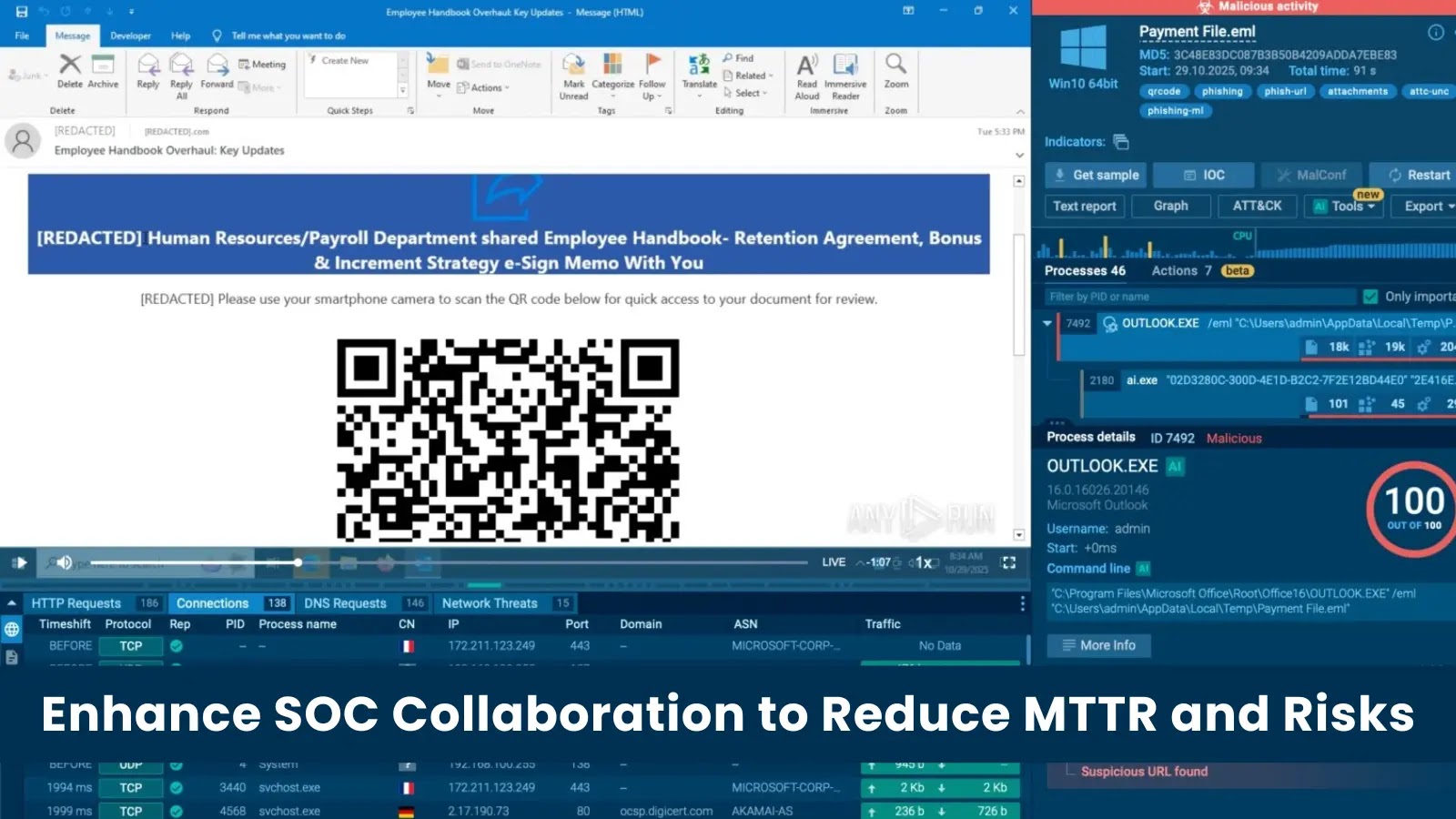
Implementing automated solutions that replicate user behaviors can uncover evasive threats more efficiently. For instance, platforms that offer AI-powered capabilities can highlight key indicators and provide behavioral insights, accelerating decision-making from triage to response. Seamless integration with existing systems like SIEM, SOAR, TIP, and EDR ensures that sandboxing and other investigative tools are embedded directly into the current environment, facilitating faster validation and consistent enrichment.
2. Comprehensive Reporting for Efficient Handoffs
Generating clear, structured reports that detail behavioral evidence is crucial for smooth transitions between triage and response teams. Such standardized documentation minimizes ambiguities during escalations, ensuring that responsibilities are clearly distributed and incidents are prioritized appropriately.
3. Real-Time Collaboration Through Teamwork
Enabling shared visibility among team members fosters transparent analysis reviews and activity tracking. This collaborative approach enhances productivity and ensures that all team members are aligned, leading to more effective threat management.
Operational Impact of Structured SOC Collaboration
Implementing structured collaboration within the SOC can lead to measurable improvements:
– Reduced Tier-1 Workload: Automation and AI-driven insights can decrease manual overhead, reducing repetitive tasks and allowing analysts to focus on more complex issues.
– Fewer Escalations: Clear and comprehensive reports lead to a significant reduction in unnecessary escalations, as incidents are better understood and managed at the initial stages.
– Shortened MTTR: Enhanced visibility and real-time collaboration contribute to faster investigation cycles, reducing the average response time per case.
Conclusion
Reducing MTTR is not solely about adopting better tools; it’s about aligning people, processes, and technology into a cohesive workflow. For SOC leaders, this means addressing operational friction between teams and fostering enterprise-level collaboration. By doing so, organizations can enhance their security posture, reduce business risks, and build a more resilient defense against cyber threats.