SpaceX Veterans Secure $50M to Revolutionize Data Center Connectivity
In a significant development for the tech industry, three former SpaceX engineers—Travis Brashears, Cameron Ramos, and Serena Grown-Haeberli—have launched Mesh Optical Technologies, a Los Angeles-based startup dedicated to transforming data center communications. The trio, who previously collaborated on developing optical communication links for SpaceX’s Starlink satellites, have successfully secured a $50 million Series A funding round led by Thrive Capital.
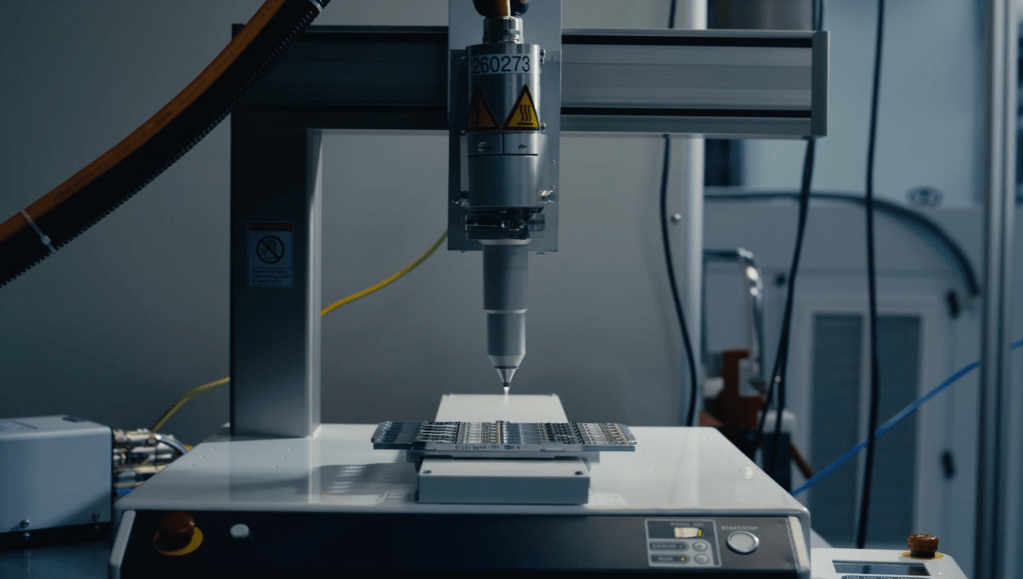
Mesh Optical Technologies focuses on the mass production of optical transceivers—devices that convert optical signals from fiber or laser into electrical signals for computers. These components are crucial for data centers, especially those involved in training and operating large deep learning models, as they enable multiple GPUs to function cohesively. The founders identified a gap in the optical transceiver market during their tenure at SpaceX, where the demand for high-performance components became evident.
The importance of optical transceivers in data centers cannot be overstated. They are essential for facilitating efficient communication between GPUs, which is vital for the performance of deep learning models. For instance, a data center boasting a million GPU cluster would require four to five times that number in transceivers, underscoring the scale of demand.
Mesh Optical Technologies aims to manufacture a thousand units per day within the year, positioning itself to qualify for bulk orders by 2027 and 2028. This ambitious production goal reflects the company’s commitment to meeting the growing needs of data centers worldwide.
The optical transceiver market is currently dominated by Chinese firms and suppliers. Mesh Optical Technologies sees a strategic advantage in establishing a supply chain independent of these entities. While trade restrictions have not yet impacted the market, the founders and their investors are proactively addressing potential national security concerns.
Philip Clark, a partner at Thrive Capital, emphasized the significance of this initiative, stating, If AI is the most important technology in several generations (which we believe to be true), to have critical parts of AI data center capex run through misaligned/competitive countries is a problem. In the immediate term, Mesh is solving our need for better ways to do interconnect if we want to keep scaling AI.
One of the primary challenges for Mesh Optical Technologies is implementing fully automated manufacturing techniques, which are not yet widespread in U.S. industry. Much of this expertise is concentrated in China, to the extent that some European equipment suppliers expect Chinese company registration numbers as standard. By co-locating design and production, the founders aim to achieve more efficient and cost-effective components.
Their current design eliminates a commonly used but power-intensive component, potentially reducing GPU cluster power usage by 3% to 5%. This reduction is significant as hyperscale data centers strive to maximize system efficiency.
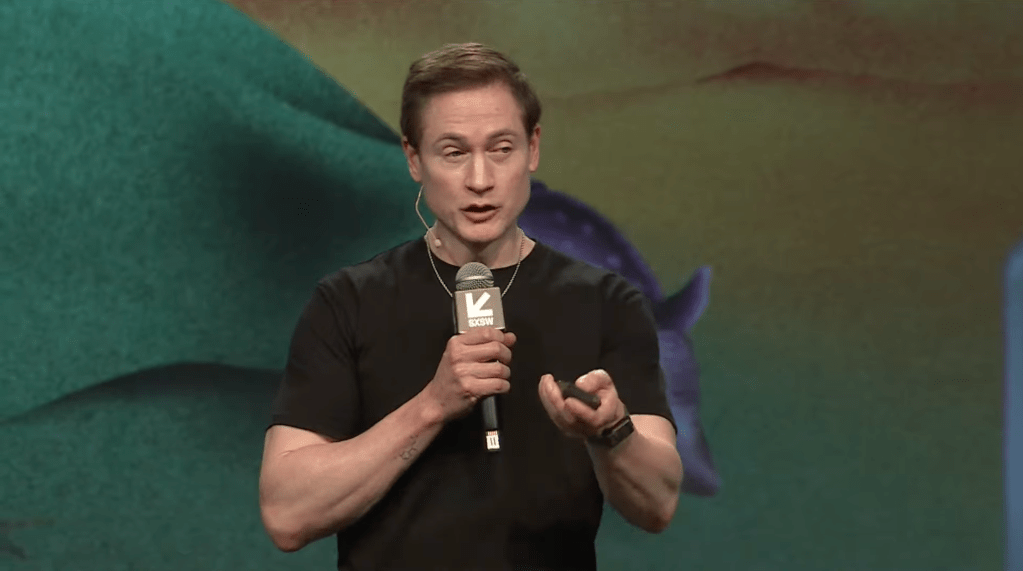
Beyond data centers, Mesh Optical Technologies envisions a broader application for optical wavelength communications. CEO Travis Brashears articulated this vision, stating, The world has primarily focused on [radio frequencies] for a long time. We want to be at the precipice of transition from RF to photonics…we want to interconnect everything, and not just computers, but that’s where we’re starting.
This initiative by Mesh Optical Technologies represents a pivotal step in advancing data center infrastructure and underscores the critical role of optical transceivers in the era of artificial intelligence and deep learning.