Space Beyond: Affordable Memorials in Orbit for 1,000 Loved Ones by 2027
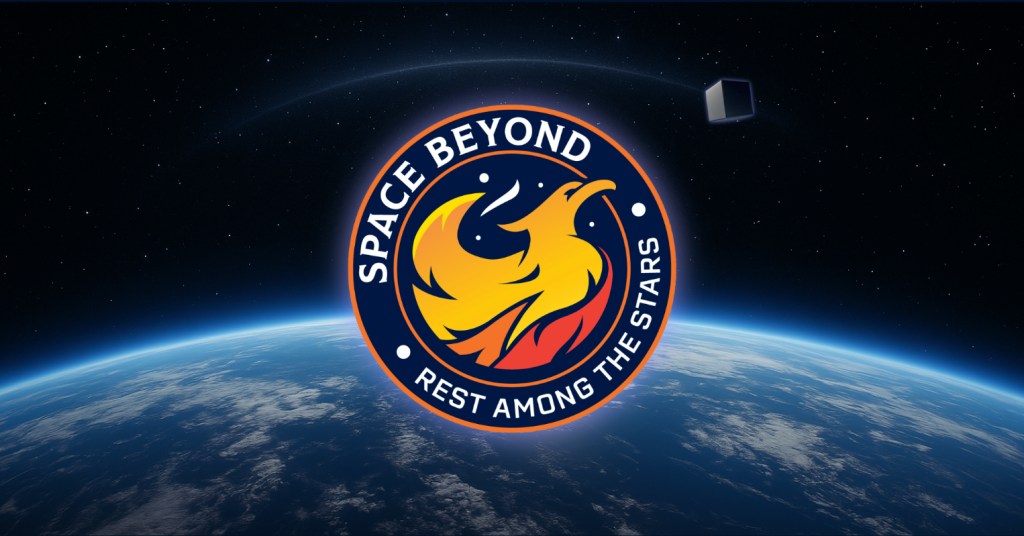
In a groundbreaking initiative, Space Beyond, a startup founded by aerospace engineer Ryan Mitchell, is set to offer an affordable service that will send the cremated remains of up to 1,000 individuals into space by 2027. This endeavor aims to provide a unique and lasting tribute for those who have passed away, merging the realms of memorial services and space exploration.
A Vision Born from Personal Experience
Ryan Mitchell’s journey to establishing Space Beyond was deeply personal. With a background as a manufacturing engineer on NASA’s space shuttle program and nearly a decade at Blue Origin, Mitchell was well-acquainted with the evolving landscape of space technology. The significant reduction in space access costs, largely due to advancements by companies like SpaceX, made the cosmos more accessible than ever.
The inspiration struck during a family member’s ash-scattering ceremony. Mitchell observed the fleeting nature of the moment and pondered, How could I do this better? This reflection led to the conception of Space Beyond and its flagship Ashes to Space program.
The Ashes to Space Program
Space Beyond plans to utilize CubeSats—miniature, cube-shaped satellites—to transport the ashes of up to 1,000 individuals into orbit simultaneously. The company has secured a launch services agreement with Arrow Science and Technology, ensuring integration of the CubeSat on a SpaceX Falcon 9 rideshare mission slated for October 2027.
Affordability and Accessibility
While the concept of sending human ashes into space isn’t novel—companies like Celestis have offered such services since the 1990s—Space Beyond distinguishes itself through affordability. With packages starting at just $249, the service is significantly more accessible compared to other options that often cost thousands of dollars. It’s important to note that cremation services are to be arranged separately by the customers.
This cost-effectiveness is achieved through several strategies:
1. Rideshare Model: By participating in rideshare missions, Space Beyond can integrate its CubeSats into larger spacecraft, sharing the launch costs and making the service more economical.
2. Bootstrapped Operations: Operating without external investors allows the company to focus on providing value to customers without the pressure of delivering high returns.
Mitchell acknowledges the unconventional pricing strategy, stating, I’ve been told I’m not charging enough for this service, especially considering the funeral industry’s tendency to overcharge during vulnerable times. However, his goal isn’t to amass wealth but to offer a meaningful service.
Technical Considerations and Limitations
The CubeSat format imposes certain constraints:
– Ash Quantity: Each participant can send approximately one gram of ashes, balancing the need to accommodate multiple customers while adhering to weight limitations crucial for launch viability.
– Orbital Duration: The CubeSat is expected to remain in orbit for about five years before re-entering Earth’s atmosphere and burning up. This finite duration offers a symbolic conclusion to the memorial journey.
The satellite will be placed in a sun-synchronous orbit at an altitude of around 550 kilometers (approximately 341 miles), allowing it to pass over the entire globe. Modern spacecraft tracking services will enable customers to know when the CubeSat is visible in the night sky above their location.
Safety and Environmental Considerations
Space Beyond is committed to safety and environmental responsibility:
– Ash Dispersion: The company will not release ashes into space to prevent potential debris hazards that could jeopardize other spacecraft.
– Re-entry: The CubeSat’s controlled re-entry ensures it burns up in the atmosphere, leaving no lasting debris.
Customers retain the majority of their loved one’s ashes, allowing for traditional memorials alongside the space-based tribute.
From Concept to Reality
After leaving Blue Origin, Mitchell explored various career paths, from becoming a launch director to considering a role as a Kava bartender. However, the idea of Space Beyond consistently resonated with him. Despite initial doubts about feasibility and cost, thorough engineering analyses and business planning affirmed the project’s viability.
His unwavering passion was evident to those around him. As Mitchell recalls, his wife noted, I could have told you that weeks ago. You can’t stop talking about this.
Conclusion
Space Beyond’s Ashes to Space program represents a fusion of personal memorialization and space exploration, offering a unique and affordable way to honor loved ones. By leveraging advancements in space technology and innovative business models, the company is set to make celestial memorials accessible to many, turning a once fleeting moment into a lasting tribute among the stars.