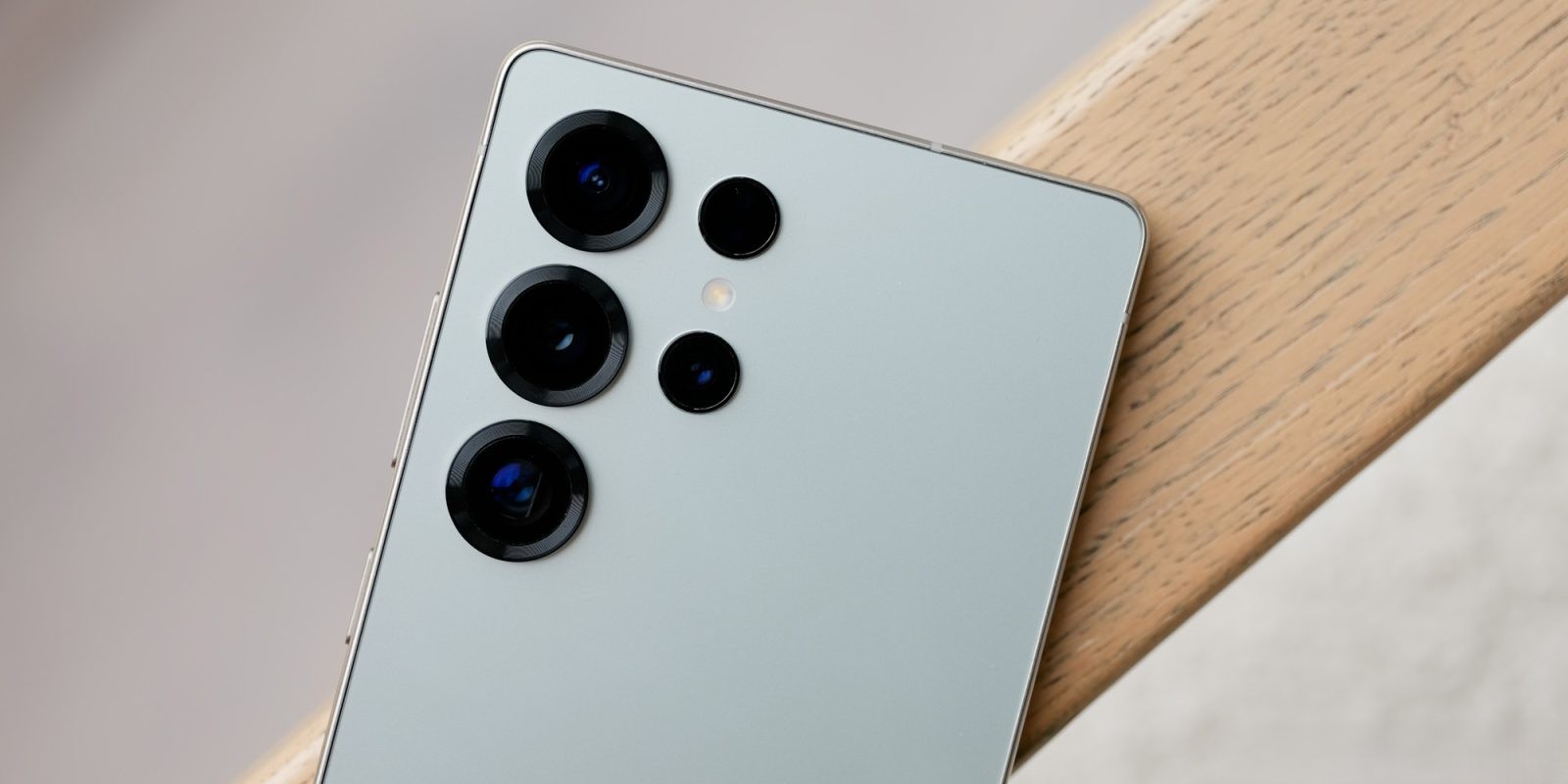
Smartphone Prices Set to Rise in 2026 Amidst RAM and Storage Shortages
The smartphone industry is bracing for significant price increases in 2026, driven by escalating costs of DRAM (Dynamic Random-Access Memory) and NAND (flash storage). Counterpoint Research Korea reports that these rising component prices are poised to impact devices across all market segments, with entry-level smartphones being particularly vulnerable.
Impact on Entry-Level Smartphones
Devices priced under $200, commonly referred to as entry-level smartphones, are expected to bear the brunt of these cost increases. For instance, a typical entry-level phone equipped with 6GB of LPDDR4X RAM and 128GB of eMMC storage now sees these two components constituting approximately 43% of its total bill of materials (BOM). This substantial proportion underscores the financial strain on manufacturers, especially those producing budget-friendly devices. Analysts suggest that brands heavily invested in this segment, including several Chinese smartphone makers and chipset manufacturer MediaTek, may face significant challenges.
Mid-Range and Flagship Devices
Mid-range smartphones, priced between $400 and $600, are also affected, though to a lesser extent. A device featuring 8GB of LPDDR5X RAM and 256GB of UFS 4.0 storage would see these components account for 20% and 16% of the BOM, respectively. While these increases are notable, they are comparatively moderate.
Flagship devices, priced at $800 and above, are not immune to these cost pressures. A hypothetical flagship smartphone with 16GB of LPDDR5X RAM and 512GB of UFS 4.1 storage would have these components make up 23% and 18% of the BOM, respectively. This scenario could lead to an increase in BOM costs by $100 to $150 in the second quarter of 2026.
Strategic Responses from Manufacturers
In response to these escalating costs, manufacturers are exploring several strategies:
1. Reducing Dependence on Entry-Level Models: Companies may decrease the production and shipment of entry-level smartphones, which are now considered a risk for short-term financial losses.
2. Adjusting Device Specifications: To offset higher component costs, manufacturers might opt to lower specifications in areas deemed non-essential, thereby maintaining overall device affordability.
Market Implications
The anticipated price hikes are already manifesting in the market. For example, Samsung’s latest mid-range Galaxy A series has seen price increases, with the Galaxy A37 and A57 now starting at $449 and $549, respectively. These adjustments reflect the broader trend of rising smartphone prices due to increased component costs.
Broader Industry Context
The current RAM and storage shortages are part of a larger trend affecting the tech industry. The surge in demand for memory components, driven by advancements in artificial intelligence and data centers, has led to a reallocation of resources, impacting the availability and cost of these components for smartphone manufacturers.
Consumer Considerations
For consumers, these developments suggest that purchasing a new smartphone in 2026 may come with a higher price tag. It may be prudent to plan ahead, consider current market offerings, and evaluate whether to purchase now or wait for potential stabilization in the market.
Conclusion
The smartphone industry is navigating a challenging landscape marked by rising component costs and supply chain constraints. While manufacturers are exploring various strategies to mitigate these challenges, consumers should be prepared for inevitable price increases across all segments of the smartphone market in 2026.