Rethinking the Annual Smartphone Release Cycle: Is It Time for a Change?
In recent years, the smartphone industry has exhibited a pattern of releasing new models annually, often with incremental updates that offer minimal enhancements over their predecessors. This trend has led to a saturation of the market with devices that, while slightly improved, fail to deliver groundbreaking innovations. As we move into 2026, it becomes increasingly evident that the necessity for yearly smartphone releases is diminishing, prompting a reevaluation of this established practice.
The Maturation of the Smartphone Market
Over the past decade and a half, smartphones have evolved from novel gadgets to essential tools in daily life. Manufacturers have honed their designs and functionalities, addressing major consumer needs and preferences. Today, whether one opts for a high-end flagship or a budget-friendly model, the core features—such as display quality, battery life, and camera capabilities—meet a standard that satisfies the average user. This maturation suggests that the industry has reached a plateau where significant annual advancements are less feasible.
The Case for Extended Product Cycles
The current practice of annual releases often results in devices that offer only marginal improvements, leading to consumer fatigue and increased electronic waste. Extending the product lifecycle to two or three years could have several benefits:
1. Enhanced Innovation: Longer development periods would allow manufacturers to focus on substantial technological advancements, delivering products that truly stand out in the market.
2. Environmental Impact: Reducing the frequency of new releases would decrease the volume of electronic waste, contributing to more sustainable consumption patterns.
3. Consumer Satisfaction: With more significant upgrades spaced out over longer intervals, consumers may feel a greater sense of value and excitement when choosing to upgrade their devices.
Industry Perspectives and Movements
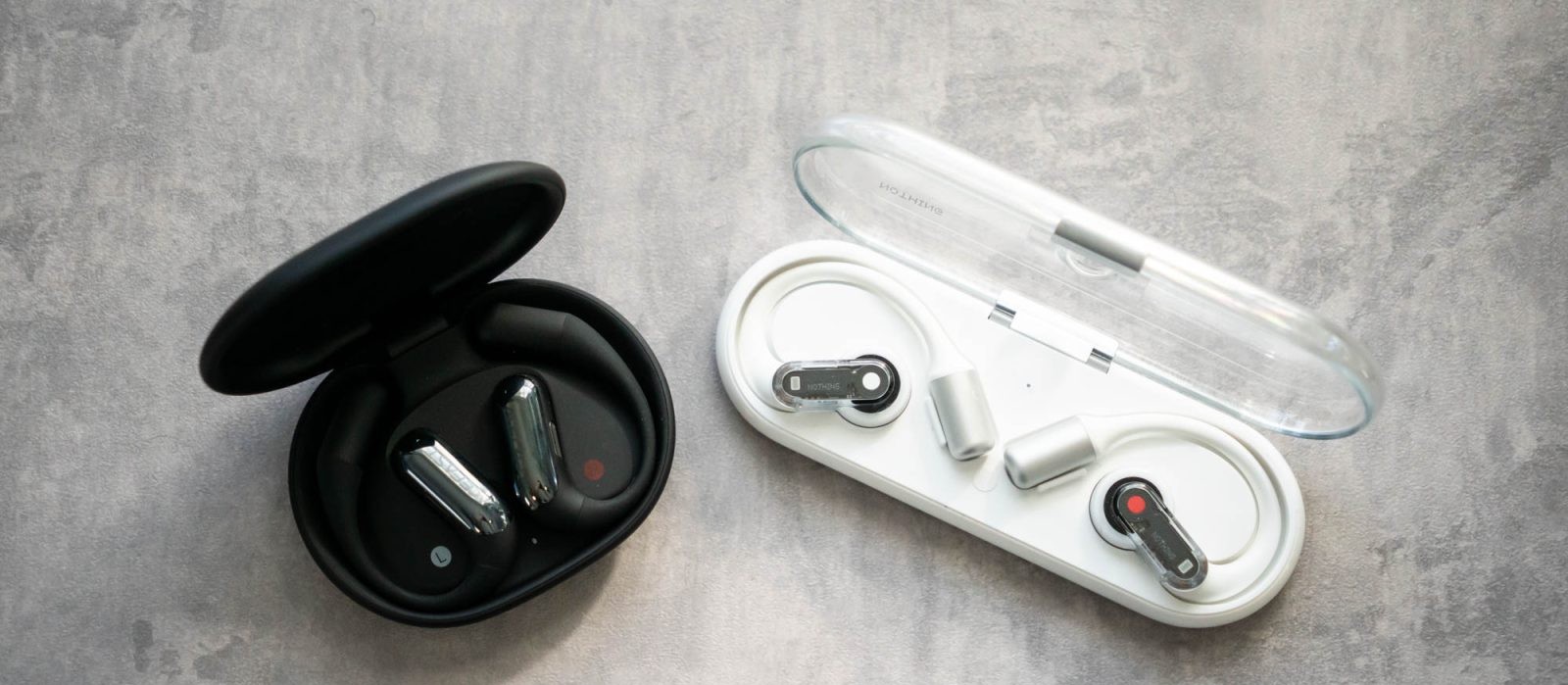
Some companies have already begun to question the necessity of annual releases. For instance, Nothing has announced that its Phone (4) will not be released in 2026, opting instead to focus on delivering a more refined product in the following year. This decision reflects a growing recognition that the rush to release new models annually may not align with consumer interests or the company’s long-term goals.
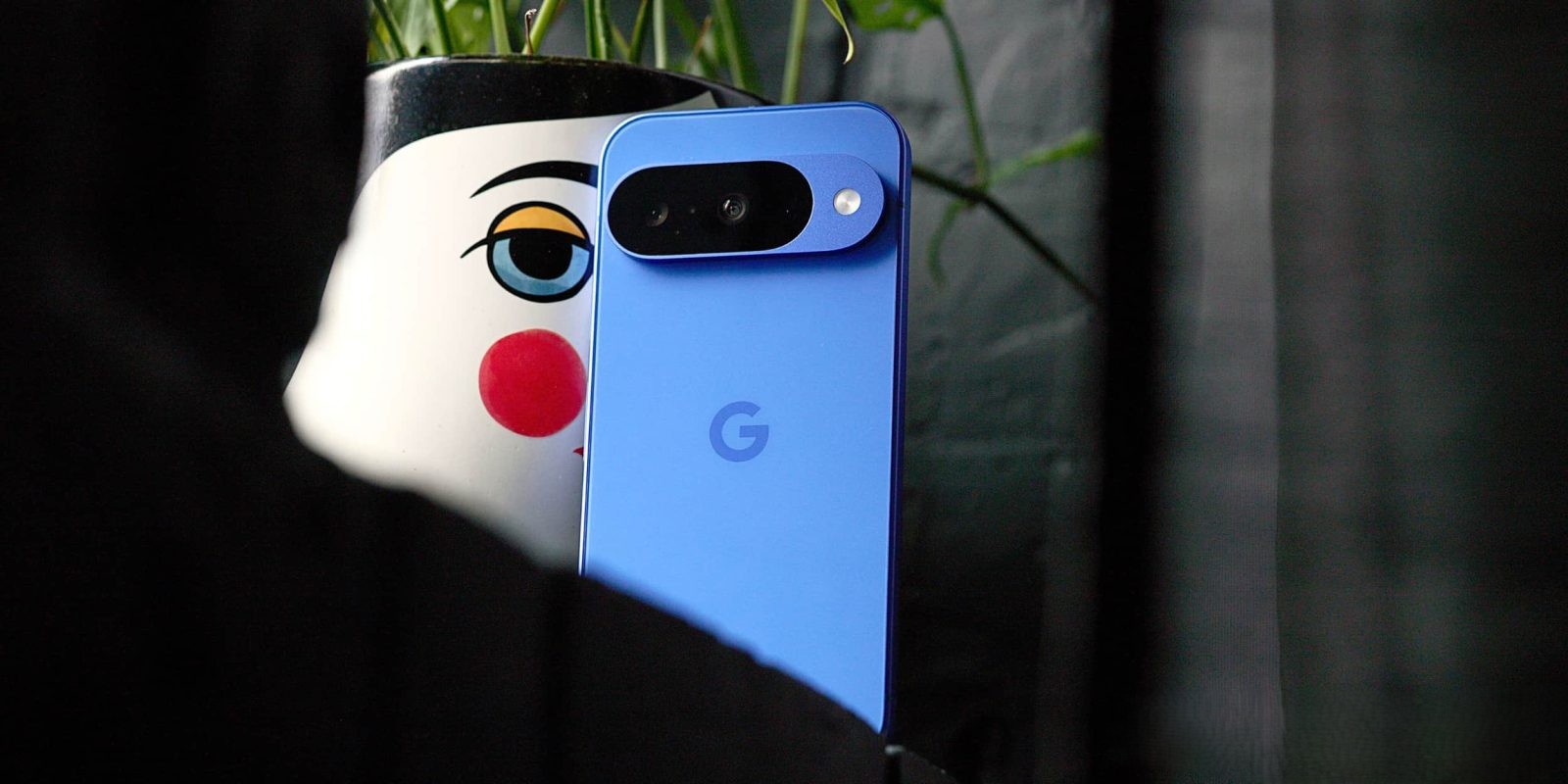
Similarly, Google has indicated a shift in its design strategy for Pixel devices, planning significant redesigns every two to three years. This approach allows for more thoughtful innovation and design improvements, moving away from the pressure of annual updates.
Challenges and Considerations
Transitioning away from annual releases is not without challenges. Manufacturers must balance the desire for innovation with market demands and financial considerations. Additionally, the competitive landscape of the smartphone industry means that companies are often hesitant to deviate from established practices for fear of losing market share.
However, the current state of the market, characterized by a decline in smartphone sales and component shortages, presents an opportune moment to reconsider the annual release cycle. By focusing on quality over quantity, manufacturers can better meet consumer needs and contribute to a more sustainable industry.
Conclusion
The era of annual smartphone releases may be approaching its end. As the market matures and consumer expectations evolve, there is a compelling case for extending product cycles to allow for more meaningful innovation and to address environmental concerns. By embracing this shift, the smartphone industry can better serve its customers and the planet.