Lucid Motors’ Q1 Sales Decline Due to Seat Supplier Issues
Lucid Motors, renowned for its luxury electric vehicles (EVs), faced a significant setback in the first quarter of 2026. The company reported sales of 3,093 vehicles, marking a 42% decrease from the previous quarter and a slight 0.5% dip compared to the same period last year. This downturn is particularly notable given Lucid’s impressive performance in 2025, where it doubled its EV production and achieved a 55% increase in sales.
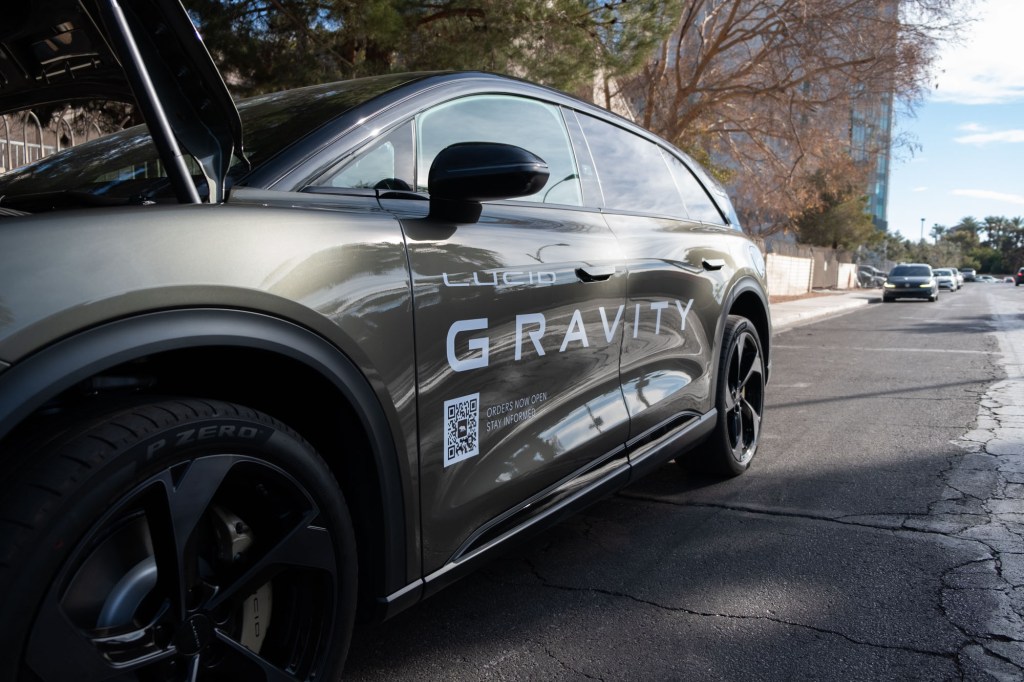
The primary cause of this decline was identified as a quality issue with the second-row seats supplied for the Lucid Gravity SUV. An unapproved change by the seat supplier led to improperly welded seat belt anchors, compromising vehicle safety. This discovery prompted Lucid to halt Gravity SUV deliveries for 29 days in February to address the defect, significantly impacting sales figures.
In response to the defect, Lucid initiated a recall of over 4,000 Gravity SUVs to rectify the seat belt anchor issue. The company assured that the problem has been resolved and emphasized that this disruption is not indicative of a demand issue but rather a supply chain challenge.
Despite these hurdles, Lucid remains optimistic about its production goals. The company reaffirmed its commitment to producing between 25,000 and 27,000 vehicles in 2026, aiming for a potential 47% increase from the 18,378 EVs produced in 2025.
This incident underscores the complexities of supply chain management in the automotive industry, especially for emerging EV manufacturers. Lucid’s proactive approach to addressing the issue and its transparent communication reflect its dedication to quality and customer safety.
Looking ahead, Lucid is preparing to launch its first vehicle on a new, more affordable platform targeting the mass market. Priced around $50,000, this upcoming model is set to compete directly with Rivian’s R2 SUV, Tesla’s Model Y and Model 3, and Chevrolet’s Equinox EV. This strategic move aims to broaden Lucid’s market reach and solidify its position in the competitive EV landscape.