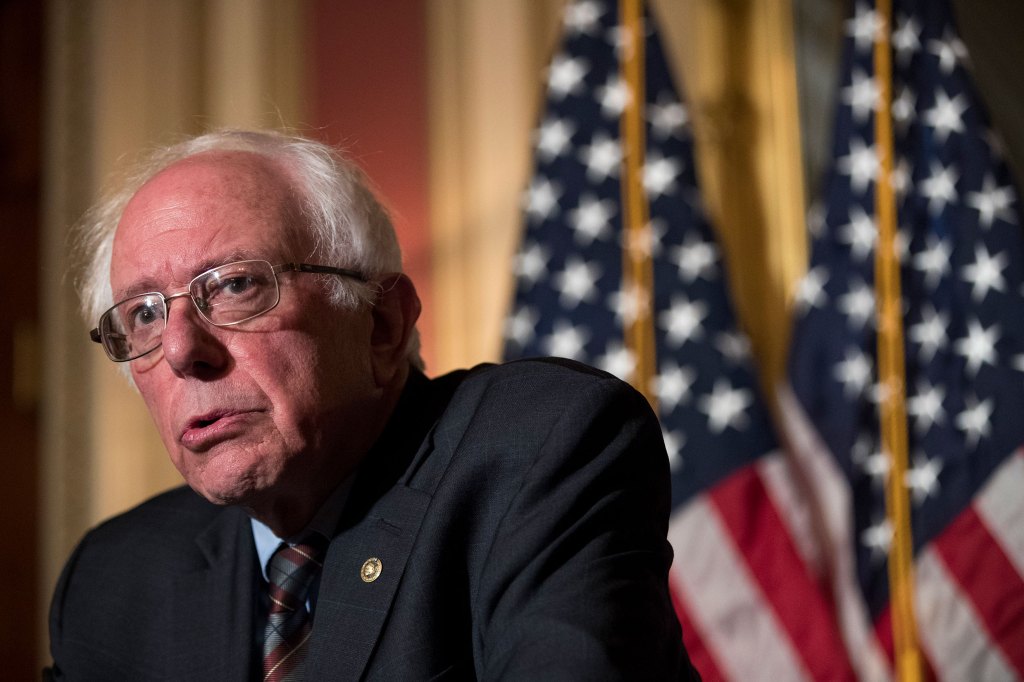
Sanders and Ocasio-Cortez Advocate for Temporary Halt on Large Data Center Construction Amid AI Concerns
In response to the rapid expansion of data centers across the United States, Senator Bernie Sanders of Vermont and Representative Alexandria Ocasio-Cortez of New York have introduced legislation aimed at temporarily halting the construction of new data centers with peak power loads exceeding 20 megawatts. This proposed moratorium would remain in effect until comprehensive regulations governing artificial intelligence (AI) are established.
Rationale Behind the Proposal
The legislators’ initiative is driven by multiple concerns:
1. Environmental Impact: Data centers are known for their substantial energy consumption, which can strain local power grids and contribute to environmental degradation.
2. Economic Implications: The proliferation of data centers has been linked to increased electricity costs for consumers.
3. Job Displacement: The advancement of AI technologies raises fears about potential job losses across various sectors.
4. National Security: The unregulated growth of AI and data infrastructure poses potential risks to national security.
Support from Tech Industry Leaders
The proposal aligns with sentiments expressed by prominent figures in the tech industry who have called for more stringent oversight of AI development. Elon Musk, CEO of Tesla and SpaceX, has previously stated, AI is far more dangerous than nukes. So why do we have no regulatory oversight? Similarly, leaders from organizations such as Google DeepMind, Anthropic, and OpenAI have advocated for increased regulation to mitigate potential risks associated with AI.
Public Sentiment on AI
A recent Pew Research poll indicates that a majority of Americans are more concerned than excited about AI advancements, with only 10% expressing more excitement than concern. This public apprehension underscores the need for thoughtful regulation to address the societal impacts of AI technologies.
Legislative Challenges
Despite the growing support for regulation, the proposed legislation faces significant hurdles. The AI industry has invested heavily in political lobbying, and there are concerns about maintaining a competitive edge in AI development, particularly in relation to countries like China. These factors may complicate efforts to enact the proposed moratorium.
Proposed Regulatory Measures
Sanders and Ocasio-Cortez’s legislation outlines several key regulatory measures:
– Pre-Release Government Review: AI models would require government certification before being released to the public.
– Job Protection Measures: Safeguards would be implemented to prevent AI-driven job displacement.
– Environmental Safeguards: Limits would be placed on the environmental impact of data infrastructure.
– Labor Standards: The use of union labor would be mandated for the construction of data centers.
– Export Controls: The export of advanced AI-related technologies to countries lacking similar regulatory frameworks would be restricted.
Broader Context
This legislative effort is part of a larger movement addressing the rapid expansion of AI infrastructure. In February 2026, New York state lawmakers proposed a three-year moratorium on new data center permits to assess the environmental and economic impacts of such facilities. Similar initiatives have been considered in other states, reflecting a growing national discourse on balancing technological advancement with societal well-being.
Conclusion
The proposal by Senator Sanders and Representative Ocasio-Cortez to temporarily halt the construction of large data centers highlights the complex interplay between technological innovation and its societal implications. As AI continues to evolve, the need for comprehensive regulation becomes increasingly apparent to ensure that its development aligns with public interest and ethical standards.