Samsung’s Upcoming Smart Glasses: A Glimpse into the Future of Wearable Technology
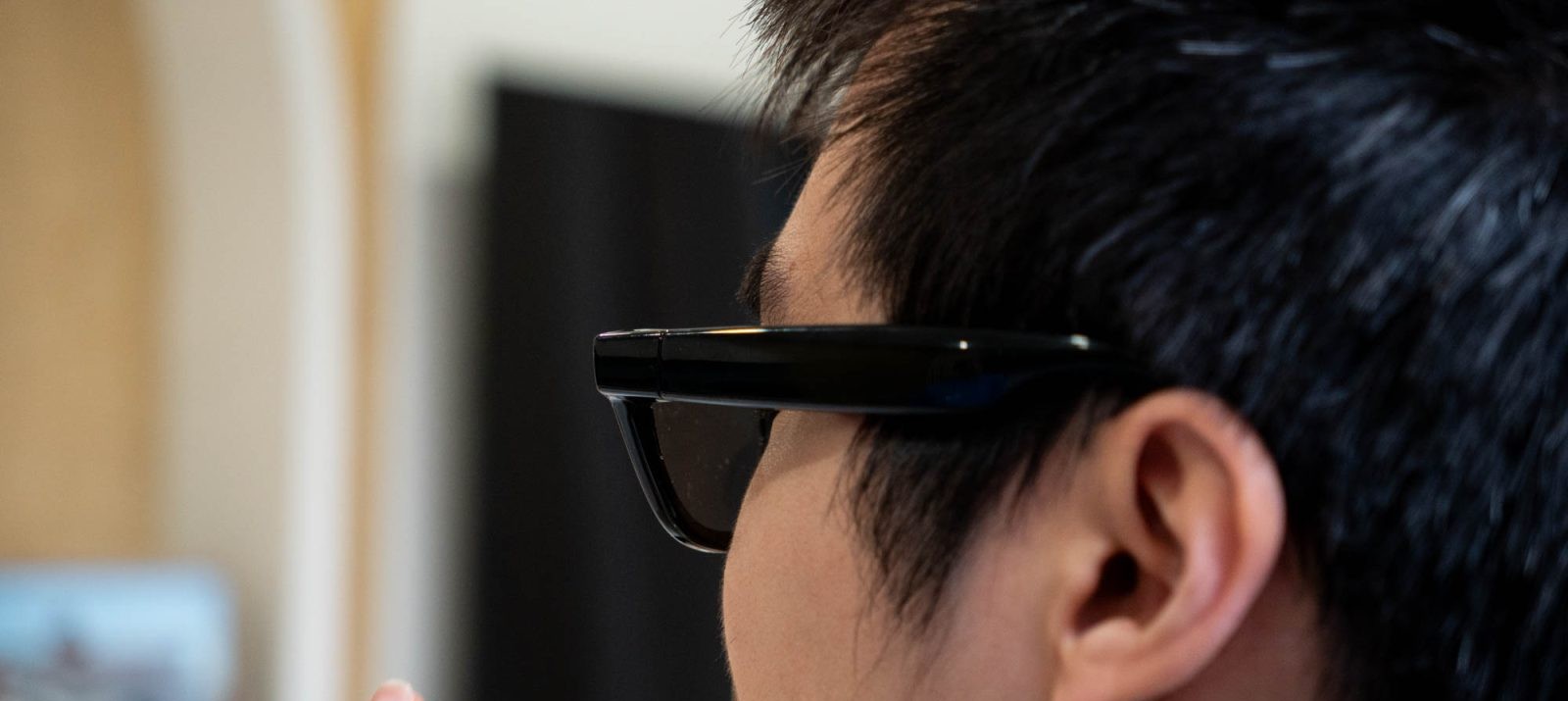
Samsung is poised to make a significant impact in the wearable technology market with its forthcoming smart glasses, slated for release later this year. At the recent Mobile World Congress (MWC), Jay Kim, a representative from Samsung, shared some intriguing insights into the device’s features and capabilities.
Key Features Unveiled
During an interview with CNBC, Kim highlighted several aspects of the smart glasses:
– Integrated Camera: Positioned at eye level, this feature aims to capture the user’s perspective seamlessly.
– Smartphone Connectivity: The glasses are designed to pair effortlessly with smartphones, ensuring a cohesive user experience.
– AI Integration: Advanced artificial intelligence will enable the device to detect and interpret the user’s gaze, potentially offering context-aware functionalities.
While these features offer a glimpse into the device’s potential, Samsung has remained tight-lipped about other specifications, particularly regarding the inclusion of a built-in display. When questioned about this, Kim emphasized that users seeking display functionalities could rely on existing Samsung products like smartphones or smartwatches.
Anticipated Release and Industry Context
Samsung has reaffirmed its commitment to launching the smart glasses in 2026, a timeline that aligns with statements from Qualcomm CEO Cristiano Amon at the trade show. This development comes amidst a growing interest in augmented reality (AR) and extended reality (XR) devices, with competitors like Meta introducing their own smart glasses equipped with displays.
Design and User Experience Considerations
The design philosophy behind Samsung’s smart glasses appears to prioritize user comfort and seamless integration into daily life. By connecting to smartphones, the device may leverage existing ecosystems, reducing the need for redundant hardware components. The inclusion of AI to track the user’s gaze suggests potential applications in navigation, real-time information display, and interactive experiences.
Market Implications and Future Prospects
The wearable technology market is witnessing rapid advancements, with smart glasses emerging as a focal point for innovation. Samsung’s entry into this space signifies a strategic move to capture a share of this burgeoning market. The company’s approach, focusing on integration with existing devices and leveraging AI capabilities, could set its product apart from competitors.
However, the decision to potentially exclude a built-in display raises questions about the device’s functionality and appeal. Competitors like Meta have introduced smart glasses with integrated displays, offering users augmented reality experiences directly through the eyewear. Samsung’s reliance on external devices for display functionalities might limit the glasses’ standalone capabilities but could also result in a lighter, more comfortable design.
Conclusion
Samsung’s forthcoming smart glasses represent a significant step in the evolution of wearable technology. By integrating AI and ensuring seamless connectivity with smartphones, the device promises to offer users a unique and interactive experience. As the 2026 release date approaches, consumers and industry experts alike will be keen to see how Samsung’s offering compares to existing products and whether it can carve out a niche in the competitive smart glasses market.