Samsung Galaxy S26: A Call for Meaningful Enhancements
As Samsung prepares to unveil its latest flagship, the Galaxy S26, anticipation is tempered by concerns over the device’s potential to deliver substantial improvements over its predecessors. While the Galaxy S series has consistently set high standards in the Android market, recent iterations have faced criticism for incremental updates that fail to excite consumers. To maintain its leadership position, Samsung must address several key areas in the Galaxy S26.
Design and Hardware
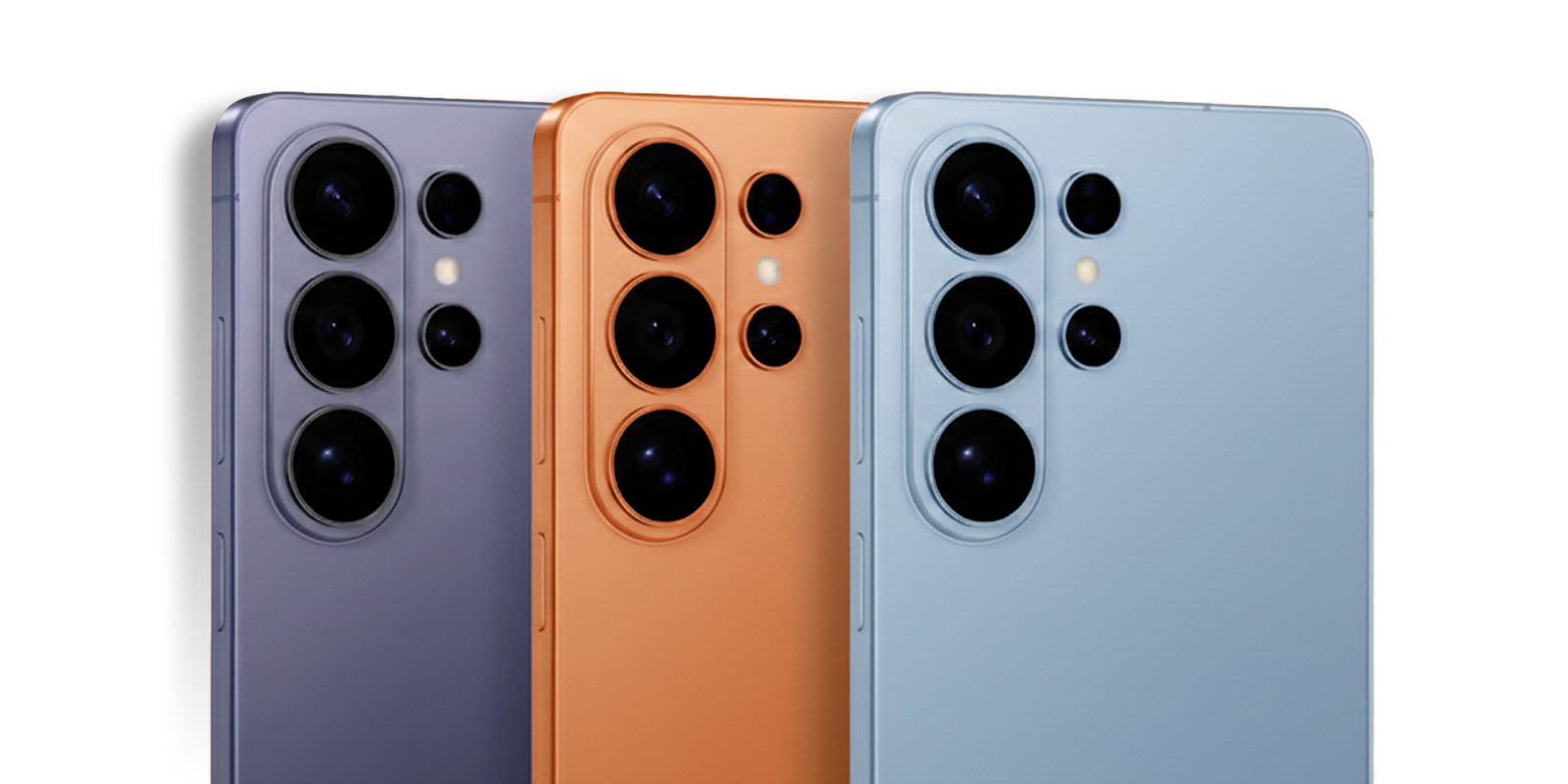
The Galaxy S series has long been praised for its sleek design and robust build quality. However, leaks suggest that the Galaxy S26 will feature only minor refinements to the existing design language. While consistency can be beneficial, the lack of significant visual or functional changes may disappoint users seeking innovation. Notably, the absence of native magnetic Qi2 compatibility without the use of specialized cases is a missed opportunity to enhance wireless charging convenience. ([t3.com](https://www.t3.com/tech/android-phones/samsung-galaxy-s26-does-get-enhanced-wireless-charging-but-no-magsafe-certification-site-reveals?utm_source=openai))
Internally, the Galaxy S26 is expected to house the latest Qualcomm Snapdragon processor, ensuring top-tier performance. However, with artificial intelligence (AI) becoming increasingly integral to smartphone functionality, the decision to equip the device with less RAM than some competitors could hinder its ability to handle AI-driven tasks efficiently. Additionally, while Samsung’s anti-glare display has been a standout feature in previous models, the introduction of a new privacy display aims to prevent off-axis visibility, protecting user information from prying eyes. This feature, while innovative, may not be a significant selling point for all consumers.
Software and User Experience
Samsung’s One UI has evolved to offer a user-friendly and feature-rich experience. The upcoming One UI 8.5 is expected to introduce enhancements such as Direct Voicemail, allowing users to send calls directly to voicemail and receive live transcriptions within the Phone app. This functionality mirrors features found in competing devices and demonstrates Samsung’s commitment to improving user convenience. ([androidcentral.com](https://www.androidcentral.com/phones/samsung-galaxy/one-ui-8-5-beta-4-released?utm_source=openai))
However, the integration of Google’s AI-powered Scam Detection feature, previously exclusive to Pixel phones, remains uncertain. While code references suggest potential inclusion in the Galaxy S26 series, challenges arise due to Samsung’s preference for its proprietary phone app over Google’s. The successful implementation of such features could significantly enhance user security and trust. ([techradar.com](https://www.techradar.com/phones/samsung-galaxy-phones/the-galaxy-s26-series-looks-like-getting-one-of-the-best-features-on-pixel-phones-heres-why-scam-detection-could-be-a-big-win-for-samsung?utm_source=openai))
Camera Capabilities
The camera system has been a focal point for Samsung’s flagship devices. The Galaxy S26 Ultra is rumored to retain a 200MP main sensor but with a wider f/1.4 aperture, allowing more light intake and improving low-light photography. Additionally, the replacement of the 10x lens with a 50MP 5x periscope lens aims to offer more practical zoom capabilities. ([xiaopan.co](https://xiaopan.co/review-latest-samsung-galaxy-s26-ultra/?utm_source=openai))
While these hardware upgrades are commendable, the true test lies in the software optimization that accompanies them. Samsung must ensure that its image processing algorithms are refined to deliver consistent and high-quality results across various shooting conditions.
Market Position and Consumer Expectations
Recent polls indicate a waning enthusiasm for the Galaxy S26, with 70% of respondents expressing a lack of excitement. This sentiment is attributed to expectations of iterative upgrades rather than groundbreaking innovations. Consumers are increasingly seeking compelling reasons to upgrade, such as significant improvements in battery life, camera performance, or unique features that set a device apart from its predecessors. ([techradar.com](https://www.techradar.com/phones/samsung-galaxy-phones/yikes-70-percent-of-you-told-me-youre-not-hyped-about-the-galaxy-s26-samsung-better-have-something-special-up-its-sleeve?utm_source=openai))
Furthermore, reports suggest that Samsung may revert to using its Exynos processors in certain regions, a move that has previously drawn criticism due to performance disparities compared to Qualcomm’s offerings. This decision could impact consumer perception, especially in markets where performance is a critical purchasing factor. ([techadvisor.com](https://www.techadvisor.com/article/2654156/samsung-galaxy-s26-and-galaxy-s26-ultra-could-roll-back-on-recent-progress.html?utm_source=openai))
Conclusion
The Galaxy S26 represents a pivotal moment for Samsung. To maintain its dominance in the competitive smartphone market, the company must go beyond minor refinements and deliver meaningful enhancements that resonate with consumers. By addressing design stagnation, optimizing software experiences, and introducing innovative features, Samsung can reinvigorate interest and reaffirm its commitment to excellence.