Samsung Galaxy S25 Series Achieves Unprecedented Sales Growth Months After Launch
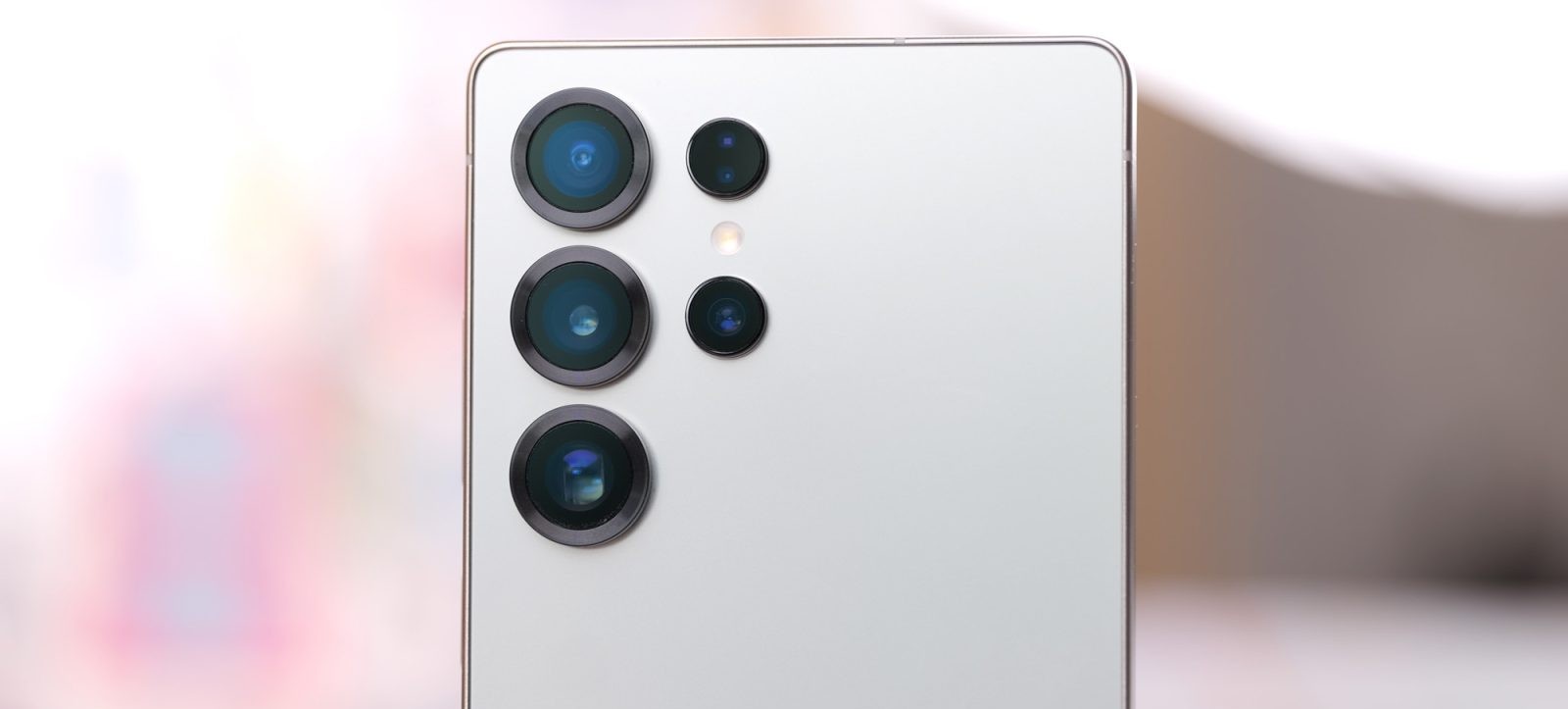
In an unexpected turn of events, Samsung’s Galaxy S25 series has experienced a significant resurgence in sales nearly a year after its initial release. Traditionally, flagship smartphone sales peak shortly after launch, driven by early adopters and promotional offers, before gradually declining as newer models approach. However, the Galaxy S25 series has defied this trend, maintaining robust sales figures well into its product cycle.
Sustained Sales Performance
According to data from Counterpoint Research and Hana Financial Investment, the Galaxy S25 series’ monthly sales in November 2025 nearly matched those from its launch month in February 2025. This pattern is atypical for flagship devices, which usually see a sharp decline in sales after the initial surge. The Galaxy S25, Galaxy S25+, and Galaxy S25 Ultra were introduced in February 2025, making this sustained interest particularly noteworthy.
Initial Success and Continued Momentum
The Galaxy S25 series debuted with impressive sales figures, selling 9.16 million units within the first two months. The Galaxy S25 Ultra led the lineup with 5.08 million units sold, followed by the base Galaxy S25 at 2.41 million units, and the Galaxy S25+ at 1.67 million units. This strong start set the stage for continued success throughout the year.
By the end of June 2025, the series had achieved cumulative sales of 20.22 million units, marking a 12.2% increase over the Galaxy S24 series during the same period the previous year. The Galaxy S25 Ultra remained the top seller, with 9.64 million units sold, underscoring its popularity among consumers.
Factors Contributing to Sustained Sales
Several factors have contributed to the Galaxy S25 series’ prolonged success:
1. Strategic Pricing and Promotions: Samsung implemented aggressive pricing strategies and promotional offers, including substantial trade-in deals and cash discounts, particularly during the November 2025 period. These initiatives made the Galaxy S25 series an attractive option for consumers seeking high-quality devices at competitive prices.
2. Advanced Features and Performance: The Galaxy S25 series introduced significant enhancements over its predecessors, such as the integration of the Snapdragon 8 Elite For Galaxy variant, which offers higher peak frequencies compared to standard versions. This performance boost, coupled with AI-driven features, resonated with tech-savvy consumers.
3. Market Dynamics: The competitive landscape, including the launch of rival devices like the iPhone 17, may have influenced consumer decisions, prompting some to opt for the Galaxy S25 series due to its compelling feature set and value proposition.
Global Impact and Future Outlook
The Galaxy S25 series’ success has had a significant impact on Samsung’s global market position. In South Korea alone, the series sold 3 million units within six months, achieving this milestone two months faster than the Galaxy S24 series. This rapid adoption underscores the strong demand for Samsung’s flagship devices in its home market.
Looking ahead, Samsung’s ability to sustain and build upon this momentum will be crucial. The company’s focus on innovation, customer-centric promotions, and responsiveness to market trends will likely play pivotal roles in maintaining its competitive edge.
Conclusion
The Galaxy S25 series’ unexpected sales resurgence months after its launch highlights the effectiveness of Samsung’s strategic initiatives and the enduring appeal of its flagship devices. This phenomenon challenges conventional sales patterns and sets a new benchmark for the lifecycle performance of premium smartphones.