Samsung and Google Pixel’s Silicone Case Dilemma: A Persistent User Frustration
In the ever-evolving world of smartphones, protective cases have become an essential accessory for users aiming to safeguard their devices. Among the myriad of options available, first-party cases from manufacturers like Samsung and Google are often favored for their precise fit and aesthetic harmony with the devices they encase. However, a recurring issue with these official silicone cases has been a source of frustration for many users: their excessive grip.
The Grip Issue: A Common Complaint
Silicone, known for its soft texture and shock-absorbing properties, is a popular material for phone cases. Its inherent tackiness provides a secure hold, reducing the likelihood of accidental drops. However, this same attribute can become a double-edged sword. Users have reported that the grippy nature of Samsung’s and Google’s silicone cases makes it challenging to slide phones in and out of pockets smoothly. The friction caused by the material can lead to pockets being pulled inside out or even causing discomfort when retrieving the device.
Samsung’s Galaxy S26 Ultra Case: A Case in Point
Recent experiences with Samsung’s Galaxy S26 Ultra’s official silicone case highlight this issue. While the case offers a comfortable grip when held, its stickiness becomes problematic during daily use. The difficulty in pocketing and retrieving the device has led to user dissatisfaction, questioning the practicality of such a design choice.
Google’s Pixel Series: A Recurring Theme
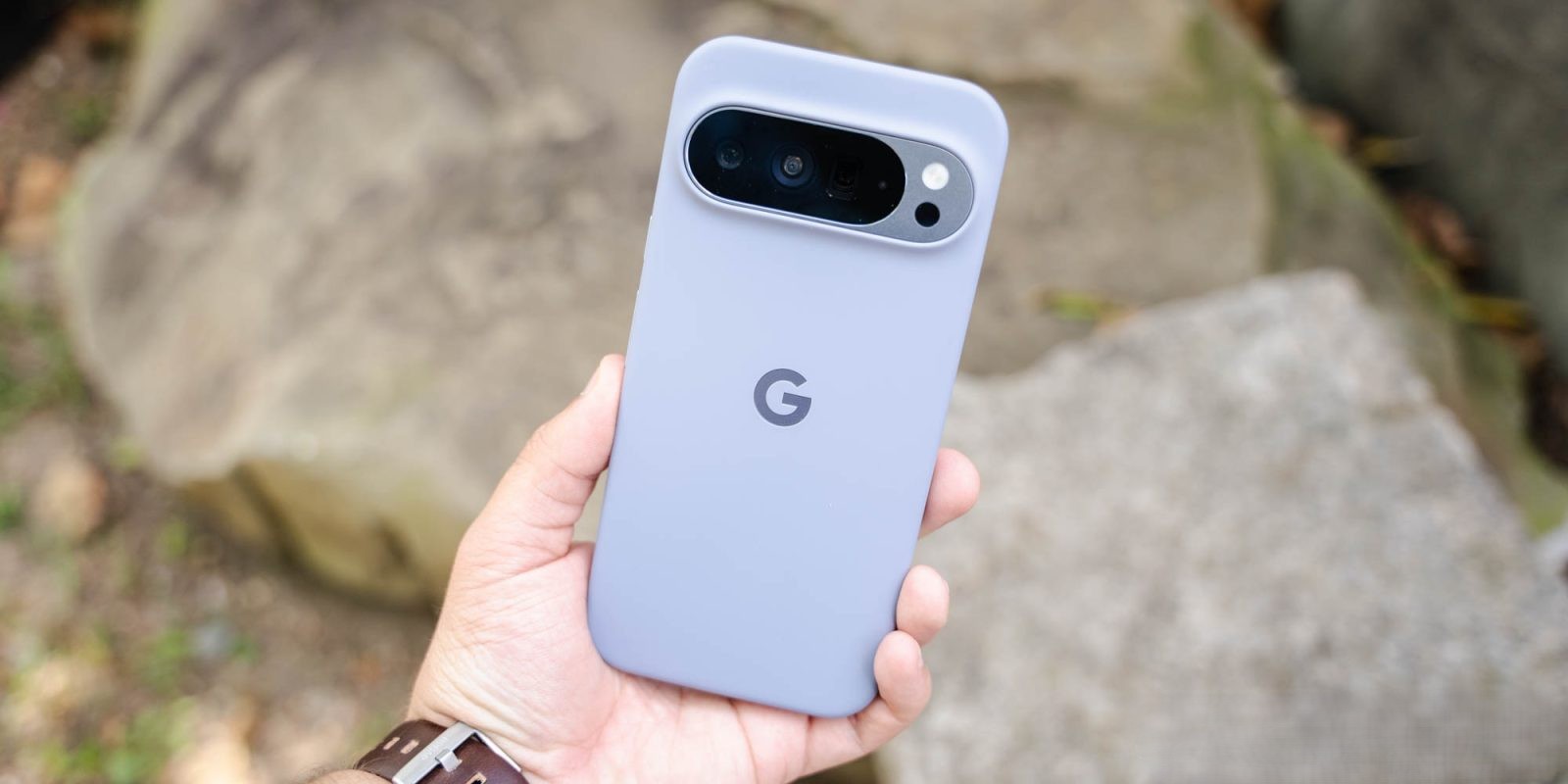
Google’s Pixel series has not been immune to this problem. The Pixel 10 Pro’s official Jade silicone case, for instance, has received similar feedback. Users appreciate the color-matching aesthetics but find the grippy texture inconvenient, leading some to opt for alternative cases that balance grip and ease of use.
The Balance Between Grip and Usability
The primary purpose of a phone case is to protect the device from physical damage. A grippy case can prevent slips, but when the grip impedes daily functionality, it defeats its purpose. Manufacturers need to strike a balance between providing sufficient grip to prevent drops and ensuring the device can be easily accessed and stored.
User Feedback: A Call for Change
The tech community has been vocal about this issue. Forums and social media platforms are rife with discussions about the impracticality of overly grippy silicone cases. Users have suggested that manufacturers consider alternative materials or modify the silicone’s texture to reduce friction without compromising on protection.
Alternative Solutions: Exploring Other Materials
Some users have turned to third-party cases made from materials like TPU (thermoplastic polyurethane) or hybrid designs that combine hard plastic with softer materials. These alternatives often provide a balance between grip and ease of use, addressing the shortcomings of the official silicone cases.
Manufacturer Response: Room for Improvement
While Samsung and Google have acknowledged user feedback in various forums, tangible changes in their case designs have been minimal. The persistence of this issue across multiple device generations suggests a need for these tech giants to reevaluate their accessory designs in line with user experiences.
Conclusion: A Call for User-Centric Design
As smartphones continue to be integral to daily life, the accessories that accompany them should enhance, not hinder, user experience. Samsung and Google have the opportunity to lead by example, demonstrating that they value user feedback by refining their case designs to address these longstanding concerns.