Sam Altman Steps Down from Helion Board Amid Potential OpenAI Fusion Energy Partnership
In a strategic move that could reshape the future of energy consumption in artificial intelligence, Sam Altman, CEO of OpenAI, has resigned from his position as board chair of Helion Energy, a leading fusion energy startup he has supported for over a decade. This decision comes amid reports of preliminary discussions between OpenAI and Helion regarding a significant power purchase agreement.
According to a report by Axios, the proposed deal would secure OpenAI access to 12.5% of Helion’s energy output, translating to five gigawatts by 2030 and an ambitious 50 gigawatts by 2035. This agreement mirrors a similar contract Helion established with Microsoft in 2023, aiming to supply fusion-generated power starting in 2028.
If these projections hold, Helion anticipates a rapid expansion of its fusion power capabilities. Given that each Helion reactor is designed to produce 50 megawatts of electricity, achieving the 2030 target would necessitate the deployment of approximately 800 reactors, with an additional 7,200 reactors required to meet the 2035 goal.
While Helion has not officially confirmed the ongoing negotiations with OpenAI, the company acknowledged Altman’s departure from the board. David Kirtley, Helion’s co-founder and CEO, stated, Sam is stepping down from Helion’s Board of Directors after more than a decade. This decision enables Helion and OpenAI to partner on future opportunities to bring zero-carbon, safe electricity to the world. We look forward to continuing to work with him in this new capacity.
Helion is at the forefront of the race to develop commercial-scale fusion reactors, aiming to have its first operational by 2028. Success in this endeavor would position Helion ahead of competitors, many of whom are targeting the early 2030s for similar achievements.
In 2025, Helion secured $425 million in a Series F funding round, elevating its valuation to $5.245 billion. This round attracted investments from notable entities, including Altman, Mithril Capital, Lightspeed Venture Partners, and SoftBank.
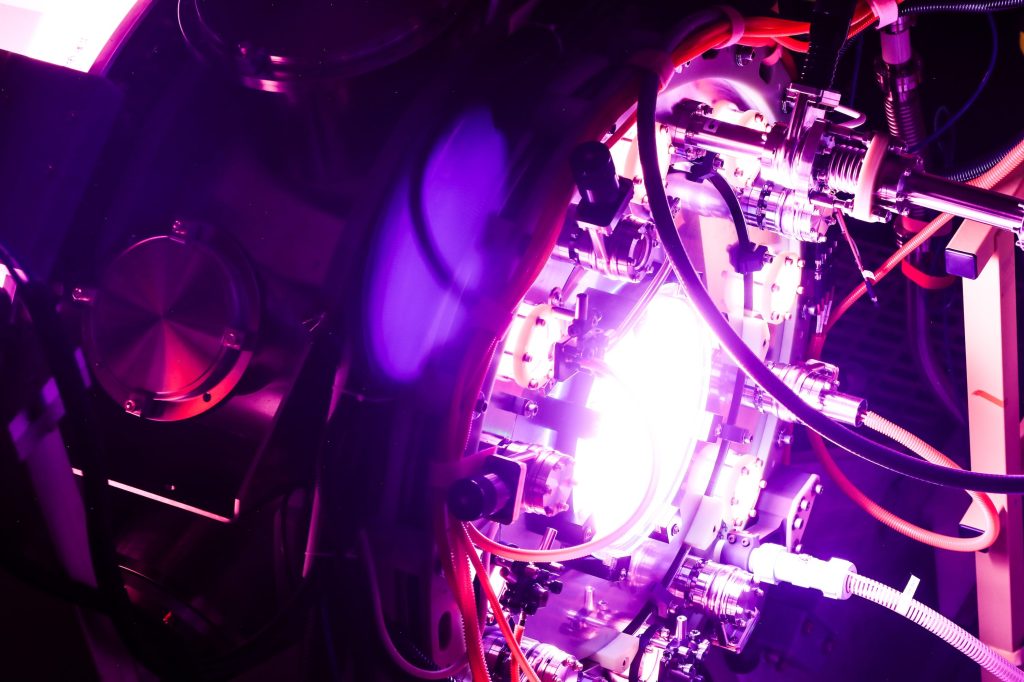
Unlike traditional fusion approaches that rely on converting heat into electricity via steam turbines, Helion employs a unique method. Their reactor design utilizes magnetic fields to directly convert fusion energy into electrical power. Within the reactor, fusion fuel is transformed into plasma at both ends and propelled toward the center using magnetic fields. Upon collision, another set of magnets compresses the merged plasma, initiating fusion. The resulting reaction generates energy that interacts with the magnets, facilitating the direct conversion of fusion energy into electricity.
This innovative approach not only enhances efficiency but also reduces the complexity and potential risks associated with traditional fusion energy systems.
The potential partnership between OpenAI and Helion underscores a growing trend of technology companies investing in sustainable energy solutions to power their operations. As artificial intelligence applications become increasingly energy-intensive, securing reliable and eco-friendly power sources is paramount.
Altman’s dual involvement in both OpenAI and Helion highlights a strategic alignment between advancing AI technologies and developing sustainable energy solutions. By stepping down from Helion’s board, Altman aims to facilitate a partnership that could set a precedent for how tech companies approach energy consumption in the future.
As these discussions progress, the tech and energy sectors will be closely monitoring the outcomes, recognizing the potential for this collaboration to drive significant advancements in both artificial intelligence and fusion energy.