Russian Hackers Exploit Signal to Target High-Profile Individuals
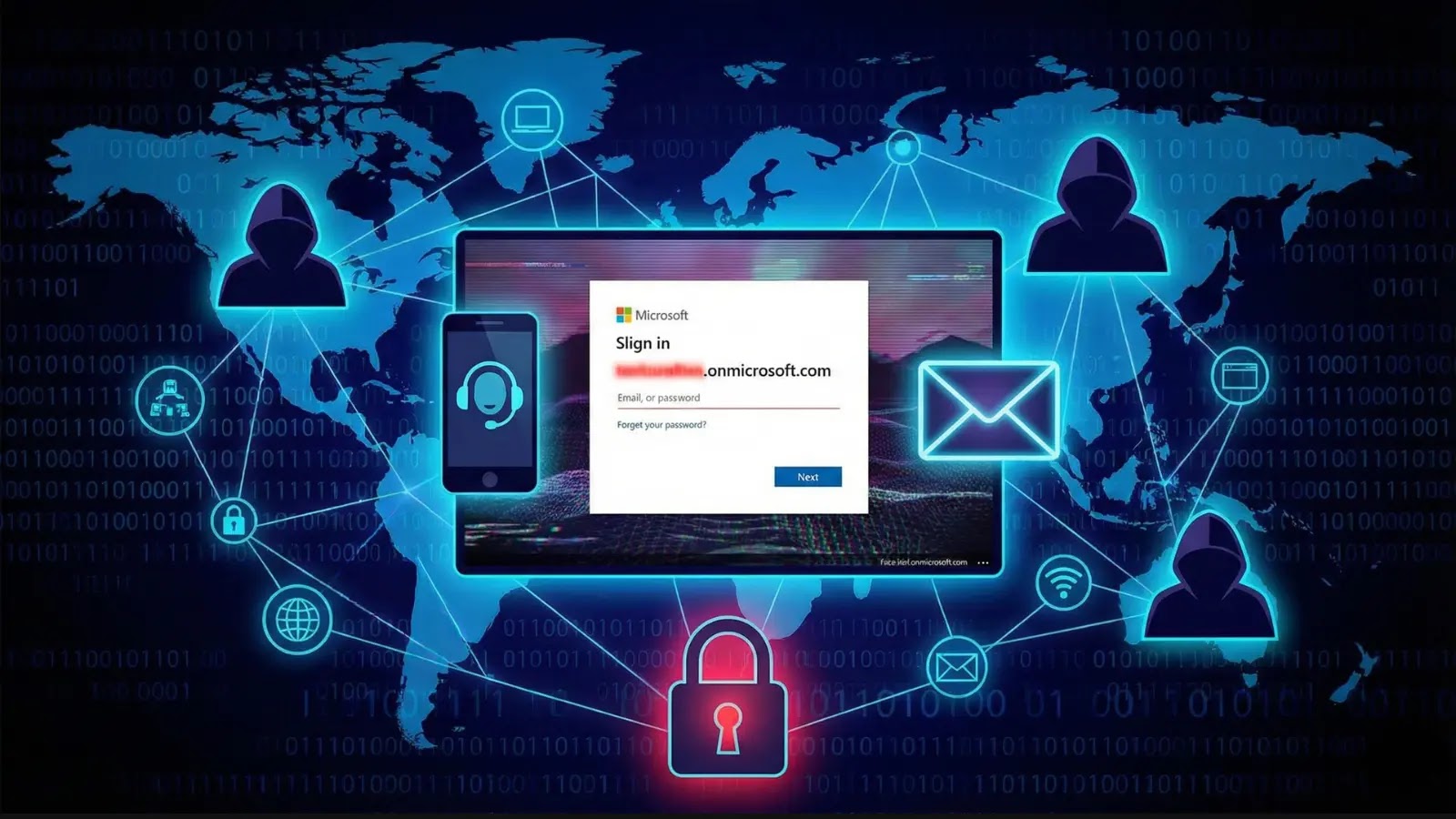
The Federal Bureau of Investigation (FBI) and the Cybersecurity and Infrastructure Security Agency (CISA) have jointly issued a cybersecurity advisory highlighting a sophisticated phishing campaign orchestrated by Russian intelligence services. This operation specifically targets users of encrypted messaging applications, with a primary focus on Signal. The attackers circumvent the platform’s robust end-to-end encryption by hijacking user accounts through deceptive social engineering tactics, rather than compromising the underlying cryptographic protocols.
Targeted Individuals
This cyber espionage campaign is meticulously designed to compromise individuals who possess high intelligence value. The threat actors are specifically targeting current and former United States government officials, military personnel, influential political figures, and prominent journalists. According to intelligence agencies, the operation has already resulted in the unauthorized access of thousands of accounts on a global scale.
Attack Methodology
Given that Signal’s core encryption remains secure, the hackers rely entirely on deceptive social engineering techniques to trick victims into surrendering control of their profiles. The attackers initiate contact by sending in-app messages that impersonate official automated support channels. These fraudulent profiles often use authoritative names such as Signal Security Support ChatBot or Signal Security Team to appear legitimate.
To manipulate the victims, the messages artificially manufacture a sense of urgency. They falsely claim that the user’s account has experienced a data leak or that suspicious login attempts were detected from foreign locations and unrecognized devices. The messages then instruct the target to complete a mandatory verification procedure to secure their account by handing over their SMS verification code or scanning a malicious QR code.
When a victim inadvertently shares their verification code, the attackers exploit the application’s linked device feature. This allows the hackers to tether their own hardware to the compromised account without raising immediate alarms. Once inside, the threat actors gain the ability to silently monitor private conversations, read historical messages, and infiltrate private group chats. Furthermore, they can harvest contact lists and impersonate the victim to launch secondary phishing campaigns against trusted colleagues.
Recommended Mitigations
To defend against these sophisticated account takeover attempts, the FBI and CISA urge users to implement strict security hygiene and vigilance:
– Protect your accounts: Never share verification codes or personal PINs with anyone, as legitimate support staff will never request authentication codes through direct messages.
– Exercise caution: Treat unexpected security alerts with extreme caution, and never scan unsolicited QR codes or click unverified links sent by unknown contacts.
– Monitor linked devices: Frequently audit the linked devices menu within the application settings to immediately spot and disconnect any unauthorized hardware.
– Enable disappearing messages: Turn on the disappearing messages feature to automatically purge highly sensitive conversations after a specified time limit, minimizing the data available if an account is compromised.
By adhering to these guidelines, users can significantly reduce the risk of falling victim to such sophisticated phishing campaigns and protect their sensitive communications from unauthorized access.