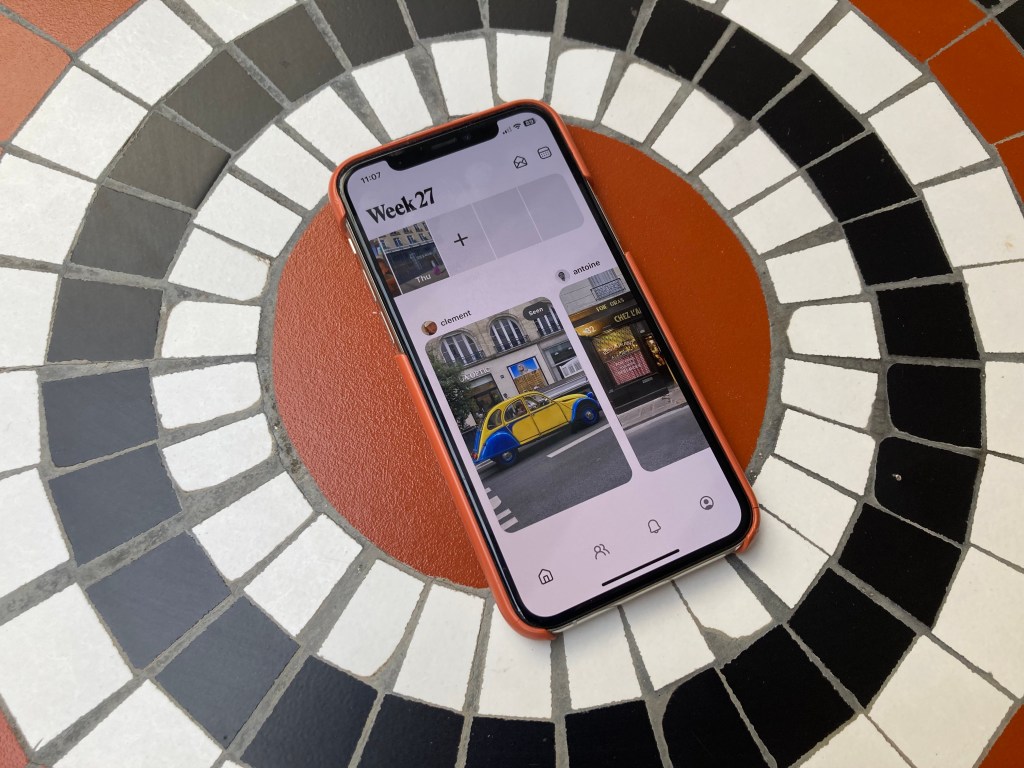
Retro’s ‘Rewind’ Feature: A Nostalgic Journey Through Your Photo Memories
In an era where digital content is abundant, the challenge isn’t just capturing moments but also revisiting and cherishing them. Retro, a photo-sharing application designed for close-knit groups, has introduced a feature called Rewind to address this very need. This addition allows users to delve into their personal photo archives, offering a unique way to relive past experiences.
Understanding Retro’s Core Functionality
Retro stands out in the crowded photo-sharing app market by emphasizing genuine connections over broad social networking. Unlike platforms that prioritize public sharing and follower counts, Retro focuses on intimate sharing among friends. Users can curate and share photos and videos from their camera rolls, creating a weekly visual diary accessible only to their chosen circle. This approach fosters a more personal and meaningful interaction, free from the pressures of public validation.
The Genesis of ‘Rewind’
The inspiration for Rewind stemmed from an existing feature within Retro. Previously, users could view photos from the same week in the previous year, offering a glimpse into past moments. However, this feature had limitations, especially for newer users who hadn’t accumulated a year’s worth of content on the app. Recognizing this gap, Retro’s co-founder, Nathan Sharp, who has a background with Meta working on products like Instagram Stories and Facebook Dating, sought to create a more inclusive and expansive way for users to engage with their photo histories.
How ‘Rewind’ Enhances User Experience
Rewind is designed to be intuitive and engaging. Users can access it through a dedicated tab in the app’s navigation bar or at the end of their friends’ shared photos row. Upon activation, the feature presents a tactile experience: as users scroll, they receive haptic feedback, simulating the sensation of flipping through a physical photo album. This design choice not only adds a nostalgic touch but also makes the process of revisiting memories more immersive.
The feature offers several functionalities:
– Selective Sharing: While Rewind is primarily a private experience, users have the option to share specific photos with friends, complete with timestamps to provide context.
– Customization: Users can hide certain photos they prefer not to revisit, such as those associated with past relationships or less favorable memories.
– Randomized Exploration: A dice icon allows users to jump to random memories, adding an element of surprise and serendipity to the experience.
Addressing the Modern Photo Dilemma
In today’s digital age, individuals capture more photos than ever before. However, many of these images remain buried in camera rolls, seldom revisited. Rewind seeks to counteract this trend by encouraging users to engage with their past, transforming forgotten snapshots into cherished memories. This initiative also serves as a subtle critique of the current digital landscape, where algorithm-driven content often overshadows personal connections.
Comparative Landscape
The concept of revisiting past photos isn’t entirely new. Platforms like Facebook introduced On This Day features, and services like Google Photos and Apple Photos offer memory recaps. However, Retro differentiates itself by focusing solely on close friend groups, ensuring that the shared content remains personal and meaningful. This focus on intimacy sets it apart from broader social networks that often prioritize public sharing and wide-reaching engagement.
Potential Impact on User Engagement
Prior to the introduction of Rewind, Retro boasted a daily engagement rate of approximately 45.7%. With this new feature, there’s potential for increased user interaction, as it offers a compelling reason for individuals to return to the app regularly. By providing a platform that values personal memories and genuine connections, Retro positions itself as a sanctuary from the often impersonal nature of mainstream social media.
Conclusion
Retro’s Rewind feature is more than just a tool for nostalgia; it’s a testament to the app’s commitment to fostering genuine connections through shared memories. In a digital world saturated with fleeting content and algorithm-driven feeds, Retro offers a refreshing alternative that prioritizes personal experiences and meaningful interactions.